
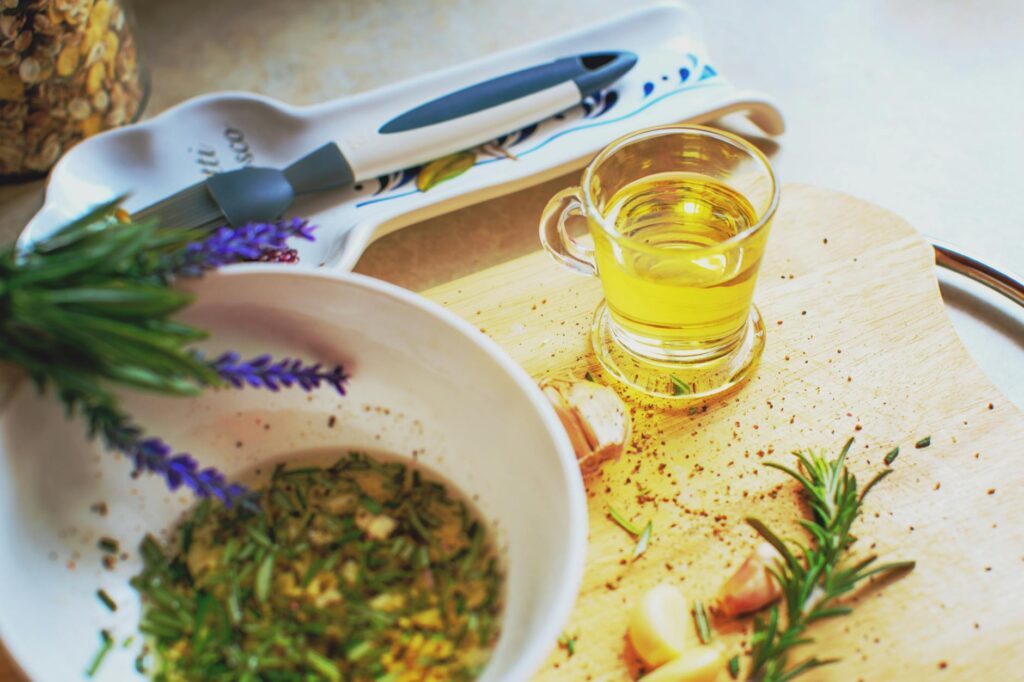
Olive Oil Growing Guide Part 7
Introduction
Olive oil has long been revered not only for its culinary benefits but also for its rich history and cultural significance. This guide delves into the intricate process of growing olives, from the selection of suitable varieties to harvesting and processing. Understanding these aspects is essential for anyone interested in producing high-quality olive oil, whether for personal use or commercial purposes.
What Is Growing?
Growing refers to the cultivation practices involved in nurturing olive trees to produce olives suitable for oil extraction. This process encompasses various elements, including selection of the right variety, soil preparation, planting, irrigation, pest management, and harvesting techniques. Each of these components plays a critical role in the quality and yield of olives, which ultimately affects the quality of the oil produced.
History and Origins
The cultivation of olives dates back thousands of years, with evidence suggesting that olive trees were first domesticated in the Eastern Mediterranean region, particularly in modern-day Turkey and Greece. The olive tree (Olea europaea) has been a staple in Mediterranean agriculture and culture, symbolizing peace and prosperity.
Historically, olive oil has served more than just culinary purposes; it has been used in religious ceremonies, as fuel for lamps, and in traditional medicine. The production methods have evolved over centuries, moving from traditional pressing techniques to modern extraction methods, yet the essence of olive oil remains deeply rooted in history.
Production and Processing
Selecting the Right Variety
Choosing the appropriate olive variety is crucial for successful oil production. Popular varieties include:
- Arbequina: Known for its fruity flavor and low acidity.
- Koroneiki: Esteemed for its robust and peppery profile.
- Manzanilla: Often used for its mild and nutty character.
- Hand Harvesting: Often used for high-quality production, allowing for selective picking.
- Mechanical Harvesting: Efficient for large-scale operations, though it may lead to more bruised fruit.
- Extra Virgin Olive Oil (EVOO): The highest quality, with less than 0.8% acidity and no defects in flavor.
- Virgin Olive Oil: Slightly higher acidity (up to 2%) and may have minor defects.
- Refined Olive Oil: Made from lower-grade oils, often treated to neutralize defects, resulting in a milder flavor.
- Origin: Oils from specific regions, like Tuscany or Andalusia, often indicate traditional methods and high quality.
- Harvest Date: Fresher oils generally have better flavor profiles. Look for bottles with a harvest date rather than a “best by” date.
- Packaging: Dark glass bottles or tins protect the oil from light, preserving its quality.
- Certification: Look for certifications such as PDO (Protected Designation of Origin) or PGI (Protected Geographical Indication), which often indicate superior quality.
- Cooking: Ideal for sautéing, roasting, and grilling due to its high smoke point.
- Dressing: A fundamental component in vinaigrettes and marinades.
- Finishing: Drizzling over dishes for enhanced flavor and aroma.
- Cosmetic Use: Olive oil is also used in skincare products due to its moisturizing properties.
- All Olive Oil is the Same: The quality and flavor can vary significantly based on the olive variety, region, and production methods.
- High Acidity Equals Poor Quality: While lower acidity is generally better, some oils with higher acidity can still be flavorful and of good quality.
- Olive
Each variety has unique flavor profiles, oil content, and growth requirements. Understanding these differences is essential for growers aiming to produce specific types of olive oil.
Planting and Cultivation
Olive trees thrive in well-drained soil, ideally with a pH of 6 to 8. Before planting, it is essential to prepare the soil by removing weeds and debris. The trees should be spaced adequately to ensure proper air circulation and sunlight exposure. Typically, olive trees are planted in the spring or fall, depending on the local climate.
Irrigation and Fertilization
While olive trees are drought-resistant, consistent watering is crucial during the early years of growth. Drip irrigation is often recommended for efficient water usage. Fertilizers rich in nitrogen, phosphorus, and potassium can enhance growth, particularly in poor soil conditions.
Pest and Disease Management
Common pests include the olive fruit fly and scale insects, which can significantly impact yield. Integrated pest management (IPM) strategies, combining biological control, cultural practices, and limited pesticide use, are effective in maintaining healthy trees.
Harvesting Techniques
Harvesting olives typically occurs from late summer to early winter, depending on the variety and desired oil characteristics. Methods include:
The timing of harvest is crucial, as olives picked at their peak ripeness yield the best oil.
Quality and Grading
The quality of olive oil is determined by various factors, including the method of extraction, the freshness of the olives, and the storage conditions. Olive oil is graded into several categories based on acidity and sensory characteristics:
Understanding these classifications helps consumers select oils that meet their culinary needs.
Buying Considerations
When purchasing olive oil, consider the following factors to ensure you’re getting a quality product:
Uses and Applications
Olive oil’s versatility makes it a staple in various culinary applications. It can be used for:
Storage and Shelf Life
Proper storage is crucial for maintaining olive oil’s quality. The oil should be stored in a cool, dark place, away from heat and light. Ideally, it should be kept in a sealed container, as exposure to air can lead to oxidation. When stored properly, high-quality olive oil can last up to 18-24 months. Regularly checking for off-flavors or rancidity is advisable, especially for oils that have been opened.
Common Misconceptions
Several misconceptions surround olive oil that can mislead consumers: