
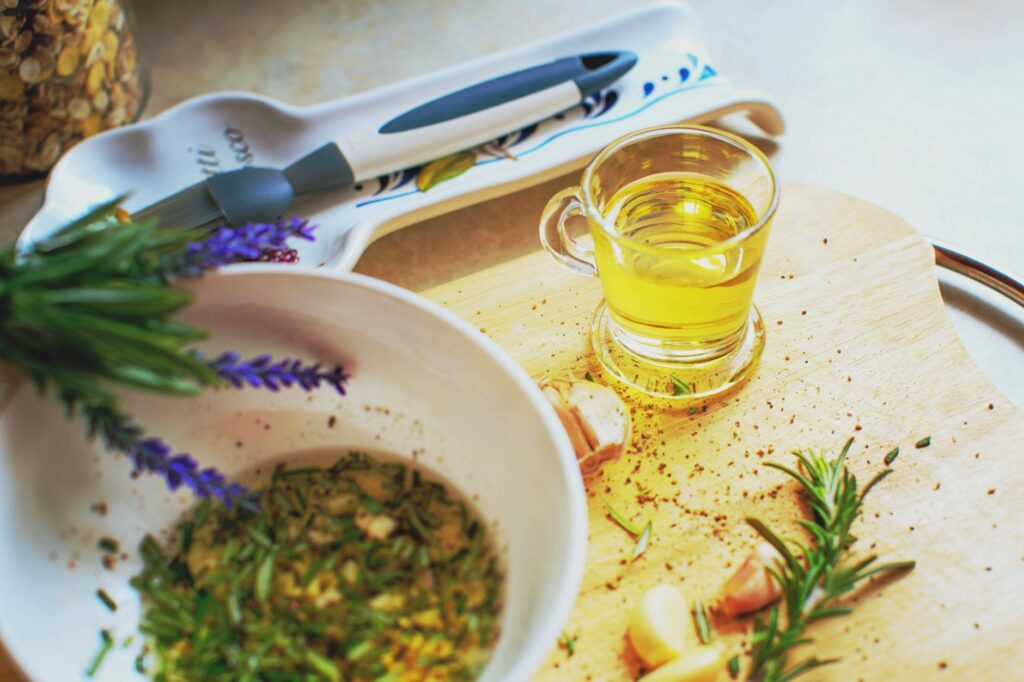
Olive Oil Regions Guide Part 7
Introduction
Olive oil, a staple of Mediterranean cuisine, has garnered global acclaim not only for its rich flavor but also for its versatility and health benefits. However, the quality and characteristics of olive oil can vary significantly depending on the region from which it originates. This guide delves into the various regions known for their olive oil production, exploring their unique attributes and the intricacies of their oils.
What Is Regions?
In the context of olive oil, “regions” refer to specific geographical areas where olives are cultivated and processed into oil. Each region’s unique climate, soil composition, and traditional practices contribute to the distinct flavors, aromas, and qualities of the olive oil produced there. Understanding these regions is essential for consumers seeking high-quality products that reflect the heritage and terroir of their origins.
History and Origins
The history of olive oil dates back thousands of years, with archaeological evidence suggesting its use in ancient civilizations such as the Minoans, Egyptians, and Greeks. The olive tree (Olea europaea) is believed to have originated in the Eastern Mediterranean, particularly in the regions of modern-day Syria and Palestine. Over centuries, olive cultivation spread across the Mediterranean basin, with each region developing its own techniques and varieties.
The cultural significance of olive oil is profound; it has been used not only as a food source but also in religious rituals, beauty treatments, and as a symbol of peace and prosperity. The evolution of olive oil production has been influenced by historical events, trade routes, and the globalization of culinary practices, leading to a diverse landscape of flavors and styles.
Production and Processing
Olive oil production begins with the harvesting of olives, which can be done by hand or mechanically. The timing of the harvest is critical, as it affects the oil’s flavor profile and quality. Olives are typically harvested in the late fall to early winter when they reach optimal ripeness.
Once harvested, olives are taken to the mill for processing. The primary steps in olive oil production include:
1. Cleaning: Olives are washed to remove dirt and debris.
2. Crushing: The olives are crushed into a paste using traditional stone mills or modern hammer mills.
3. Malaxation: The paste is mixed gently to allow oil droplets to coalesce.
4. Extraction: The oil is separated from the solids and water. This can be done using traditional pressing methods or more modern centrifugation techniques.
5. Filtration: The oil is filtered to remove any remaining solids, improving clarity and shelf life.
The production methods vary widely among regions, with some areas adhering to age-old traditional techniques, while others adopt modern technology to enhance efficiency and quality.
Quality and Grading
The quality of olive oil is determined by several factors, including the type of olives used, the production method, and the region of origin. There are different grades of olive oil, with the highest quality being Extra Virgin Olive Oil (EVOO). To qualify as EVOO, the oil must meet strict chemical and sensory standards, including low acidity and superior taste.
Key grading distinctions include:
- Extra Virgin Olive Oil: The highest quality, cold-pressed, with no more than 0.8% acidity.
- Virgin Olive Oil: Also cold-pressed but with slightly higher acidity (up to 2%).
- Refined Olive Oil: Treated to neutralize strong flavors and acidity, suitable for cooking but lacking the health benefits of virgin oils.
- Olive Pomace Oil: Made from the byproduct of olive oil production, often blended with virgin oil.
- Cooking: While extra virgin olive oil is ideal for drizzling and dressing, it can also be used for sautéing and baking, although its smoke point is lower than some refined oils.
- Finishing: A drizzle of high-quality olive oil can elevate dishes like grilled vegetables, salads, and soups.
- Marinades and Dressings: Olive oil serves as an excellent base for marinades and vinaigrettes, providing flavor and richness.
- Dipping: It is often enjoyed as a dipping oil for bread, sometimes flavored with herbs or spices.
- Temperature: Store olive oil in a cool, dark place, ideally between 15°C to 20°C (59°F to 68°F).
- Light and Air: Keep olive oil away from direct sunlight and exposure to
Quality certifications, such as PDO (Protected Designation of Origin) and PGI (Protected Geographical Indication), serve to protect the authenticity of oils from specific regions, ensuring that consumers receive products that reflect their geographical heritage.
Buying Considerations
When purchasing olive oil, it’s essential to consider several factors to ensure you select a high-quality product:
1. Origin: Look for oils labeled with their region of origin, as this often indicates quality and authenticity.
2. Harvest Date: Freshness is critical; olive oil is best consumed within 18 months of harvest.
3. Packaging: Dark glass bottles or tins protect oil from light and air, preserving its quality.
4. Taste Profile: Be aware of the flavor notes associated with different regions; for instance, oils from Greece tend to be fruity and peppery, while those from Italy may offer more herbal and grassy notes.
5. Certifications: Look for PDO or PGI labels to ensure the oil’s quality and origin.
Uses and Applications
Olive oil’s versatility makes it a favorite in various culinary applications. It can be used for:
Beyond culinary uses, olive oil is also employed in cosmetics and skincare products due to its moisturizing properties, and it plays a role in traditional medicinal practices across cultures.
Storage and Shelf Life
To maintain the quality of olive oil, proper storage is crucial. Here are some guidelines: