
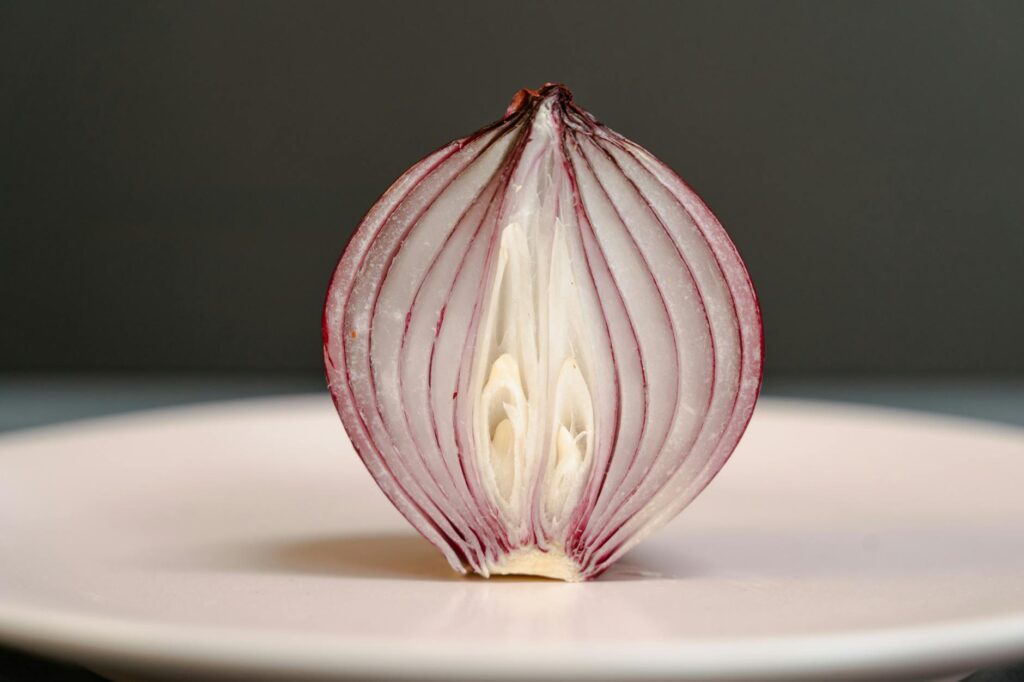
Onion About Guide Part 6
Introduction
Onions are among the most widely cultivated and consumed vegetables globally, cherished for their unique flavor, versatility, and culinary significance. They belong to the Allium family, which also includes garlic, leeks, and shallots. This guide offers a comprehensive overview of onions, covering their history, production, quality grading, and more, aimed at both culinary professionals and food enthusiasts.
What Is About?
The term “about” in the context of food ingredients refers to a broad examination of the ingredient’s characteristics, history, and applications. In this guide, we delve into various facets of onions, providing insights into their significance in global cuisines and their role in culinary art. This includes understanding different varieties, their cultural meanings, and practical information for storage and selection.
History and Origins
Onions have a rich history that dates back thousands of years. Archaeological evidence suggests that they were cultivated as early as 5000 B.C. in Central Asia, particularly in regions that are now part of Iran and Pakistan. Ancient Egyptians revered onions, often associating them with eternity due to their circular shape and layers. They were used in religious ceremonies and laid in tombs to accompany the deceased.
The spread of onions across the globe began with trade routes; they were introduced to Europe via the Mediterranean. By the Middle Ages, onions had become a staple in European diets, praised for their flavor and preserving qualities. Today, onions are grown in numerous varieties across all continents, each with unique flavors and culinary applications.
Production and Processing
Onion production is a significant agricultural activity worldwide, with China, India, and the United States leading in production volumes. The cultivation process begins with the selection of onion sets or seeds. Onions thrive in well-drained soil and require full sunlight. They typically take 90 to 120 days to mature, depending on the variety.
Once harvested, onions undergo a curing process to enhance their flavor and increase shelf life. Curing involves drying the onions in a well-ventilated area, allowing their outer skins to harden. This step is crucial for long-term storage as it helps prevent rot and decay.
In terms of processing, onions can be dehydrated, pickled, or ground into onion powder—each method preserving their flavor while extending their usability in various culinary applications.
Quality and Grading
Onions are graded based on size, shape, color, and overall appearance. The USDA has established standards for onion grading, which categorize them into U.S. No. 1, U.S. No. 2, and U.S. No. 3. U.S. No. 1 onions are of the highest quality, exhibiting firmness, uniformity, and a lack of blemishes.
Quality assessment is not limited to visual characteristics; it also considers the onion’s flavor profile, pungency, and sugar content. For instance, sweet onions, such as Vidalias and Walla Wallas, are prized for their mild flavor and higher sugar levels, while yellow onions are known for their robust, pungent taste.
Buying Considerations
When purchasing onions, consider the following factors to ensure quality and freshness:
1. Type: Familiarize yourself with different onion varieties—yellow, red, white, and sweet onions—each serving specific culinary roles.
2. Appearance: Look for firm, heavy onions with dry, papery skins. Avoid any that feel soft or have visible mold or sprouting.
3. Origin: Check for local varieties, as they may offer superior flavor and freshness. Seasonal availability often impacts taste and quality.
4. Size: Depending on the recipe, size may matter. Smaller onions are often sweeter and milder, while larger ones provide more robust flavors.
5. Storage History: If purchasing from a market or grocery store, inquire about the onions’ storage history to gauge freshness.
Uses and Applications
Onions are a cornerstone in global cuisine, utilized in countless applications across various culinary traditions. Their flavor profile ranges from pungent to sweet, making them adaptable to both raw and cooked dishes.
1. Culinary Uses: Onions are commonly used in soups, stews, salads, pickles, and as a base for sauces. Their ability to caramelize when sautéed enhances the flavor of many dishes.
2. Flavor Enhancer: Onions serve as a foundational flavor in many cuisines, including French (onion soup), Indian (curries), and Mexican (salsas).
3. Garnishes: Raw onions, especially red onions, are often used as garnishes due to their vibrant color and sharp flavor.
4. Preserved Forms: Onions can be pickled or dried for long-term use, adding a unique flavor to various dishes.
5. Cultural Significance: In some cultures, onions are used in traditional rituals or celebrations, symbolizing prosperity and health.
Storage and Shelf Life
Proper storage is essential to prolong the freshness and flavor of onions. Here are key storage guidelines:
- Whole Onions: Store in a cool, dry, and well-ventilated area, away from direct sunlight. A pantry or cellar is ideal, allowing for air circulation to prevent moisture accumulation.
- Cut Onions: Once cut, onions should be stored in an airtight container in the refrigerator and consumed within 7 to 10 days to ensure freshness and prevent spoilage.
- Sweet Onions: Due to their higher sugar and moisture content, sweet onions have a shorter shelf life. Store them similarly but consume them sooner than yellow onions.
- Freezing: While not commonly recommended for whole onions, chopped onions can be frozen for later use. Ensure they are blanched briefly before freezing to preserve flavor and texture.
Common Misconceptions
1.