
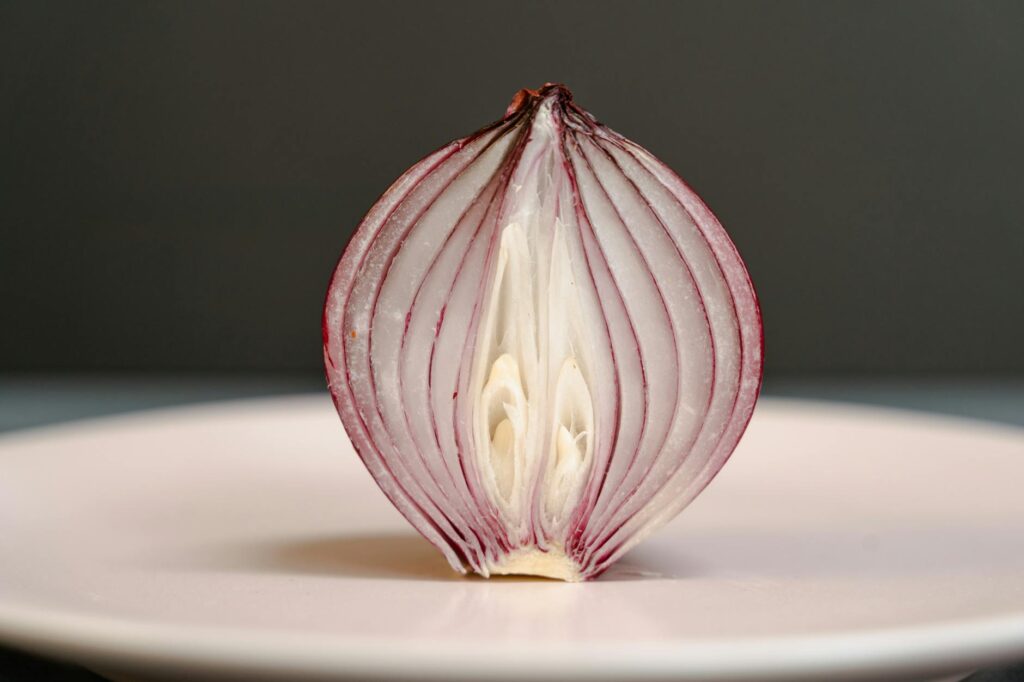
Onion Buying Guide Part 6
Introduction
Onions are one of the most versatile and widely used vegetables across global cuisines. From enhancing the flavor profile of dishes to serving as a base ingredient, their culinary significance is unparalleled. However, purchasing onions can be a nuanced task, requiring an understanding of various factors that influence their quality, flavor, and shelf life. This comprehensive buying guide aims to equip you with the knowledge necessary to select the best onions for your culinary needs.
What Is Buying?
Buying, in the context of food ingredients, refers to the process of selecting and acquiring products based on specific criteria, such as quality, freshness, price, and intended usage. This process is crucial in ensuring that the ingredients used in cooking meet the standards required for both taste and safety. In the case of onions, buying involves understanding the various types available, assessing their quality, and making informed choices based on seasonal availability and storage considerations.
History and Origins
Onions (Allium cepa) have a rich history that spans thousands of years. They are believed to have originated in Central Asia, particularly in regions that encompass modern-day Iran and Pakistan. Historical evidence suggests that onions were cultivated as early as 5000 years ago in ancient civilizations, including those of Egypt, where they were revered for their flavor and medicinal properties.
Throughout history, onions have been featured prominently in various cultural practices. In ancient Egypt, they were used in burial rituals and were even found in the tomb of Pharaoh Tutankhamun. The Greeks and Romans enjoyed onions both for their taste and as a source of sustenance for athletes. As trade routes expanded, onions spread across Europe, Asia, and eventually to the Americas, becoming an integral part of numerous culinary traditions worldwide.
Production and Processing
Onion production is a significant agricultural endeavor globally. Major producers include China, India, the United States, and Turkey, with various regions specializing in distinct onion varieties. The cultivation process involves sowing seeds or planting sets in well-drained soil that is rich in nutrients. Onions require adequate sunlight and consistent moisture for optimal growth.
Once harvested, onions undergo minimal processing. They are typically cleaned, sorted, and packaged for distribution. Some onions may be dried or processed into products such as onion powder or dehydrated flakes, extending their usability and shelf life.
Quality and Grading
Quality is a critical factor when purchasing onions. Various grading standards exist, often determined by size, color, and blemishes. In the United States, onions are graded based on USDA standards, which categorize them into different classes:
1. U.S. No. 1: These onions are of good quality, free from decay and serious damage, and exhibit uniform size and color.
2. U.S. No. 2: This grade allows for minor defects and variations in size and color but still maintains acceptable quality for culinary use.
3. U.S. Commercial: Typically used for processing, these onions may have more visible imperfections.
When selecting onions, look for firm bulbs with dry, papery skin and no signs of sprouting or decay. The outer layers should be intact, and the bulbs should feel heavy for their size.
Buying Considerations
When purchasing onions, several factors should be taken into account:
Type of Onion
There are several varieties of onions, each with unique flavor profiles and culinary applications:
- Yellow Onions: The most commonly used variety, yellow onions have a balanced, pungent flavor that sweetens when cooked. They are ideal for a wide range of dishes.
- Red Onions: Known for their vibrant color and mild flavor, red onions are often eaten raw in salads or as garnishes.
- White Onions: These onions have a sharper taste than yellow onions and are commonly used in Mexican cuisine.
- Shallots: Smaller and milder, shallots are often used in gourmet dishes for their delicate flavor.
- Green Onions: Also known as scallions, these have a milder taste and are used both raw and cooked.
- Flavor Base: Onions are often the foundational ingredient in soups, stews, and sauces.
- Garnish: Raw onions, especially red onions, add crunch and brightness to salads and sandwiches.
- Pickling: Quick-pickled onions can elevate the taste of tacos, burgers, and charcuterie boards.
- Caramelizing: Slowly cooking onions transforms their natural sugars, resulting in a rich, sweet flavor perfect for savory dishes.
- Cool, Dry Place: Store whole onions in a cool, dry, and well-ventilated area, away
Freshness
Freshness is key to flavor and shelf life. When buying onions, choose those with a firm texture and minimal blemishes. Avoid onions with soft spots, mold, or sprouting, as these indicate aging.
Seasonality
Onions are generally available year-round, but their peak season can vary by variety and region. For example, sweet onions like Vidalia are typically in season from late spring to early summer. Understanding seasonal availability can help you select the freshest onions.
Local vs. Imported
Local onions are often fresher and may have a lower environmental impact due to reduced transportation. Whenever possible, consider purchasing from local farmers’ markets or regional suppliers.
Organic vs. Conventional
Organic onions are grown without synthetic pesticides and fertilizers, while conventional onions may be treated with chemicals during cultivation. Choosing organic may be important for those concerned about pesticide exposure.
Uses and Applications
Onions serve various culinary purposes, enhancing dishes with their unique flavor and aroma. They can be eaten raw, sautéed, caramelized, roasted, or grilled. Here are some common uses:
Storage and Shelf Life
Proper storage is essential to extend the shelf life of onions. Here are some tips: