
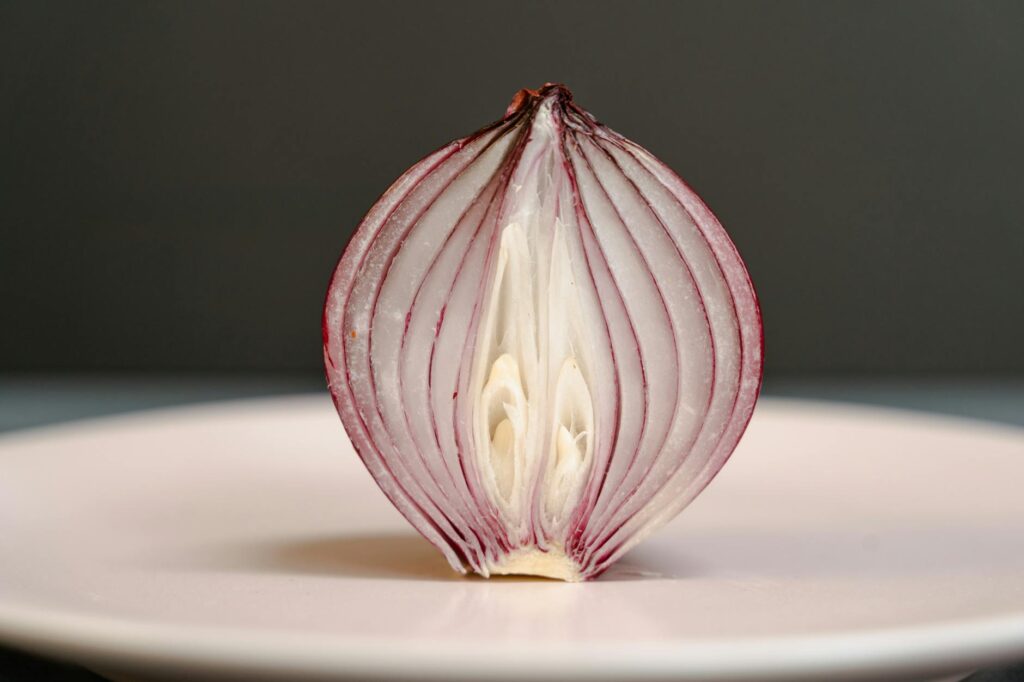
Onion Buying Guide Part 7
Introduction
Onions are a cornerstone ingredient in culinary traditions around the globe. Their versatility and flavor-enhancing properties make them indispensable in countless dishes, from soups and salads to main courses and sauces. However, understanding how to buy onions effectively can elevate your cooking experience, ensuring you select the best quality available. This guide provides an in-depth exploration of the onion buying process, encompassing everything from historical context to practical tips for storage.
What Is Buying?
Buying refers to the process of selecting and purchasing goods, in this case, onions. It encompasses various considerations, including quality, price, and supplier reliability. In the context of onions, buying also involves understanding the different types, their applications, and how to judge their freshness and suitability for specific culinary needs. A well-informed purchasing decision not only enhances the culinary outcome but also contributes to sustainability and cost-effectiveness.
History and Origins
Onions have a rich history that dates back thousands of years. Archaeological evidence suggests that onions were cultivated as early as 5000 BC in Central Asia, particularly in regions now known as Iran and Pakistan. Over time, they spread through trade routes to Egypt, where they were revered for their flavor and symbolic significance. Ancient Egyptians used onions in religious rituals, and they even placed them in the tombs of pharaohs as offerings for the afterlife.
The Greeks and Romans also valued onions highly, often incorporating them in their diets for both culinary and medicinal purposes. As the Roman Empire expanded, so did the cultivation of onions throughout Europe. By the Middle Ages, onions were a staple in the diets of common people, and they were even used as a form of currency in some regions.
Today, onions are grown worldwide, with major producers including China, India, the United States, and Turkey. They are available in various varieties, each with unique characteristics that cater to specific culinary needs.
Production and Processing
The production of onions involves several stages, from planting to harvesting and processing. Onions are typically grown from seeds, sets (small bulbs), or transplants. They thrive in well-drained soil with plenty of sunlight and require adequate moisture during the growing season.
Once harvested, the onions undergo a curing process, wherein they are dried to enhance their shelf life. This process typically involves exposing them to warm, dry air for several weeks. Cured onions develop a protective outer skin, which helps prevent moisture loss and decay.
After curing, onions may be sorted and packaged for sale, often categorized by size and type. Some onions may also undergo additional processing, such as slicing or dicing, for convenience in culinary applications.
Quality and Grading
Quality and grading are crucial factors to consider when purchasing onions. Onions are typically graded based on size, shape, and overall appearance. The United States Department of Agriculture (USDA) has established grading standards that categorize onions into various quality grades:
- U.S. No. 1: These onions are well-formed, firm, and free from decay or significant blemishes. They are the highest quality and are desirable for retail sale.
- U.S. No. 2: These onions may have minor imperfections but are still suitable for consumption. They are often sold at a lower price point.
- U.S. No. 3: These onions exhibit more significant defects and are often used for processing rather than fresh consumption.
- Yellow Onions: The most versatile type, suitable for a wide range of dishes.
- Red Onions: Known for their vibrant color and mild flavor, often used raw in salads.
- White Onions: Sharper in taste, ideal for salsas and Mexican cuisine.
- Green Onions (Scallions): Young onions harvested before the bulb forms, used for garnishing and flavoring.
- Shallots: Milder and sweeter than standard onions, perfect for dressings and sauces.
- Soups and Stews: Onions serve as a flavor base, providing depth and richness.
- Salads: Raw onions add crunch and zing, balancing other flavors.
- Sautéing: Caramelizing onions transforms their sharpness into sweetness, making them a delightful addition to many dishes.
- Garnishing: Green onions or shallots can elevate the visual appeal and flavor of finished dishes.
- Cool, Dry Place: Store whole onions in a well-ventilated area away from direct sunlight. Ideal temperatures range from 45°F to 55°F (7°C to 13°C).
- Avoid Refrigeration: Refriger
When buying onions, look for those that feel heavy for their size, have dry, papery skins, and are free from soft spots or sprouting.
Buying Considerations
When buying onions, several factors should guide your decision:
Type of Onion
Different types of onions serve different culinary purposes. Common varieties include:
Freshness
Freshness is paramount when selecting onions. Check for firmness, skin integrity, and absence of blemishes. Avoid onions with soft spots, mold, or a strong odor, as these are signs of spoilage.
Source
Consider where your onions are sourced. Locally grown onions may have better flavor and freshness than imported ones. Additionally, purchasing from reputable suppliers ensures higher quality and ethical production practices.
Organic vs. Conventional
Organic onions are grown without synthetic pesticides or fertilizers, which may appeal to health-conscious consumers. However, they are often more expensive than conventional onions. Weigh the benefits against your budget and preferences.
Uses and Applications
Onions have a myriad of uses in the culinary world. Their flavor profile can range from sweet to pungent, enhancing dishes in various cuisines. Common applications include:
Storage and Shelf Life
Proper storage is crucial for maintaining onion quality.