
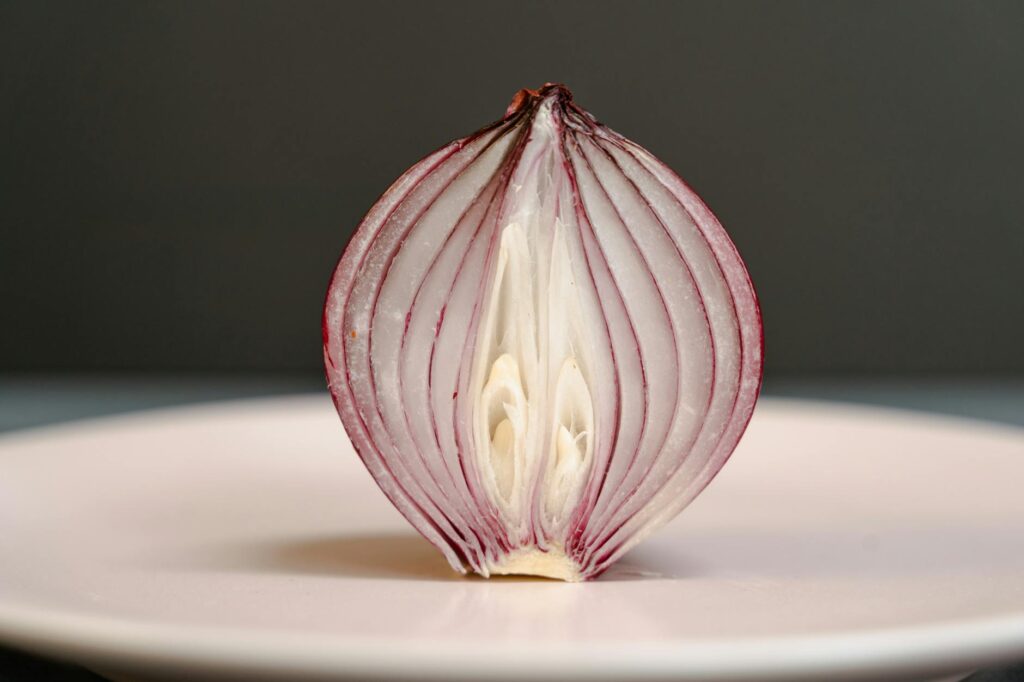
Onion Regions Guide Part 6
Introduction
Onions are one of the most versatile and widely used ingredients across cuisines worldwide. Their flavors range from sharp and pungent to sweet and mild, depending on the variety and region of cultivation. This sixth installment of our Onion Regions Guide explores the various geographical areas where onions are grown, focusing on their unique characteristics, historical origins, production methods, and culinary applications. Understanding the regional distinctions of onions can enhance not only culinary practices but also appreciation for this staple ingredient.
What Is Regions?
In the context of food ingredients, “regions” refers to specific geographical areas known for producing particular varieties of a given ingredient. Regions can significantly influence the characteristics of onions, including their flavor profile, size, color, and texture. Factors such as climate, soil composition, and local agricultural practices play vital roles in shaping the onions produced in different areas. Thus, recognizing these regions allows chefs, food enthusiasts, and consumers to make informed choices when selecting onions for their culinary needs.
History and Origins
The history of onions dates back thousands of years, with evidence of their cultivation found in ancient civilizations such as Egypt, India, and Mesopotamia. Onion cultivation is believed to have begun around 5000 B.C. in Central Asia, with wild onions being foraged by early humans. Over time, onions made their way across the globe, adapting to various climates and agricultural practices.
In ancient Egypt, onions were highly prized, symbolizing eternity and immortality. They were often placed in tombs alongside pharaohs and were a staple part of the diet. The Greeks and Romans also valued onions, using them as both food and medicine. During the Middle Ages, onions were a common food source for peasants in Europe, often considered a “poor man’s food” due to their hardiness and ease of cultivation.
Today, onions are ubiquitous in kitchens around the world, with major production regions including China, India, the United States, and several countries in Europe and South America.
Production and Processing
Onion production is a significant agricultural endeavor, with China leading the world in onion cultivation, followed closely by India and the United States. The production process varies depending on the region but generally includes the following key stages:
1. Soil Preparation: Onions thrive in well-drained, fertile soil. Farmers often prepare the soil by tilling and adding organic matter to enhance fertility.
2. Planting: Onions can be grown from seeds, sets (small bulbs), or transplants. The method chosen often depends on regional practices and climatic conditions. For example, southern regions may opt for direct sowing of seeds, while northern areas frequently use sets or transplants to avoid frost.
3. Growing Conditions: Onions require specific growing conditions, including adequate moisture and sunlight. Regions with a temperate climate, such as the Midwest in the United States, are particularly suited for onion cultivation.
4. Harvesting: Harvesting typically occurs when the tops of the onions begin to fall over, indicating that the bulbs have reached maturity. This process can vary in timing based on the region and onion variety.
5. Processing: After harvesting, onions are usually cured to improve storage life. This involves drying them in a well-ventilated area to reduce moisture content. Once cured, onions can be stored for several months.
Each region has its own unique practices and variations in onion production, influenced by climate, soil types, and local agricultural traditions.
Quality and Grading
Quality and grading standards for onions are crucial for ensuring that consumers receive high-quality products. Various factors contribute to the grading of onions, including size, shape, color, and the absence of blemishes or disease.
In the United States, onions are graded according to standards set by the U.S. Department of Agriculture (USDA). The primary grades are U.S. No. 1, U.S. No. 2, and U.S. No. 3, with U.S. No. 1 being the highest quality. Characteristics considered for grading include:
- Size: Onions are categorized by weight, typically ranging from small (about 1.5 ounces) to jumbo (over 4 ounces).
- Shape and Uniformity: Uniform size and shape are desirable, with round, firm bulbs being preferred.
- Color: Color varies by onion type, but vibrant, rich colors are often indicative of freshness and quality.
Understanding these grading standards helps consumers select the best onions for their culinary needs, ensuring they achieve the desired flavor and texture in their dishes.
Buying Considerations
When purchasing onions, several factors should be kept in mind to ensure quality and suitability for intended use.
1. Variety: Different onion varieties serve unique culinary purposes. Yellow onions are versatile and commonly used for cooking; red onions are excellent for salads and garnishes; and sweet onions, such as Vidalia or Walla Walla, are ideal for raw applications.
2. Freshness: Look for onions that are firm, with dry, papery skins. Avoid any that are soft, sprouting, or have dark spots.
3. Seasonality: The best time to purchase onions can vary by region. For instance, in the United States, the peak season for Vidalia onions is typically from late spring to early summer.
4. Source: Consider purchasing from local farmers’ markets or reputable grocery stores that source their produce responsibly. This can often ensure higher freshness and quality.
5. Organic vs. Conventional: Organic onions are grown without synthetic pesticides or fertilizers, appealing to consumers who prioritize organic produce. However, they may be more expensive than conventionally grown onions.
By taking these factors into account, consumers can make informed choices when buying onions, ultimately enhancing their culinary experiences.
Uses and Applications
Onions are a fundamental ingredient in a