
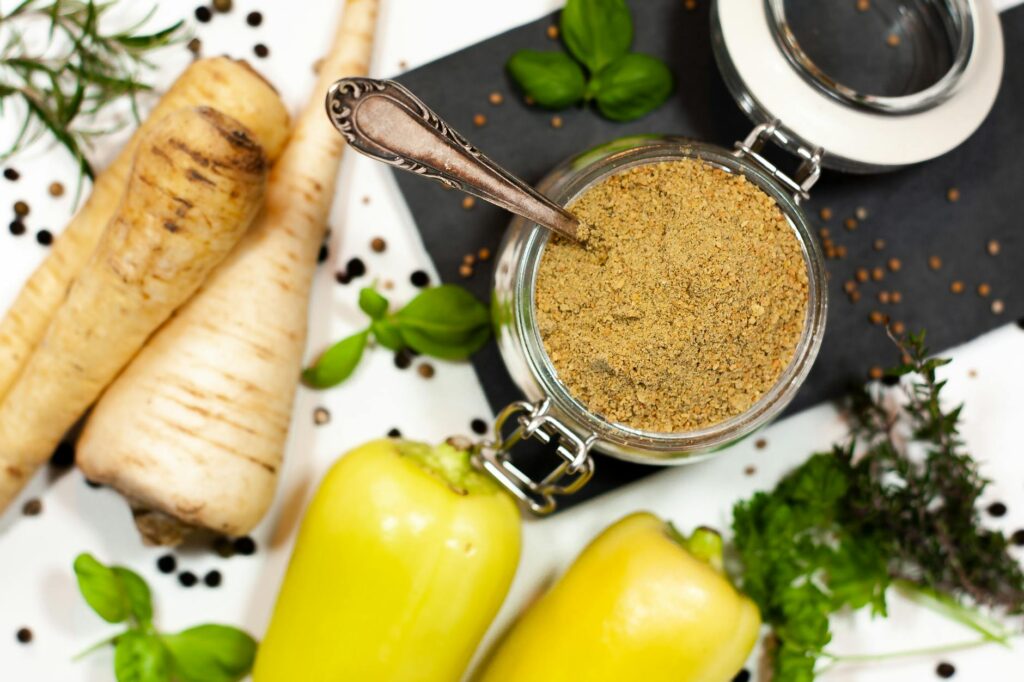
Parsnip Buying Guide Part 6
Introduction
Parsnips, a root vegetable closely related to carrots and parsley, have garnered increasing attention for their unique flavor and versatility in the kitchen. As interest in local and seasonal produce grows, understanding how to buy parsnips effectively becomes essential. This guide covers everything from their history and production to quality grading, buying considerations, and common misconceptions, equipping you with the knowledge necessary to make informed purchasing decisions.
What Is Buying?
In the context of food ingredients, “buying” refers to the process of selecting and purchasing produce based on various factors, including quality, freshness, and suitability for intended culinary applications. For parsnips, this means understanding the characteristics that differentiate high-quality roots from inferior ones, as well as their seasonal availability and potential uses in various cuisines.
History and Origins
Parsnips (Pastinaca sativa) have a rich history that dates back to ancient times. Native to Eurasia, they were cultivated by the Romans and later spread throughout Europe. Before the introduction of the potato, parsnips were a staple food in many regions, particularly in Britain and Northern Europe. Their sweet flavor profile, enhanced by frost exposure, has made them a beloved ingredient in various traditional dishes. Today, parsnips are grown in many parts of the world, particularly in temperate climates, where they thrive in well-drained, fertile soil.
Production and Processing
Parsnips are typically grown in cooler climates, as the cold enhances their sweetness. They are usually sown in spring and harvested in late autumn or early winter, after the first frost has hit. The roots can grow quite large, often reaching lengths of 12 inches or more, and are usually pale yellow to cream in color.
Once harvested, parsnips can be stored in cool, dark environments to maintain their quality. They are often sold fresh in markets but can also be found pre-packaged or processed into purees or sauces. The processing of parsnips, such as blanching or freezing, helps preserve their flavor and nutritional value, making them available year-round.
Quality and Grading
When buying parsnips, it is essential to consider quality and grading. The following factors can help determine the best choice:
1. Appearance: High-quality parsnips should be smooth, firm, and free of blemishes or soft spots. Look for roots that are well-shaped and not excessively twisted or forked.
2. Size: While parsnips can vary in size, medium-sized roots (approximately 6 to 8 inches long) are generally more tender and flavorful than larger ones. Very large parsnips may become woody and less palatable.
3. Color: The skin should exhibit a pale, creamy color. Any discoloration or dark patches may indicate aging or spoilage.
4. Freshness: Fresh parsnips will have a crisp texture and a slightly sweet aroma. Avoid those that appear wilted or shriveled, as they may have lost their moisture and flavor.
Some markets may follow specific grading systems to categorize parsnips, often based on size, appearance, and freshness. Familiarizing yourself with these standards can provide additional insights into your purchasing choices.
Buying Considerations
When purchasing parsnips, consider the following factors:
Seasonal Availability
Parsnips are typically harvested from late fall through winter. While they may be available year-round in some regions due to storage and importing, the best flavor and quality are found in the peak season. Buying local, seasonal parsnips often results in better taste and nutritional value.
Organic vs. Conventional
Organic parsnips are grown without synthetic pesticides or fertilizers, making them a preferable choice for many consumers. While they may be more expensive, the benefits of organic farming practices can extend to flavor and environmental sustainability. If cost is a concern, consider purchasing from local farmers’ markets, where organic options may be more affordable.
Source
Whenever possible, buy parsnips from reputable sources. Local farmers and established grocery stores tend to offer fresher produce than large chain supermarkets. Look for suppliers who prioritize quality and sustainability in their farming practices.
Preparation and Use
Understanding how you plan to use the parsnips can influence your buying choices. For instance, if you intend to roast them, look for medium-sized roots with a uniform shape. Conversely, if you’re making soups or purees, larger parsnips may be more suitable, provided they are not overly woody.
Uses and Applications
Parsnips are incredibly versatile and can be used in various culinary applications. They can be roasted, mashed, pureed, or added to soups and stews. Their naturally sweet flavor pairs well with savory ingredients, making them a popular choice in both sweet and savory dishes. Some common uses include:
- Soups and Stews: Parsnips add depth and sweetness to soups, particularly when combined with potatoes, carrots, and other root vegetables.
- Roasted Dishes: Roasting parsnips caramelizes their sugars, enhancing their flavor. They can be enjoyed on their own or as part of a vegetable medley.
- Purees: When cooked and blended, parsnips create a creamy, flavorful puree that can serve as a side dish or a base for sauces.
- Baked Goods: Grated parsnips can be incorporated into baked goods like muffins or cakes, offering a unique flavor profile reminiscent of carrot cake.
- Temperature: Store parsnips in a cool, dark place or in the refrigerator’s crisper drawer. The ideal temperature range is between 32°F and 40°F (0°C to 4°C).
- Moisture
Storage and Shelf Life
Proper storage of parsnips is crucial to maintaining their quality. Here are some tips for extending their shelf life: