
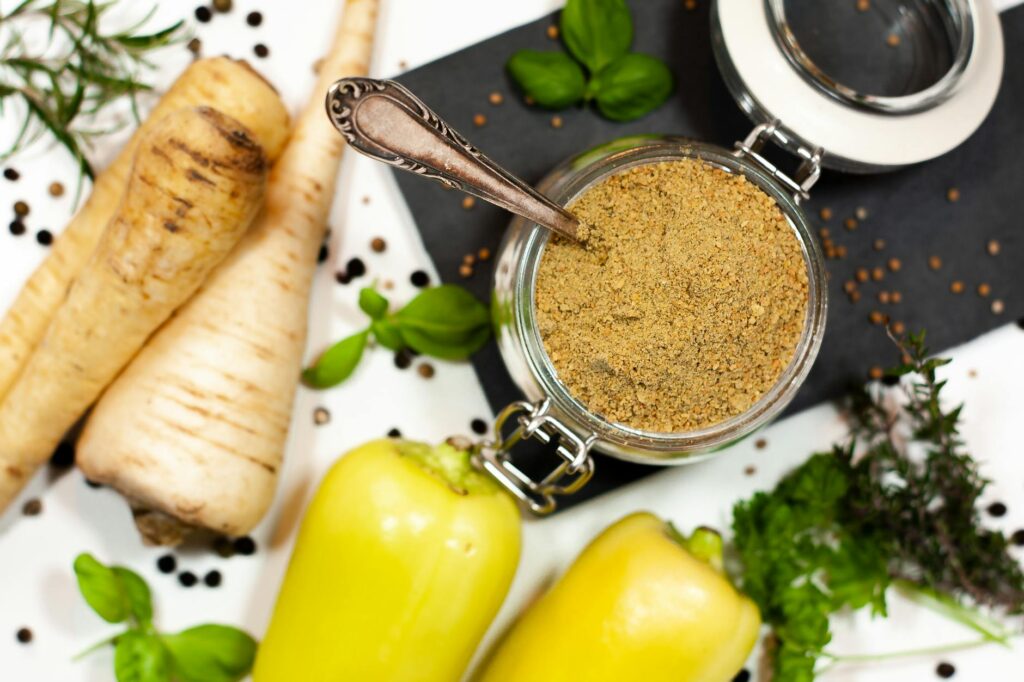
Parsnip Cultivation Explained
Introduction
Parsnips (Pastinaca sativa) are a root vegetable that has seen a resurgence in popularity due to their unique flavor profile and versatility in culinary applications. With their sweet, nutty taste that intensifies after frost, parsnips are a favorite among chefs and home cooks alike. This article delves into the cultivation of parsnips, providing a comprehensive guide covering their history, growing techniques, quality grading, and much more.
What Is Growing?
Growing, in the context of agriculture and horticulture, refers to the process of nurturing plants from seed to harvest. This involves a range of activities, including soil preparation, planting, watering, weeding, and pest management. For parsnips, specific growing conditions and practices are essential to ensure a healthy yield.
Parsnips are biennial plants, meaning they typically complete their life cycle in two years. However, they are grown as annuals in culinary contexts, harvested for their edible roots in the first year. Understanding the growing conditions for parsnips is crucial for successful cultivation.
History and Origins
Parsnips are believed to have originated in the Mediterranean region but were cultivated extensively in ancient Rome and Greece. They were a staple food in Europe before the introduction of the potato in the 16th century. Historically, parsnips were valued for their high carbohydrate content, providing sustenance during the winter months.
In the 18th and 19th centuries, parsnips became increasingly popular in England, where they were often used in various traditional dishes. Today, parsnips are grown in many temperate regions worldwide, particularly in Europe and North America, where they thrive in cool climates.
Production and Processing
Soil Preparation
Preparing the soil is a critical first step in parsnip cultivation. Parsnips prefer well-drained, sandy loam or loamy soil that is rich in organic matter. The soil pH should ideally be between 6.0 and 7.0.
To prepare the soil, it is advisable to:
1. Remove Debris: Clear the planting area of weeds, rocks, and old plant material.
2. Tillage: Loosen the soil to a depth of at least 12 inches to accommodate the long taproot of the parsnip.
3. Organic Matter: Incorporate well-rotted compost or manure to enhance soil fertility.
Sowing Seeds
Parsnip seeds should be sown directly into the soil, as they do not transplant well. The best time for sowing is in early spring, as parsnips require a long growing season—typically 120 to 180 days—from sowing to harvest.
Seeds should be sown about 1 inch deep and spaced approximately 6 to 8 inches apart in rows that are 12 to 18 inches apart. Due to their slow germination—often taking two to three weeks—it is beneficial to pre-soak seeds for 24 hours before planting.
Watering and Maintenance
Regular watering is essential, especially during dry spells. However, overwatering should be avoided, as parsnips are susceptible to root rot. The soil should be kept consistently moist but not soggy.
Weeding is another critical maintenance task, as parsnips can be outcompeted by weeds. A layer of mulch can help retain moisture and suppress weed growth.
Pest and Disease Management
Parsnips are generally resilient, but they can be affected by a few pests and diseases, including:
- Carrot Fly: This pest can damage the roots. Using row covers can help deter them.
- Fungal Diseases: Fungal infections can be minimized through crop rotation and good sanitation practices.
- Size: Larger parsnips are generally preferred for their sweeter taste, but they should not exceed 3 inches in diameter.
- Shape: Uniformly tapered roots are desirable, as they indicate good growing conditions.
- Color: A pale cream to yellow color is ideal, while dark spots or discoloration may indicate spoilage.
- Soups and Stews: Parsnips can be puréed or chopped into hearty soups and stews.
- Roasted Dishes: Roasting parsnips caramelizes their natural sugars, bringing out their sweetness.
- Mashed: They can be mashed and blended with potatoes for a unique side dish.
- Baking: Some creative bakers incorporate parsnips into cakes and muffins for added moisture and sweetness.
Quality and Grading
The quality of parsnips is assessed based on several factors, including size, shape, color, and absence of blemishes.
Grading Standards
Parsnips are typically graded into categories such as U.S. No. 1 or U.S. No. 2, with No. 1 representing higher quality.
Buying Considerations
When purchasing parsnips, whether from a grocery store or a farmers’ market, several factors should be taken into account:
1. Freshness: Look for parsnips that are firm and free from soft spots or wrinkles.
2. Skin: The skin should be smooth and free from blemishes.
3. Size: Consider what size you need based on your intended application; larger parsnips are great for roasting, while smaller ones can be excellent for soups.
4. Organic vs. Conventional: Organic parsnips may have a different flavor profile and are often preferred for their environmentally friendly cultivation practices.
Uses and Applications
Parsnips are versatile vegetables that can be employed in a myriad of culinary applications. Their sweet flavor enhances both savory and sweet dishes, making them a favorite among chefs.
Culinary Applications
Storage and Shelf Life
Proper storage is essential to extend the shelf