
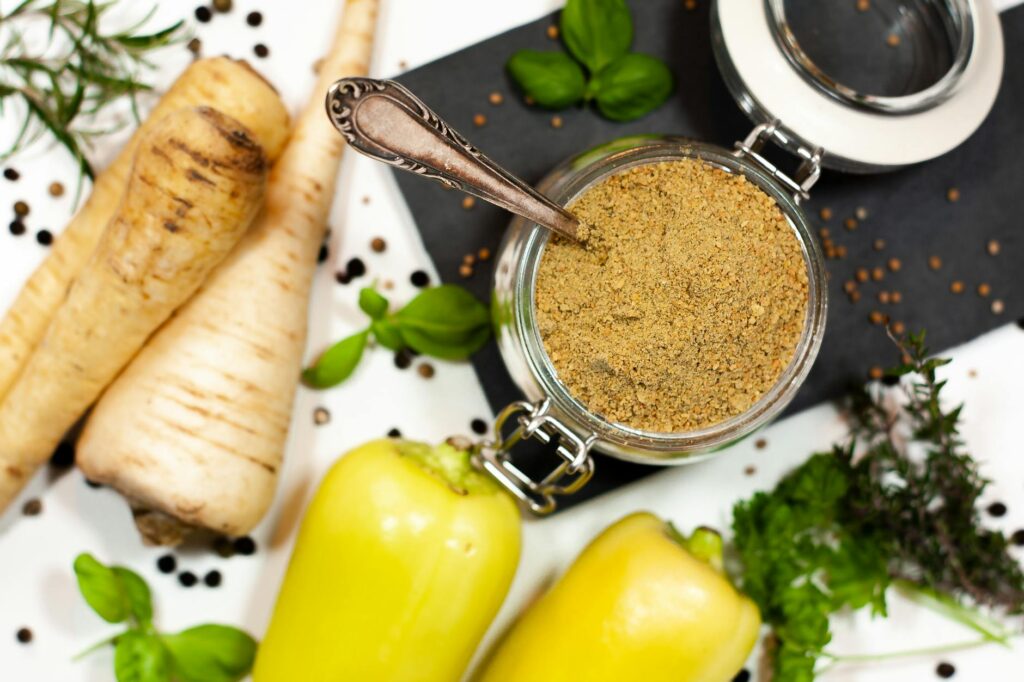
Parsnip FAQs Answered
Introduction
Parsnips, with their pale, cream-colored skin and sweet, earthy flavor, are a root vegetable that has been cherished for centuries. Often overshadowed by their more popular counterparts, such as carrots and potatoes, parsnips are a versatile ingredient in many culinary traditions. This article aims to provide comprehensive information about parsnips, addressing the most frequently asked questions and clarifying common misconceptions surrounding this unique vegetable.
What Is Guides?
Guides, in the context of food ingredients, serve as an authoritative resource that provides in-depth information about specific ingredients, their uses, and best practices. For parsnips, guides encompass everything from their historical context and nutritional benefits to production methods and culinary applications. This article serves as a guide to understand parsnips better, ensuring both novice and seasoned cooks can appreciate this undervalued vegetable.
History and Origins
Parsnips (Pastinaca sativa) are believed to have originated in the Mediterranean region and were cultivated by the Romans long before the introduction of the potato to Europe. They were a staple food for the Romans, often eaten raw or cooked, and were prized for their sweetness, especially after frost. The plant is a member of the Apiaceae family, which includes carrots, celery, and parsley.
During the Middle Ages, parsnips remained a popular food source, frequently appearing in European diets. They were particularly valued in Britain, where they were commonly grown and consumed until the potato became more widely available. Today, parsnips are cultivated in many temperate regions around the world and are celebrated for their unique flavor and nutritional value.
Production and Processing
Parsnips thrive in well-drained, sandy soils and prefer cooler climates, which enhance their sweetness. They are typically planted in early spring and harvested in the fall or winter, as exposure to frost improves their flavor by converting starches to sugars.
The harvesting process involves uprooting the parsnips from the soil, which can be labor-intensive. In commercial settings, mechanical harvesters are often used to streamline this process. Once harvested, parsnips are usually washed and trimmed before being sent to markets or processing facilities.
Processing methods can vary; however, common practices include peeling, slicing, and packaging for both fresh sales and frozen products. Key to maintaining the quality of parsnips is minimizing exposure to light and heat during storage and transport.
Quality and Grading
Quality grading of parsnips is based on several factors, including size, shape, and surface condition. Premium parsnips are typically large, straight, and free from blemishes or damage.
In the United States, the USDA has established grading standards for parsnips, which categorize them into three grades: U.S. No. 1, U.S. No. 2, and U.S. No. 3. U.S. No. 1 parsnips are firm, smooth, and of good color, while U.S. No. 2 parsnips may show minor defects but are still suitable for consumption. U.S. No. 3 parsnips are generally of lower quality and are often used for processing rather than fresh sales.
When selecting parsnips, look for those that are firm and heavy for their size, with a smooth skin and minimal blemishes. Smaller parsnips often have a sweeter flavor, as they are more tender than their larger counterparts.
Buying Considerations
When purchasing parsnips, consider the following factors:
1. Seasonality: Parsnips are generally in season from late fall to early spring. Buying them during this period ensures the best flavor and quality.
2. Freshness: Look for firm, unblemished parsnips with a smooth skin. Avoid those that feel soft or have dark spots, as these may indicate spoilage.
3. Organic vs. Conventional: Organic parsnips may be more expensive but are grown without synthetic pesticides or fertilizers. If you prefer organic produce, check for certification.
4. Local Sources: Purchasing parsnips from local farmers’ markets can often guarantee freshness and support local agriculture.
5. Storage Needs: Consider how soon you plan to use them. Fresh parsnips can last several weeks when stored properly, but if you plan to use them soon, freshness is paramount.
Uses and Applications
Parsnips are incredibly versatile and can be used in a variety of culinary applications. They can be roasted, mashed, pureed, or added to soups and stews, where they impart a subtle sweetness.
In addition to traditional cooking methods, parsnips can also be used in salads, where raw, thinly sliced parsnips add a crunchy texture. They are often combined with other root vegetables for a colorful and flavorful medley.
Moreover, parsnips can be transformed into parsnip chips as a healthy snack alternative or used as a natural sweetener in various dishes. Their flavor profile complements both savory and sweet ingredients, making them an excellent addition to an array of recipes.
Storage and Shelf Life
Proper storage is crucial for maintaining the freshness and quality of parsnips. They should be stored in a cool, dark place, ideally in the refrigerator.
1. Refrigeration: Store parsnips in a perforated plastic bag in the vegetable crisper drawer of your fridge. This helps maintain humidity while allowing for airflow.
2. Shelf Life: When stored adequately, fresh parsnips can last for up to two to three weeks. However, they are best consumed within the first week for optimal flavor and texture.
3. Avoiding Ethylene: Keep parsnips away from ethylene-producing fruits like apples and bananas, as this can accelerate spoilage.
4. Freezing: If you have an excess of parsnips, they