
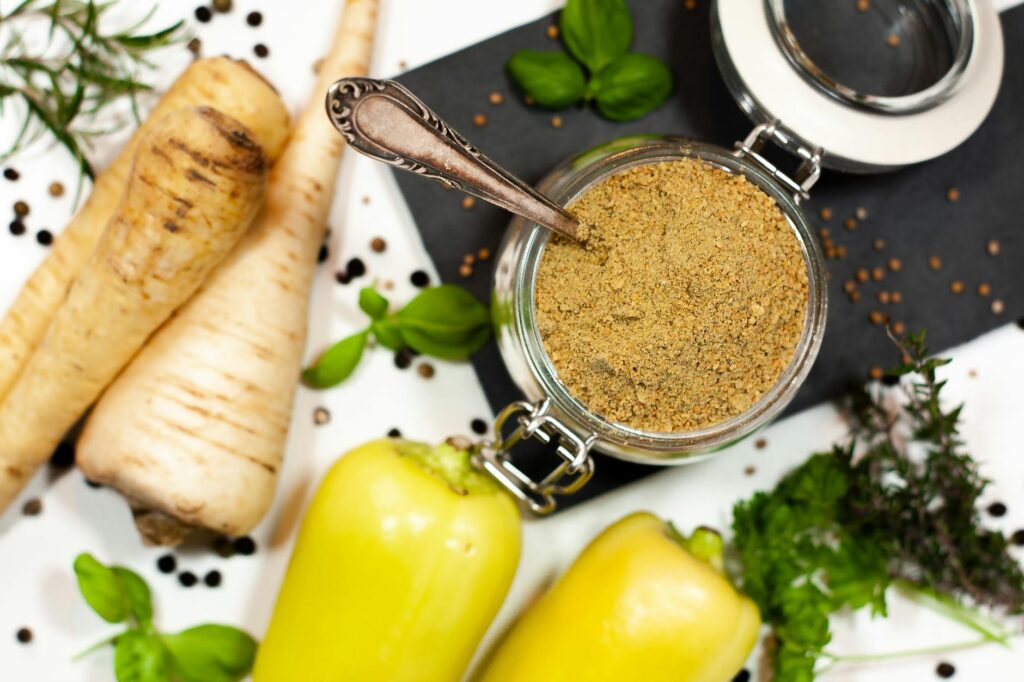
Parsnip: Origins and Evolution
Introduction
Parsnips (Pastinaca sativa) are a root vegetable that offers a unique flavor profile and historical significance in global cuisine. This article delves into the origins and evolution of parsnips, exploring their history, production, uses, and more. Understanding parsnips not only enhances culinary knowledge but also connects us to agricultural practices and cultural traditions that have shaped their place in our diets.
What Is About?
Parsnips are biennial plants belonging to the Apiaceae family, which also includes carrots, celery, and parsley. Characterized by their pale cream or beige color, parsnips have a sweet, nutty flavor that intensifies with frost exposure. They are typically harvested in late autumn or early winter, making them a staple in colder climates. Their versatility allows them to be enjoyed in various culinary applications, from soups to purees.
History and Origins
Parsnips have a rich history that dates back to ancient times. Originating in the Mediterranean region, they were cultivated by the Romans and Greeks, who valued them for their nutritional benefits and culinary versatility. Historical accounts suggest that parsnips were a significant food source before the introduction of the potato to Europe in the late 16th century.
In Roman times, parsnips were often used as a sweetener, as their high sugar content made them an ideal substitute for honey. The vegetable spread throughout Europe, where different cultures embraced it in their diets. In medieval England, parsnips were a common food item, especially during the winter months when other crops were scarce.
As agriculture evolved, so too did the cultivation of parsnips. By the 18th century, selective breeding led to the development of larger, sweeter varieties, further increasing their popularity. In the United States, parsnips were introduced by early European settlers and thrived in the northeastern regions, where the climate was conducive to their growth.
Production and Processing
Parsnips are typically grown in temperate climates, as they require a frost period to develop their characteristic sweetness. The cultivation process begins with the planting of seeds in well-drained, fertile soil, ideally in early spring. The plants require regular watering and a sunny location to thrive.
Harvesting usually occurs after the first frost, as this natural freezing process converts starches into sugars, enhancing the flavor of the roots. The roots are carefully dug up to prevent damage, as they can be relatively delicate.
After harvesting, parsnips can undergo various processing methods, including washing, peeling, and cutting. They may be stored whole in cold environments or processed into various forms such as purees, chips, or dried products for longer shelf life.
Quality and Grading
The quality of parsnips is assessed based on several factors, including size, shape, color, and texture. High-quality parsnips should be firm, smooth, and free from blemishes or soft spots. The ideal root size is typically between 6 to 8 inches long and 2 to 3 inches in diameter.
Grading standards may vary by region, but generally, parsnips are categorized into different grades based on these qualities. Higher grades indicate superior taste and texture, making them more desirable for culinary uses.
In commercial settings, parsnips are often tested for sugar content, which is a key indicator of flavor. Freshness is crucial, as older parsnips can develop a woody texture and lose their sweetness.
Buying Considerations
When purchasing parsnips, consider the following factors to ensure you select the best quality produce:
1. Appearance: Look for parsnips that are firm, smooth, and free from blemishes. Avoid those that appear shriveled or have soft spots.
2. Size: Medium-sized parsnips tend to have a better flavor and texture than very large ones, which can become woody.
3. Color: A uniform cream or beige color indicates freshness. Discolorations may suggest age or spoilage.
4. Seasonality: Parsnips are typically in season from late autumn to early spring. Purchasing them during this time ensures optimal flavor.
5. Source: If possible, buy from local farmers or markets to ensure freshness and support local agriculture.
Uses and Applications
Parsnips are incredibly versatile and can be utilized in various culinary applications. Their sweet, earthy flavor allows them to be roasted, boiled, mashed, or pureed, making them an excellent addition to soups, stews, and casseroles.
In addition to traditional uses, parsnips can be incorporated into salads, grilled, or even spiralized as a low-carb alternative to pasta. They can be combined with other root vegetables for a colorful and nutritious side dish.
Parsnips also lend themselves well to modern culinary techniques, such as sous-vide cooking, which can enhance their flavor and texture. Chefs often use parsnip puree as a base for sauces or as an elegant accompaniment to meats.
Storage and Shelf Life
To maximize shelf life, parsnips should be stored in a cool, dark place, ideally in the refrigerator’s crisper drawer. When kept in a plastic bag, they can last for several weeks.
If parsnips become soft or wrinkled, they can often be revitalized by soaking them in cold water for a few hours. However, once they develop a woody texture or an off smell, it is best to discard them.
For longer storage, parsnips can be blanched and frozen, allowing them to retain their flavor and nutritional value for several months.
Common Misconceptions
Despite their culinary versatility, several misconceptions about parsnips persist:
1. Parsnips Are Just White Carrots: While they share a similar shape, parsnips and carrots are distinct in flavor and texture