
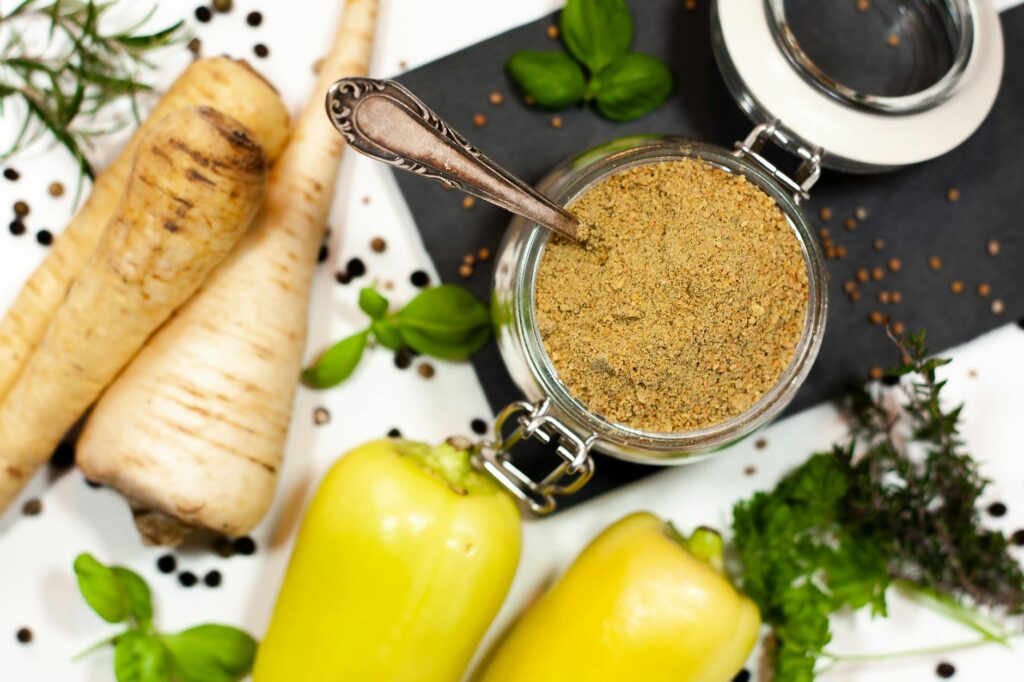
Parsnip Production by Country
Introduction
Parsnips (Pastinaca sativa) are root vegetables closely related to carrots and parsley, known for their sweet, nutty flavor, especially when harvested after a frost. While they have been cultivated for centuries, their popularity has ebbed and flowed throughout history. This article delves into the global production of parsnips, highlighting regions known for their cultivation, historical backgrounds, and current market dynamics.
What Is Regions?
In the context of agricultural production, “regions” refers to specific geographical areas where parsnips are grown. These regions can vary widely based on climate, soil types, and cultural practices. Different countries have unique agricultural practices that influence the quality and characteristics of parsnips produced within their borders. Understanding these regional differences provides insight into the global market and the culinary diversity that parsnips can offer.
History and Origins
Parsnips have a rich history that dates back to ancient times. Native to Europe and parts of Asia, they were initially cultivated by the Romans, who valued them as a staple food before the introduction of the potato. The parsnip’s natural sweetness, especially when exposed to frost, made it a popular food during the winter months. Over time, parsnips spread throughout Europe and eventually to North America, where they became a significant crop in colonial times.
The cultivation of parsnips has evolved, with modern agricultural practices improving yield and quality. Today, several countries, particularly in Europe and North America, have established themselves as leaders in parsnip production.
Production and Processing
Leading Producing Countries
1. United Kingdom: The UK is one of the largest producers of parsnips, particularly in regions like East Anglia, where the climate and soil conditions are ideal. The UK’s production is primarily targeted at the domestic market, particularly during the winter months when parsnips are in high demand.
2. United States: In the US, parsnips are grown primarily in the Northeast, Midwest, and Pacific Northwest. States such as Michigan and California lead production, focusing on both fresh market sales and processing for frozen products.
3. Germany: Germany is another key player in parsnip production, with significant cultivation in regions such as Bavaria and North Rhine-Westphalia. The country has a growing market for organic parsnips, reflecting a broader trend towards sustainable agriculture.
4. Netherlands: Known for its advanced agricultural techniques, the Netherlands produces parsnips primarily for export. The Dutch focus on high-quality root vegetables has established their reputation in the European market.
Processing Techniques
Once harvested, parsnips undergo various processing techniques to enhance their shelf life and marketability. Common methods include washing, peeling, and cutting. Some producers opt for freezing to maintain freshness, while others may dehydrate parsnips for use in soups and seasonings. The processing methods employed can vary significantly based on the intended market.
Quality and Grading
The quality of parsnips is affected by several factors, including soil quality, climate, and harvesting methods. In commercial markets, parsnips are graded based on size, shape, and absence of defects. Generally, parsnips should be firm, smooth, and free of blemishes.
Grading Standards
1. Grade A: These parsnips are of premium quality, with a smooth surface, uniform shape, and no visible defects.
2. Grade B: While still edible, Grade B parsnips may show minor defects, such as slight blemishes or irregular shapes.
3. Processing Grade: These parsnips are typically smaller or have more significant defects and are primarily used for processing rather than fresh market sales.
Buying Considerations
When purchasing parsnips, consumers should consider several factors to ensure they select the best quality:
- Seasonality: Parsnips are typically harvested in late fall to early spring. Buying them in season will guarantee better flavor and quality.
- Appearance: Look for parsnips that are firm, smooth, and free from soft spots, which may indicate spoilage.
- Size: Smaller parsnips tend to be sweeter, while larger ones may have a woodier texture. The choice depends on personal preference and intended use.
- Organic vs. Conventional: Organic parsnips are grown without synthetic fertilizers or pesticides, which may appeal to health-conscious consumers.
- Soups and Stews: Parsnips add a sweet, earthy flavor that enhances the overall taste profile of soups and stews.
- Purees: When cooked and blended, parsnips create a smooth, creamy texture that can serve as a base for various sauces or side dishes.
- Roasted Dishes: Roasting parsnips caramelizes their natural sugars, resulting in a sweet and flavorful side dish.
- Salads: Raw parsnip can be julienned or grated into salads, providing a crunchy texture and unique flavor.
Uses and Applications
Parsnips are versatile vegetables that can be used in a variety of culinary applications. Their natural sweetness makes them an excellent addition to soups, stews, and purées. They can also be roasted, mashed, or used in salads, offering a depth of flavor that complements both savory and sweet dishes.
Culinary Applications
Storage and Shelf Life
Proper storage of parsnips is essential to maintain their quality and extend their shelf life. Fresh parsnips should be kept in a cool, dark place, ideally in a perforated plastic bag in the refrigerator.
Shelf Life
Under optimal storage conditions, fresh parsnips can last up to two weeks in the refrigerator. For longer storage, parsnips can be blanched and frozen, which can preserve their quality for up to a year.