
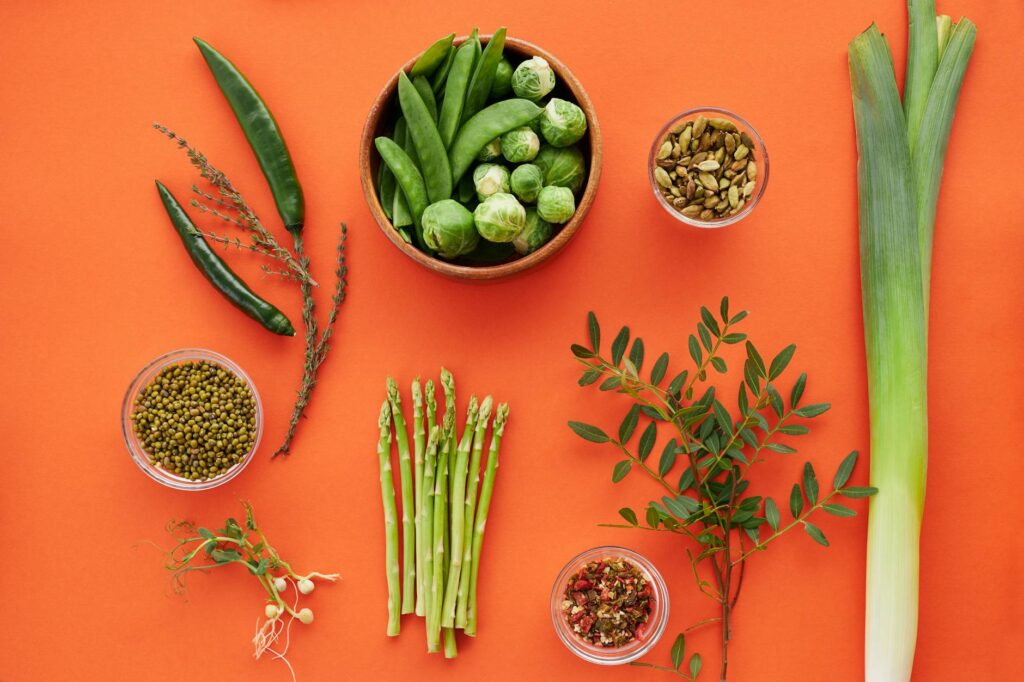
Pea Shoots FAQs Answered
Introduction
Pea shoots, the tender young leaves and stems of the pea plant, have garnered attention in culinary circles for their delicate flavor and vibrant green hue. These versatile greens are not only a delightful addition to various dishes but also rich in nutrients. As the culinary world continues to embrace fresh, seasonal ingredients, understanding pea shoots becomes essential for both home cooks and professional chefs alike. This article aims to provide comprehensive insights into pea shoots, addressing common questions and enhancing your knowledge about this delightful ingredient.
What Is Guides?
Guides in the context of food ingredients serve as comprehensive resources that educate consumers and culinary enthusiasts about various aspects of a particular ingredient. These guides typically include information on the ingredient’s history, production methods, quality standards, and culinary applications. By offering detailed insights, guides help individuals make informed choices when selecting and utilizing food ingredients. In the case of pea shoots, a guide would encompass their characteristics, nutritional benefits, and practical uses in the kitchen.
History and Origins
Pea shoots have a rich history that dates back thousands of years. The pea plant, scientifically known as Pisum sativum, is believed to have originated in the Mediterranean region and parts of the Near East. It was cultivated by ancient civilizations not only for its edible seeds but also for its tender shoots, which were often consumed as a green vegetable.
The consumption of pea shoots can be traced back to various cultures, particularly in Asian cuisines. In China, for instance, pea shoots are a staple in traditional dishes, prized for their fresh, crisp texture and mild flavor. Over time, they have gained popularity in Western culinary practices, often appearing in salads, stir-fries, and as garnishes, thanks to their appealing aesthetics and nutritional profile.
Production and Processing
Pea shoots are typically harvested from young pea plants, usually around two to three weeks after germination. At this stage, the plants are still tender and packed with flavor, making them ideal for culinary use. The harvesting process involves carefully cutting the shoots just above the soil line to encourage further growth.
In terms of cultivation, pea shoots can be grown in a variety of environments, including home gardens, greenhouses, and commercial farms. They require a moderate climate, well-drained soil, and ample sunlight. Organic methods are often employed to cultivate pea shoots, as they are sensitive to pesticides and chemicals, which can affect their delicate flavor and nutritional value.
After harvesting, pea shoots are usually washed, sorted, and packaged for distribution. They are often sold fresh, but can also be found in a pre-packaged format, ready for immediate use.
Quality and Grading
The quality of pea shoots is influenced by several factors, including the growing conditions, the time of harvest, and post-harvest handling. High-quality pea shoots should be vibrant green, with a crisp texture and a fresh aroma. They should be free from blemishes, wilting, or yellowing leaves, which are indicators of aging or poor storage conditions.
Grading standards for pea shoots are not universally established, but they generally fall into categories based on size, color, and overall freshness. Premium-grade pea shoots are those that meet the highest standards of appearance and quality, while lower grades may exhibit variations in color or texture.
When purchasing pea shoots, it is advisable to select those that appear fresh and lively, as they are best enjoyed when consumed shortly after harvest.
Buying Considerations
When buying pea shoots, several factors should be taken into account:
1. Freshness: Always check for vibrant color and firmness. Avoid shoots that appear wilted or discolored.
2. Source: If possible, choose organic pea shoots from local farms. This not only supports local agriculture but also ensures that the shoots are fresher.
3. Packaging: If purchasing pre-packaged pea shoots, ensure that the packaging is intact and not approaching its expiration date.
4. Seasonality: Pea shoots are typically in season during the spring months. Buying them in season often guarantees better flavor and quality.
5. Sustainability: Consider the environmental impact of your purchase. Opting for sustainably grown options can contribute to more responsible agricultural practices.
Uses and Applications
Pea shoots are incredibly versatile and can be used in a myriad of culinary applications. Their mild flavor and crunchy texture make them an excellent addition to salads, where they can provide a fresh contrast to other ingredients. They also work well in stir-fries, soups, and as a garnish for various dishes.
In addition to being a popular salad ingredient, pea shoots can be blended into smoothies for added nutrition, or used as a topping for sandwiches and wraps. Their aesthetic appeal makes them a favored choice for plating in fine dining, where they can enhance the visual presentation of a dish.
Chefs often recognize the importance of incorporating seasonal ingredients, and pea shoots, being a spring delicacy, can elevate dishes with their freshness and vibrant color.
Storage and Shelf Life
Proper storage is crucial to maintaining the freshness and quality of pea shoots. When purchased, it is ideal to keep them refrigerated in a breathable container, such as a perforated plastic bag or a damp paper towel. This helps to regulate moisture while preventing wilting.
Fresh pea shoots typically have a shelf life of about 4 to 7 days when stored properly in the refrigerator. It is advisable to use them as soon as possible to enjoy their peak flavor and texture. If pea shoots begin to wilt or show signs of aging, it is best to discard them, as they may lose their appeal and nutritional value.
For extended storage, pea shoots can also be blanched and frozen, though this may alter their texture and flavor. Therefore, it is recommended to consume them fresh whenever possible.
Common Misconceptions
Despite their growing popularity, several misconceptions about pea shoots remain prevalent:
1. Only for Salads: While pea shoots are commonly used in salads, their culinary applications extend far beyond that. They can be used in stir-fries, soups, and as garnishes, offering versatility in the kitchen.
2. Hard to Grow: Some may believe that growing pea shoots at home is challenging. In reality, they can be easily cultivated in small spaces, requiring minimal care and attention.
3. Nutritional Value: There is a misconception that pea shoots lack nutritional benefits. On the contrary, they are a rich source of vitamins A, C, and K, along with essential minerals and antioxidants, making them a valuable addition to a balanced diet.
4. Short Shelf Life: While it is true that pea shoots are perishable, proper storage can extend their freshness for several days. Understanding how to store them effectively can alleviate concerns about their longevity.
5. Flavor Similarity: Some may assume that cooked pea shoots taste just like mature peas. While they are related, pea shoots have a distinct flavor profile that is lighter and more delicate than the mature peas.
Frequently Asked Questions (6 FAQs)
1. What do pea shoots taste like?
Pea shoots have a mild, slightly sweet flavor with grassy undertones. Their fresh taste can be likened to that of young peas, but they offer a more delicate and nuanced profile, making them a pleasant addition to various dishes.
2. How can I incorporate pea shoots into my diet?
Pea shoots can be added to salads, blended into smoothies, used as a garnish for soups, or sautéed lightly in stir-fries. Their versatility allows for creative culinary exploration.
3. Are pea shoots the same as pea sprouts?
While the terms are often used interchangeably, pea shoots and pea sprouts are technically different. Pea shoots are the young leaves and stems of the pea plant, while pea sprouts refer specifically to the germinated seeds. Both are edible but have different textures and flavors.
4. Can I grow pea shoots at home?
Yes, pea shoots are relatively easy to grow at home. They can be cultivated in small containers or garden beds with minimal space and care, requiring only soil, water, and sunlight to thrive.
5. Are there any health benefits to eating pea shoots?
Pea shoots are rich in vitamins A, C, and K, as well as antioxidants and dietary fiber. They can contribute to a balanced diet, although specific health claims should be approached with caution.
6. How should I store pea shoots for maximum freshness?
To maintain freshness, store pea shoots in the refrigerator in a breathable container, like a perforated plastic bag or wrapped in a damp paper towel. Consume them within 4 to 7 days for optimal quality.
Conclusion
Pea shoots, with their tender texture and mild flavor, are an increasingly popular ingredient in the culinary world. Understanding their history, production, and various applications can enhance your appreciation for this green delicacy. Whether you are a home cook seeking to elevate your dishes or a professional chef exploring seasonal ingredients, pea shoots offer a wealth of possibilities. With proper handling and storage, these vibrant greens can be a staple in your kitchen, bringing freshness and nutrition to your meals.