
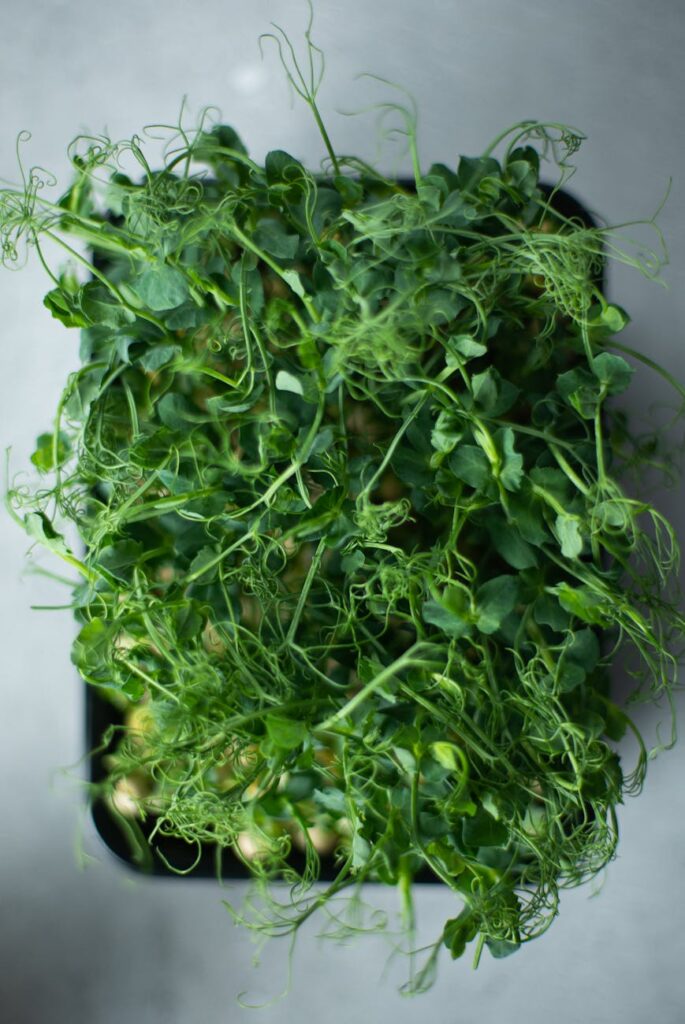
Pea Shoots Grading Explained
Introduction
Pea shoots, the tender young leaves and stems of the pea plant, have gained popularity in contemporary culinary practices due to their delicate flavor and nutritional benefits. They are not only a delightful addition to various dishes but also a symbol of fresh, seasonal eating. However, when it comes to purchasing pea shoots, understanding the grading system is essential for ensuring quality and maximizing culinary potential. This article delves into the nuances of buying pea shoots, offering insights into their history, production, quality grading, and more.
What Is Buying?
In the context of food ingredients, “buying” refers to the selection and procurement processes involved in acquiring products for culinary use. This includes evaluating quality, freshness, and price, as well as understanding the source and production methods of the ingredient. For pea shoots, buying involves more than just choosing the freshest batch; it encompasses an understanding of how to assess their quality, which can significantly affect their culinary applications.
History and Origins
Peas (Pisum sativum) have a long and storied history, with origins tracing back to the Mediterranean region over 7,000 years ago. The cultivation of peas spread throughout Europe and Asia, becoming a staple in various cuisines. Pea shoots, however, have only recently garnered attention, especially in gourmet cooking. These young shoots are typically harvested when the plants are about 2 to 3 weeks old, offering a fresh, sweet flavor that is distinct from mature peas.
Culinary interest in pea shoots surged in the late 20th century, particularly as chefs began to embrace farm-to-table philosophies. The delicate textures and vibrant green color of pea shoots make them an appealing garnish and ingredient in salads, soups, and other dishes. Their rise in popularity can be attributed to both their aesthetic appeal and their ability to offer a light, fresh taste.
Production and Processing
Pea shoots are typically grown in climate-controlled environments or greenhouses, allowing for year-round production. They can also be grown outdoors in cooler climates during the spring and fall. The growth cycle is relatively quick, making pea shoots a sustainable crop.
Harvesting involves cutting the shoots just above the soil line, ensuring that the stems and leaves remain intact. Once harvested, pea shoots must be carefully handled to prevent bruising and damage. They are often washed and packaged for distribution, which may include being sold in clamshell containers or bunches.
The processing of pea shoots is minimal compared to other ingredients, as they are typically sold fresh. However, some producers may offer them frozen or dehydrated, although these forms are less common.
Quality and Grading
When it comes to grading pea shoots, several factors come into play, including appearance, freshness, texture, and taste. The grading system for pea shoots is not as standardized as that for other produce, but general guidelines can help buyers assess quality.
Appearance
High-quality pea shoots should exhibit a vibrant green color, indicating freshness. Leaves should be tender and not wilted or yellowed. The stems should be crisp and firm, with no signs of browning or decay.
Freshness
Freshness is paramount when it comes to pea shoots. Buyers should look for shoots that have been harvested recently, ideally within a few days of purchase. The aroma should be fresh and green, without any off-odors that might indicate spoilage.
Texture
The texture of pea shoots is another important quality indicator. They should feel crisp and crunchy, with a slightly fibrous but tender consistency. If the shoots feel slimy or overly soft, they may be past their prime.
Taste
Taste is subjective but essential for quality. Fresh pea shoots should have a sweet, mildly grassy flavor, with a hint of earthiness. If the shoots taste bitter or have an off flavor, they may not be suitable for consumption.
Buying Considerations
When purchasing pea shoots, several considerations can help ensure that you select the best quality:
1. Source: Understanding where the pea shoots are grown can provide insight into their quality. Local, organic farms often produce superior products compared to mass-produced alternatives.
2. Seasonality: Pea shoots are typically available in spring and early summer. Buying them in season can enhance freshness and flavor.
3. Packaging: Inspect the packaging for any signs of moisture, which can lead to spoilage. Choose well-sealed packages that protect the shoots from physical damage.
4. Organic vs. Conventional: Organic pea shoots are grown without synthetic pesticides or fertilizers. If you are concerned about chemical exposure, opting for organic is advisable.
5. Supplier Reputation: Purchase from reputable suppliers, whether local farmers’ markets or established grocery stores. Ask about their sourcing practices to ensure you’re getting quality produce.
6. Visual Inspection: Always inspect the pea shoots before purchasing. Look for signs of freshness, such as vibrant color and firmness.
Uses and Applications
Pea shoots are versatile and can be utilized in various culinary applications. Their delicate flavor and tender texture make them ideal for:
- Salads: Fresh pea shoots can be a delightful addition to salads, offering a light crunch and a fresh flavor that complements other ingredients.
- Garnishes: Chefs often use pea shoots as a garnish for soups and entrees, adding visual appeal and enhancing flavor.
- Wraps and Sandwiches: They can be used in wraps and sandwiches, providing a nutritious and flavorful layer.
- Smoothies: For a nutrient boost, pea shoots can be blended into smoothies, adding a fresh green element.
- Stir-fries: While less common, pea shoots can be quickly sautéed in stir-fries, contributing a mild sweetness.
Storage and Shelf Life
Proper storage is crucial to maintaining the freshness of pea shoots. They should be kept in a refrigerator at temperatures between