
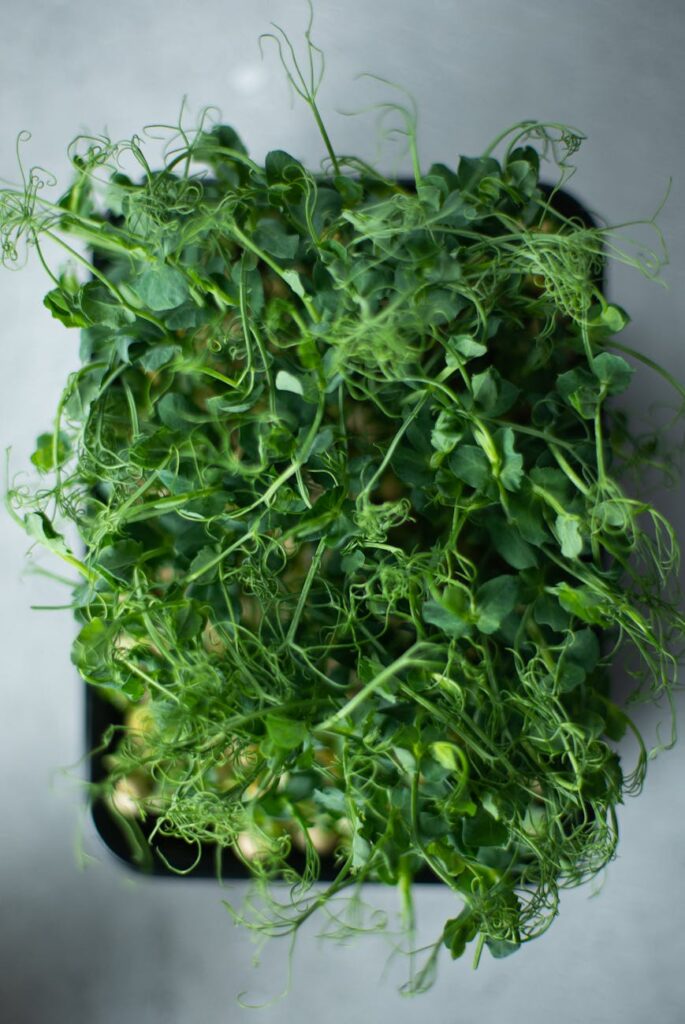
Pea Shoots Myths and Misconceptions
Introduction
Pea shoots, the tender, young leaves and stems of the pea plant, have gained significant popularity in recent years. Widely celebrated for their delicate flavor and nutritional benefits, they are often featured in gourmet dishes and health-conscious menus. However, despite their rising profile, several myths and misconceptions surround pea shoots that can lead to confusion among consumers and culinary enthusiasts alike. This article aims to dissect these myths, providing clear, factual information about pea shoots to enhance understanding and appreciation of this vibrant ingredient.
What Is Guides?
Guides, in the context of food ingredients, serve as comprehensive resources that offer insights into various aspects of a particular ingredient, including its history, production, uses, and common misconceptions. These guides are designed to inform chefs, food enthusiasts, and consumers about the intricacies of ingredients like pea shoots, enabling them to make educated choices in their culinary endeavors.
History and Origins
Pea shoots have their roots in the ancient agricultural practices of China, where they have been cultivated for centuries. The cultivation of peas dates back to around 5000 BC, with evidence suggesting that they were among the first crops domesticated by humans. Traditionally, both the peas and their shoots were valued not only for their nutritional content but also for their versatility in cuisine.
In Western cuisine, pea shoots began to gain prominence during the 20th century, particularly in upscale dining establishments. Their mild, sweet flavor and vibrant green color have made them a favored choice for garnishing and adding texture to various dishes. Today, they are recognized worldwide, particularly in Asian and fusion cuisines, where their unique characteristics can shine.
Production and Processing
Pea shoots are typically harvested from several varieties of pea plants, including the common garden pea (Pisum sativum) and sugar snap peas. These shoots are cultivated in controlled environments, such as greenhouses, or in outdoor gardens, where they can thrive in rich, well-drained soil with ample sunlight.
The production process involves planting pea seeds and allowing them to germinate. Once the plants reach a height of approximately 2-6 inches, the shoots are ready for harvesting. This stage is crucial, as it is when the leaves are tender and flavorful. After harvesting, pea shoots are often rinsed and packaged for sale, requiring careful handling to maintain their delicate structure and freshness.
Quality and Grading
Quality grading of pea shoots is essential to ensure consumers receive a product that meets their expectations. High-quality pea shoots are characterized by vibrant green color, crisp texture, and a sweet, fresh aroma. They should be free from wilted leaves, discoloration, or any signs of decay.
When purchasing pea shoots, consumers should look for those that are sold fresh and refrigerated, as this indicates proper handling. Some suppliers may also provide information on the growing methods used, such as organic or sustainable practices, which can further enhance the perceived quality of the product.
Buying Considerations
When buying pea shoots, several factors should be considered to ensure the best quality:
1. Source: Look for local farms or reputable suppliers that prioritize freshness and quality. Farmers’ markets and specialty grocery stores often have the best selections.
2. Seasonality: Pea shoots are typically in season during the spring and early summer months. Purchasing them during this time often results in better flavor and texture.
3. Packaging: Choose pea shoots that are packaged in breathable containers. This helps to maintain their freshness and prevents moisture buildup, which can lead to spoilage.
4. Organic Options: If you prefer organic produce, look for certified organic pea shoots, which are grown without synthetic pesticides or fertilizers.
5. Visual Inspection: Ensure that the shoots are vibrant and free from blemishes or wilting. Fresh pea shoots should have a crisp texture and a sweet scent.
Uses and Applications
Pea shoots are a versatile ingredient that can be used in various culinary applications. Their tender texture and mild flavor make them suitable for:
- Salads: They can be used as a base or garnish for salads, adding a fresh, crunchy element.
- Garnishes: Pea shoots are often employed as a decorative touch on soups, omelets, and main dishes, enhancing visual appeal.
- Stir-Fries: They can be quickly sautéed or added at the end of cooking in stir-fries, retaining their crispness.
- Wraps and Sandwiches: Due to their delicate structure, pea shoots can be layered in wraps and sandwiches, providing a fresh burst of flavor.
- Smoothies: Their mild taste makes them an excellent addition to smoothies, contributing nutrients without overpowering other flavors.
- Refrigeration: Pea shoots should be stored in the refrigerator, ideally in a breathable container or wrapped in a slightly damp paper towel to prevent drying out.
- Shelf Life: When stored correctly, fresh pea shoots can last up to a week. However, they are best consumed within a few days of purchase for optimal flavor and texture.
- Freezing: While freezing is not recommended for fresh pea shoots due to their delicate nature, they can be blanched and frozen if you wish to preserve them for longer periods. This process involves briefly cooking the shoots in boiling water and then quickly cooling them in ice water before freezing.
Storage and Shelf Life
Proper storage of pea shoots is vital to maintain their freshness and quality. Here are some key points to consider:
Common Misconceptions
Despite their popularity, pea shoots are often surrounded by misconceptions that can mislead consumers. Here are some of the most common myths:
Myth 1: Pea Shoots Are Just Young Peas
While pea shoots come from the pea plant, they are distinct from the peas themselves. Pea shoots consist of the young leaves and stems, which