
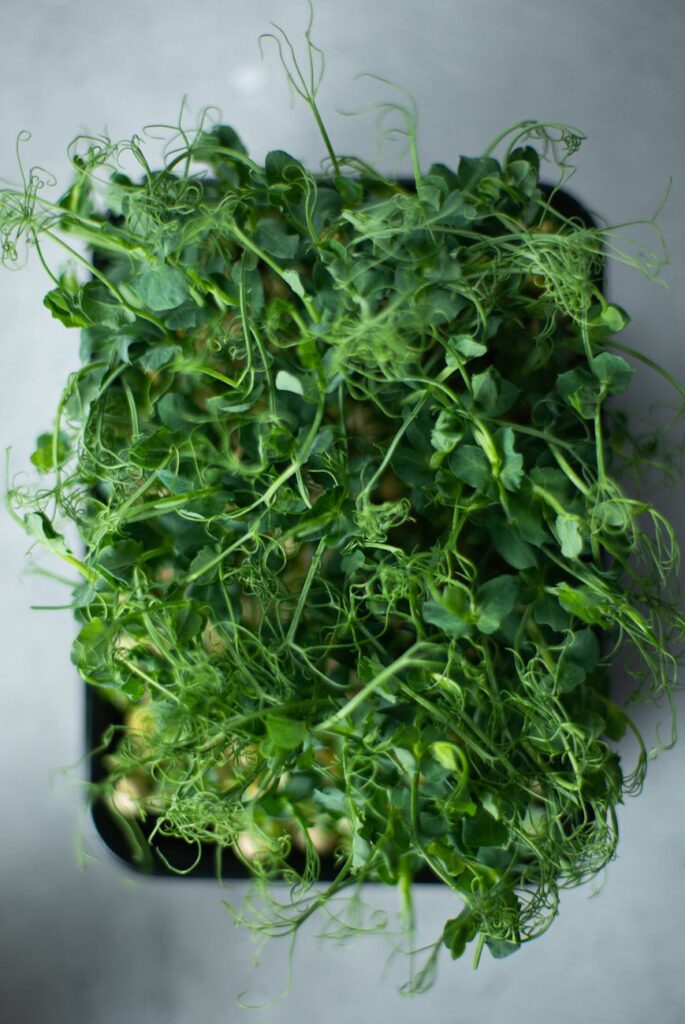
Pea Shoots Uses Guide Part 7
Introduction
Pea shoots, the tender young leaves and stems of the pea plant, have gained recognition in contemporary cuisine for their delicate flavor and vibrant green color. This guide delves into the myriad uses of pea shoots, exploring their culinary applications, historical significance, and practical considerations for both consumers and producers. Understanding the versatility of pea shoots can elevate culinary experiences and enhance nutritional offerings.
What Is Uses?
In the context of food ingredients, “uses” refers to the various ways an ingredient can be employed in cooking, food preparation, and consumption. This encompasses not only culinary applications but also considerations related to health, sustainability, and economic factors. For pea shoots, their uses extend beyond mere flavor enhancement; they serve as a source of nutrients, a visual element in dishes, and a symbol of seasonal eating.
History and Origins
Peas (Pisum sativum) have a rich history that can be traced back to ancient civilizations in the Mediterranean region and the Near East. Archaeological evidence suggests that peas were cultivated as early as 5,000 BCE. The practice of consuming pea shoots, however, appears to be a more recent development, gaining popularity in Asia, particularly in China, where they are known as “dou miao.”
In Western cuisine, pea shoots began to gain traction in the late 20th century, aligning with a broader movement towards fresh, locally sourced ingredients. Their light and slightly sweet flavor profile made them an appealing addition to salads, garnishes, and various dishes, allowing chefs to showcase the essence of spring.
Production and Processing
Pea shoots are typically harvested when the plants are young, around two to three weeks after germination. At this stage, the shoots are tender and flavorful, making them ideal for culinary use. They can be grown in soil or hydroponically, with the latter method allowing for year-round production.
The processing of pea shoots is minimal. After harvest, they are often rinsed to remove any soil, and then packaged for sale. Freshness is paramount, as the shoots are highly perishable and should be consumed soon after harvesting to enjoy their optimal flavor and nutritional benefits.
Quality and Grading
When assessing the quality of pea shoots, several factors come into play. Freshness is the most critical, as wilted or yellowing shoots indicate age and decreased flavor. The leaves should be vibrant green, and the stems should be crisp yet tender. Quality grading may also consider the absence of blemishes or discoloration.
Many suppliers utilize visual standards to grade pea shoots, and consumers should look for products that are packaged with care, showcasing the shoots’ freshness. Organic certifications can also be a consideration for those prioritizing sustainable agricultural practices.
Buying Considerations
When purchasing pea shoots, whether from farmers’ markets, grocery stores, or specialty shops, there are a few important factors to consider:
1. Freshness: Always inspect the shoots for signs of wilting or browning. They should be crisp and vibrant.
2. Source: Opt for locally sourced or organic pea shoots when possible, as these may offer superior flavor and environmental benefits.
3. Packaging: Look for shoots that are packaged in breathable containers to maintain freshness, and avoid those in sealed plastic which can lead to moisture buildup.
4. Seasonality: Pea shoots are typically harvested in spring. Purchasing them in season not only ensures optimal flavor but also supports local agriculture.
Uses and Applications
Pea shoots are incredibly versatile and can be used in various culinary applications:
Culinary Applications
1. Salads: Their tender texture and sweet flavor make them an ideal addition to salads, providing a fresh crunch.
2. Garnishes: Chefs often use pea shoots as an elegant garnish for soups, entrees, and appetizers, enhancing both visual appeal and flavor.
3. Stir-Fries: Quickly sautéing pea shoots with garlic or ginger can create a delightful side dish, adding color and nutrition.
4. Sandwiches and Wraps: Their lightness complements hearty ingredients, making them perfect for sandwiches and wraps.
5. Smoothies: Pea shoots can be blended into smoothies for an added nutritional boost without overwhelming the drink’s flavor.
6. Pesto and Sauces: They can be incorporated into pestos or sauces, providing a fresh twist on traditional recipes.
Nutritional Benefits
While the focus here is on culinary uses, it is worth noting that pea shoots are rich in vitamins A, C, and K, and provide a good source of folate and antioxidants. Their nutritional profile enhances the overall value of any dish in which they are included.
Aesthetic Appeal
Beyond taste, pea shoots contribute a vibrant green color to dishes, creating a visually appealing contrast that can elevate any culinary presentation. Their delicate nature allows them to complement both simple and complex dishes without overpowering other flavors.
Storage and Shelf Life
Pea shoots are highly perishable and should be stored properly to extend their shelf life. Here are some essential storage tips:
1. Refrigeration: Store fresh pea shoots in the refrigerator, ideally in a crisper drawer, where humidity levels are higher.
2. Moisture Control: To prevent wilting, keep the shoots in a loosely sealed container or wrap them in a damp paper towel before placing them in a plastic bag. Avoid excess moisture, as this can lead to mold growth.
3. Shelf Life: When stored correctly, pea shoots can last up to 5–7 days. However, they are best consumed within a few days of purchase to enjoy their peak freshness and flavor.
Common Misconceptions
Several misconceptions surround pea shoots, often stemming from a lack of familiarity with this ingredient:
1. Only for Salads: Many people assume pea shoots