
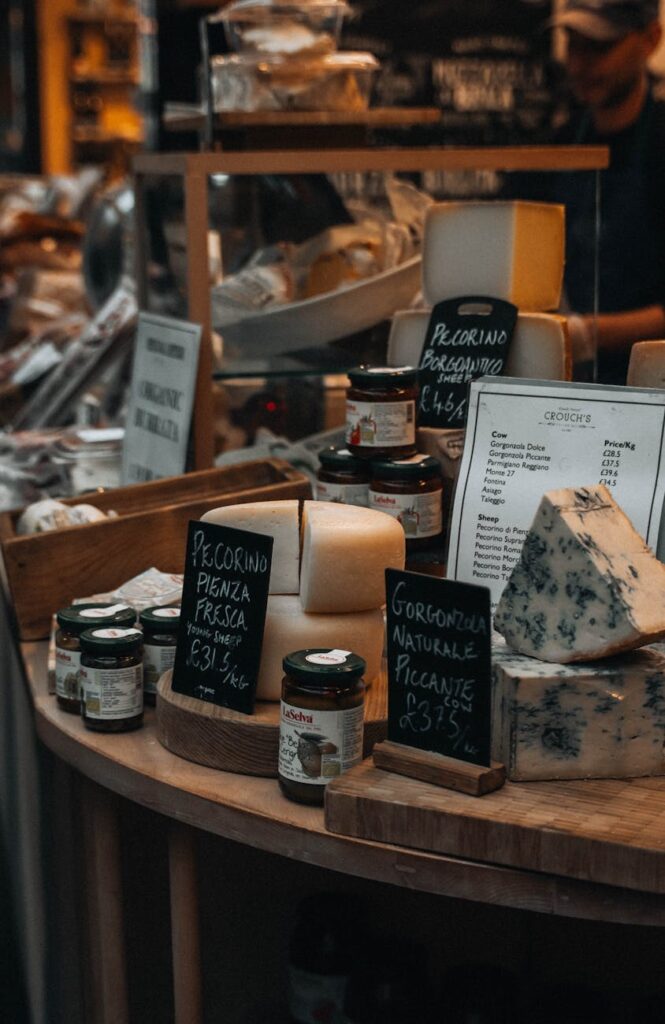
Pecorino Cheese Buying Guide Part 7
Introduction
Pecorino cheese, a staple of Italian cuisine, is renowned for its robust flavor profile and versatility. As cheese lovers around the globe seek out this unique ingredient, understanding how to buy the best Pecorino cheese is essential. This guide aims to educate consumers on the intricacies of purchasing Pecorino by exploring its history, production methods, quality assessments, and storage tips. Whether you are a culinary enthusiast or a casual cheese buyer, this comprehensive guide will enhance your purchasing experience.
What Is Buying?
Buying, in the context of food ingredients, refers to the process of selecting and acquiring products based on specific criteria, including quality, authenticity, and suitability for a particular culinary application. When it comes to Pecorino cheese, buying encompasses not only the act of purchasing but also the knowledge required to make informed decisions that will impact the flavor and quality of your meals.
Understanding the various types of Pecorino, their flavor profiles, and their uses can make a significant difference in your culinary endeavors. It is essential to consider factors such as origin, aging, and production methods that contribute to the character of this esteemed cheese.
History and Origins
Pecorino cheese has a rich and storied history that dates back thousands of years. Its roots can be traced to ancient Rome, where sheep herding was prevalent. The term “Pecorino” itself is derived from the Italian word “pecora,” meaning sheep, reflecting the cheese’s primary ingredient.
Traditionally produced in various regions of Italy, Pecorino is particularly associated with Lazio, Tuscany, and Sardinia. Each area has its own unique style and flavor, influenced by local pasture conditions and production techniques. Over the centuries, Pecorino has evolved from a staple for shepherds into a gourmet product sought after by chefs and food enthusiasts worldwide.
Production and Processing
The production of Pecorino cheese involves several meticulous steps that contribute to its unique flavor and texture. It is made from sheep’s milk, which is rich in fat and protein, giving Pecorino its characteristic creaminess.
1. Milk Collection: The first step involves sourcing high-quality sheep’s milk. In Italy, the best Pecorino comes from sheep that graze on natural pastures, which impart distinct flavors to the milk.
2. Curdling: The milk is warmed and then combined with rennet to initiate the curdling process. This step is crucial, as it affects the cheese’s texture and flavor.
3. Cutting the Curd: Once the milk has curdled, the curd is cut into small pieces to separate the whey from the solid curds. The size of the curd pieces can influence the final texture of the cheese.
4. Cooking and Stirring: The curds are gently cooked and stirred, allowing them to firm up. This process also helps to expel more whey.
5. Molding and Pressing: The curds are then placed into molds and pressed to remove excess whey and shape the cheese.
6. Salting: Pecorino is salted either by dry salting or brining, which enhances its flavor and acts as a preservative.
7. Aging: The aging process varies significantly based on the type of Pecorino being produced. Younger Pecorino is aged for about 5 months, while more mature varieties can be aged for over a year, developing complex flavors and textures.
Quality and Grading
When purchasing Pecorino cheese, understanding its quality and grading is vital. Various factors contribute to the grading of Pecorino, including:
- Origin: Authentic Pecorino Romano, for instance, is produced in specific regions and must adhere to strict regulations. Look for the DOP (Denominazione di Origine Protetta) seal, which guarantees its origin and quality.
- Aging: The aging process significantly affects flavor. Pecorino can be categorized as fresco (fresh), semi-stagionato (semi-aged), and stagionato (aged). Fresco is milder, while stagionato is more complex and sharp.
- Texture: The cheese should have a firm yet slightly crumbly texture, especially in aged varieties. A creamy texture indicates a fresh cheese, while a drier texture is typical of older Pecorino.
- Flavor: Quality Pecorino exhibits a rich, nutty flavor with varying levels of piquancy depending on its age.
When selecting Pecorino, consider tasting samples whenever possible to discern the flavor profiles and textures that appeal most to your palate.
Buying Considerations
As you prepare to purchase Pecorino cheese, several considerations can help ensure you choose the best product:
1. Type of Pecorino: Familiarize yourself with the different types of Pecorino, such as Pecorino Romano, Pecorino Sardo, and Pecorino Toscano. Each has its unique characteristics and applications.
2. Source: Opt for cheese from reputable producers or specialty cheese shops. Artisan producers often use traditional methods, leading to superior quality.
3. Packaging: Look for cheese that is well-packaged to prevent spoilage. Avoid cheese with excessive moisture or signs of spoilage, such as unusual colors or odors.
4. Freshness: Check the sell-by date and, if possible, inquire about when the cheese was made. Fresher cheese will have a more vibrant flavor.
5. Price: While price is not always an indicator of quality, be wary of significantly cheaper options, which may compromise on flavor or authenticity.
6. Pairing: Consider the culinary applications for which you intend to use the cheese. Different types of Pecorino excel in various dishes, from pasta to cheese boards.