
Pecorino Cheese FAQs Answered
Introduction
Pecorino cheese is a cherished ingredient in Italian cuisine, known for its robust flavor and versatile applications. As a staple in many dishes, it has garnered attention from chefs and home cooks alike. This article aims to provide comprehensive insights into Pecorino cheese, addressing common queries and misconceptions while exploring its rich history and production.
What Is Pecorino Cheese?
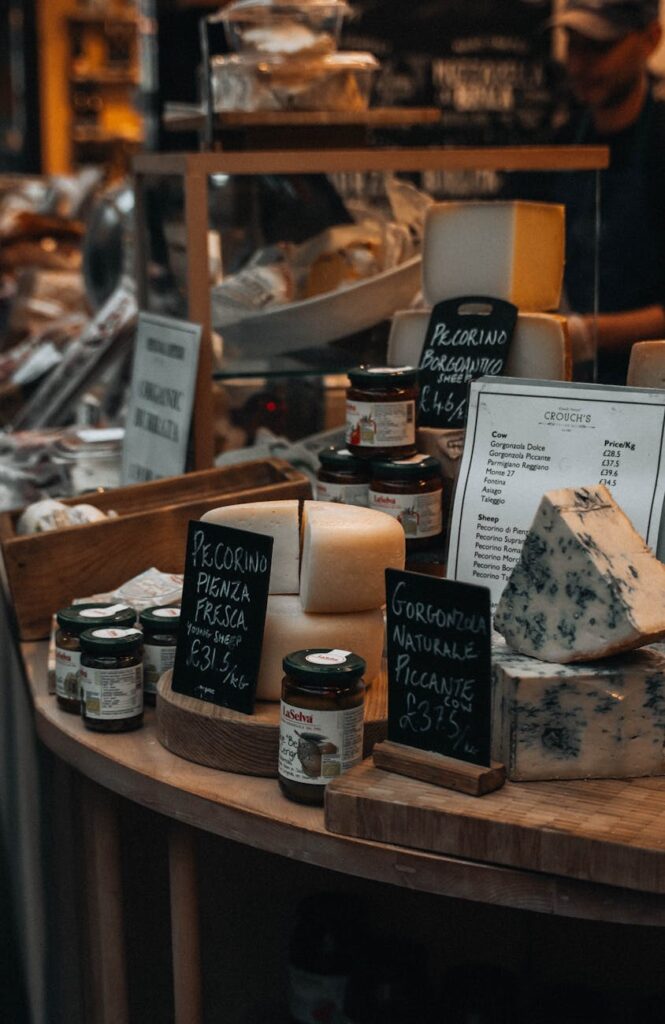
Pecorino is a type of cheese made from sheep’s milk, with its name derived from the Italian word “pecora,” meaning sheep. It is renowned for its distinctively sharp and tangy flavor, which varies depending on the age of the cheese. The texture can range from soft to hard, making it suitable for a variety of culinary uses, from grating over pasta to serving on charcuterie boards.
History and Origins
Pecorino cheese boasts a storied history that dates back to ancient Rome. Historical texts suggest that sheep farming and cheese-making were integral to the diet of Roman soldiers, who relied on Pecorino for its nutritional value. The cheese’s roots can be traced to the regions of Lazio and Tuscany, where artisanal practices have been passed down through generations.
Throughout the centuries, Pecorino has evolved, with various regions of Italy developing their own unique styles. The most famous types include Pecorino Romano, Pecorino Sardo, and Pecorino Toscano, each distinguished by its specific characteristics, flavor profiles, and production methods.
Production and Processing
The production of Pecorino cheese involves several key steps, beginning with the selection of high-quality sheep’s milk. The milk is usually sourced from specific breeds of sheep, including the Comisana and Sarda. After pasteurization, the milk is curdled using rennet, where it is allowed to coagulate before being cut into curds.
The curds are then gently heated and drained to remove whey. After forming the cheese into molds, it is salted, either by dry salting or brining, which enhances flavor and acts as a preservative. The aging process follows, during which Pecorino develops its characteristic taste and texture. The aging period can range from a few months to over a year, with longer aging resulting in a firmer and sharper cheese.
Quality and Grading
Quality in Pecorino cheese can be determined by several factors, including flavor, texture, and aroma. The Italian government regulates the production of certain types of Pecorino, such as Pecorino Romano, ensuring that they meet specific standards. Grading often considers the cheese’s age, with younger varieties being milder and softer, while aged varieties are more robust and crumbly.
When purchasing Pecorino, look for certified labels, which indicate adherence to traditional production methods and quality controls. Authentic Pecorino should have a firm rind and a creamy, pale interior, with a rich aroma that hints at its sheep’s milk origin.
Buying Considerations
When seeking Pecorino cheese, consider the following factors to ensure a quality purchase:
1. Type: Understand the different varieties of Pecorino. Pecorino Romano is the most widely known and used for grating, while Pecorino Toscano is softer and milder.
2. Aging: Decide whether you prefer a younger, milder cheese or an aged, sharper option. Check the label for indications of aging.
3. Source: Purchase from reputable cheese shops or delicatessens that specialize in Italian cheeses, ensuring that you receive an authentic product.
4. Texture and Flavor: Assess the texture and aroma. A good Pecorino should have a firm texture with a pleasant, tangy aroma.
5. Packaging: If buying pre-packaged cheese, check for freshness dates and ensure that the packaging is intact.
Uses and Applications
Pecorino cheese is incredibly versatile in culinary applications. It is often grated over pasta dishes, such as Cacio e Pepe or Roman-style Carbonara, where its sharpness enhances the overall flavor profile. It can also be enjoyed on cheese boards paired with honey, dried fruits, or nuts, which complement its saltiness.
In addition to its use in savory dishes, Pecorino can be incorporated into salads, risottos, and even as a finishing touch on roasted vegetables. Its unique flavor makes it a favorite among chefs for adding depth to sauces and soups.
Storage and Shelf Life
Proper storage is essential for maintaining the quality of Pecorino cheese. It should be kept in the refrigerator, ideally wrapped in parchment paper to allow it to breathe while minimizing moisture. Once opened, it can last for several weeks if stored correctly.
For longer storage, consider freezing Pecorino, though this may alter its texture. When thawed, it is best used in cooked dishes where its flavor can shine through, as the texture may become crumbly.
Common Misconceptions
1. All Pecorino is the Same: Many believe all Pecorino cheeses are identical. However, the flavor and characteristics can vary significantly based on region, production methods, and aging.
2. Pecorino is Just Parmesan: While both are hard cheeses, Pecorino is made from sheep’s milk, whereas Parmesan is made from cow’s milk. This fundamental difference affects their flavor profiles and uses.
3. Pecorino is Only for Grating: While it is commonly grated, Pecorino can also be enjoyed in chunks or melted, making it suitable for various culinary applications.
Frequently Asked Questions
1. What is the difference between Pecorino Romano and Pecorino Toscano?
Pecorino Romano is a hard cheese with a sharp, salty flavor, primarily used for grating. It is made from sheep’s milk and aged for a minimum of five months. Pecorino Toscano, on the other hand, is milder and creamier, often enjoyed as a table cheese. It is aged for a shorter period, typically around four months.
2. Can Pecorino cheese be eaten when pregnant?
While Pecorino is generally safe to consume during pregnancy, it is crucial to ensure that it is made from pasteurized milk to reduce the risk of harmful bacteria. Always consult a healthcare professional for personal dietary advice during pregnancy.
3. How can I tell if Pecorino cheese has gone bad?
Signs of spoilage in Pecorino cheese include an off smell, excessive moisture, or the presence of mold that is not typical for the cheese. If the cheese exhibits any of these signs, it is best to discard it.
4. Is Pecorino cheese gluten-free?
Yes, Pecorino cheese is naturally gluten-free, as it is made from sheep’s milk and does not contain any grains. However, always check labels and ingredient lists, especially for processed varieties.
5. How should I serve Pecorino cheese?
Pecorino can be served in various ways, including on a cheese platter, grated over pasta, or melted in dishes. Pair it with complementary ingredients such as honey, figs, or cured meats for a balanced flavor experience.
6. Can I substitute Pecorino for Parmesan in recipes?
While Pecorino can be used as a substitute for Parmesan, keep in mind that it has a different flavor profile. Pecorino tends to be saltier and sharper, so adjustments may be needed in the recipe to balance flavors.
In conclusion, Pecorino cheese is a remarkable ingredient with a rich history, diverse production methods, and versatile culinary applications. By understanding its characteristics, quality indicators, and common uses, you can appreciate this delightful cheese and enhance your cooking repertoire.