
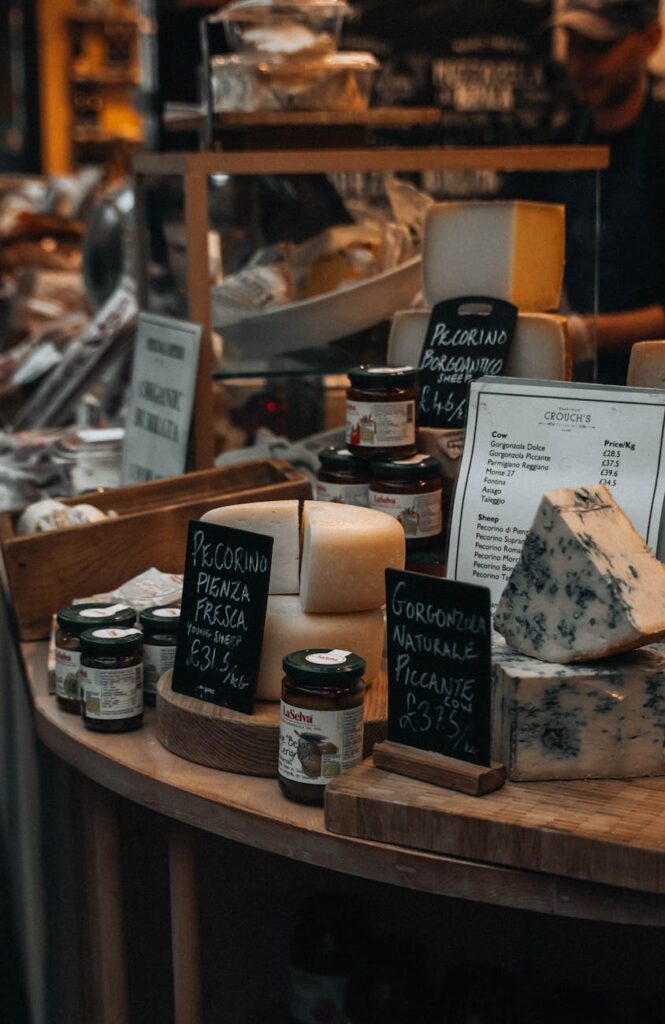
Pecorino Cheese in Traditional Cuisine
Introduction
Pecorino cheese, a staple of Italian gastronomy, embodies a rich tapestry of flavor and tradition. Made primarily from sheep’s milk, this cheese is celebrated not only for its distinctive taste but also for its versatility in various culinary applications. The role of Pecorino in traditional cuisine extends far beyond mere ingredient; it serves as a cultural emblem, linked deeply to the regions of Italy from which it hails. This article explores the multifaceted uses of Pecorino cheese in traditional cuisine, its historical significance, production methods, and practical considerations for both consumers and culinary professionals.
What Is Uses?
The term “uses” in the context of Pecorino cheese refers to the various ways this cheese can be employed in cooking and food preparation. While Pecorino can be enjoyed on its own, its applications span a broad spectrum, from enhancing pasta dishes to enriching sauces and salads. The uses of Pecorino are influenced by its unique characteristics, which vary by aging and region of production. Understanding these applications is essential for anyone looking to appreciate or incorporate this cheese into their culinary repertoire.
History and Origins
Pecorino cheese boasts a storied history that dates back thousands of years. Its roots can be traced to ancient Roman times, where it was a staple in the diet of both the wealthy and the common people. The name “Pecorino” is derived from the Italian word “pecora,” meaning sheep, which highlights its primary ingredient.
Regions such as Lazio, Tuscany, and Sardinia have each contributed to the cheese’s development, with distinct varieties emerging from each locale. For instance, Pecorino Romano, perhaps the most famous type, has been granted Protected Designation of Origin (PDO) status, ensuring that it can only be produced in specific regions under strict guidelines. This historical significance adds layers of depth to its culinary applications, making it not just an ingredient but a reflection of Italian heritage.
Production and Processing
The production of Pecorino cheese involves several key steps, each contributing to its final flavor profile and texture. The process begins with the collection of high-quality sheep’s milk, which is then pasteurized. After pasteurization, the milk is inoculated with specific cultures and rennet, leading to coagulation.
Once the curds form, they are cut into small pieces, allowing whey to drain. The curds are then heated and molded into wheels, which are pressed to achieve the desired consistency. Afterward, the cheese undergoes a salting process, which not only enhances flavor but also aids in preservation.
Aging is a critical factor in the production of Pecorino. Depending on the type, Pecorino can be aged for a few months to over a year. This aging process contributes to the development of its complex flavors, ranging from mild and creamy to sharp and crumbly.
Quality and Grading
Quality and grading are vital aspects of Pecorino cheese, as they impact flavor, texture, and culinary applications. Pecorino is typically classified into several categories based on its age:
1. Pecorino Fresco: A fresh, soft cheese aged for up to 2 months. It is mild and creamy, ideal for salads and light dishes.
2. Pecorino Semistagionato: A semi-aged cheese, usually aged between 2 to 5 months. It has a more pronounced flavor and can be used in a wider range of dishes.
3. Pecorino Stagionato: Aged for over 5 months, this cheese develops a robust, sharp flavor and a firmer texture, making it suitable for grating over pasta or incorporating into sauces.
When purchasing Pecorino, consumers should look for PDO certification, which guarantees authenticity and adherence to traditional production methods. Quality can also be assessed by examining the texture, aroma, and overall appearance of the cheese.
Buying Considerations
When selecting Pecorino cheese, several factors should be taken into account to ensure the best culinary experience:
- Type: Determine which variety of Pecorino suits your intended use. Fresh Pecorino is excellent for salads, while aged varieties are better suited for cooking or serving with robust wines.
- Source: Look for cheeses produced in Italy, particularly those with PDO status. This ensures that you are getting an authentic product.
- Texture and Aroma: High-quality Pecorino should have a consistent texture, whether it’s creamy or firm, and a pleasant aroma that reflects its aging process.
- Packaging: Ensure that the cheese is packaged properly to maintain freshness. Vacuum-sealed packages are preferable for preserving flavor and preventing spoilage.
Uses and Applications
Pecorino cheese has a myriad of uses in traditional cuisine, making it a versatile ingredient in both home cooking and professional kitchens. Here are some of the primary applications:
Pasta Dishes
Pecorino cheese is a quintessential ingredient in many Italian pasta dishes. It is often grated and used to finish classics such as Cacio e Pepe, where its sharpness complements the simple combination of pasta, black pepper, and olive oil.
Risottos and Soups
In risottos and creamy soups, Pecorino can be stirred in at the end of cooking to add richness and depth of flavor. Its ability to melt seamlessly makes it an excellent choice for enriching dishes.
Salads and Appetizers
Fresh Pecorino pairs beautifully with fresh vegetables, fruits, and cured meats, making it a popular addition to antipasto platters and salads. Its mild flavor balances well with bitter greens and tangy dressings.
Sauces
Pecorino cheese can serve as a key ingredient in various sauces, adding a savory note to everything from tomato-based sauces to creamy Alfredo. Its saltiness often reduces the need for additional