
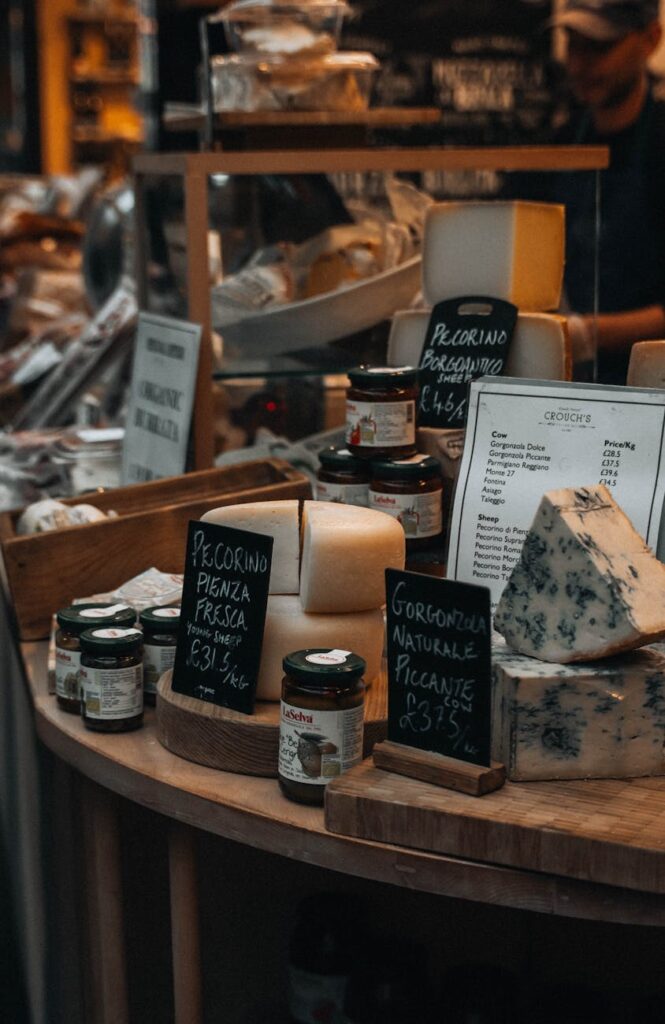
Pecorino Cheese Myths and Misconceptions
Introduction
Pecorino cheese, a staple of Italian cuisine, is often shrouded in myths and misconceptions that can mislead both culinary enthusiasts and casual consumers. This article delves deep into the various facets of Pecorino cheese, from its rich history and production methods to its quality grading and everyday applications. By clarifying common misunderstandings, we aim to enhance your appreciation of this remarkable cheese.
What Is Pecorino Cheese?
Pecorino cheese is a hard, salty Italian cheese made from sheep’s milk. It is a unique product of Italy’s diverse regions, with each area imparting distinct flavors and characteristics. The term “Pecorino” derives from the Italian word “pecora,” meaning sheep, and encompasses several varieties, the most famous being Pecorino Romano, Pecorino Sardo, and Pecorino Toscano. Each type varies in taste, texture, and aging, contributing to its versatility in culinary applications.
History and Origins
The origins of Pecorino cheese can be traced back to ancient Rome, where it was a common food among soldiers and the working class. The practice of making cheese from sheep’s milk has been documented for thousands of years, with evidence suggesting that it was made even before the Roman Empire.
Over time, different regions of Italy developed their own styles of Pecorino, influenced by local sheep breeds, grazing conditions, and traditional cheese-making techniques. For instance, Pecorino Romano, hailing from the Lazio region, gained prominence as a staple for pasta dishes, while Pecorino Sardo, from Sardinia, is known for its distinct flavor profile influenced by the island’s unique climate.
Production and Processing
The production of Pecorino cheese involves a meticulous process that preserves the quality and flavor of the sheep’s milk. The cheese-making process typically includes the following steps:
1. Milk Collection: Fresh sheep’s milk is collected, often from local farms, to ensure quality and freshness.
2. Curdling: The milk is heated and combined with rennet, a natural enzyme that facilitates curd formation. This step is crucial in developing the cheese’s texture.
3. Cutting and Cooking: Once curds form, they are cut into small pieces and gently cooked to expel whey.
4. Molding: The curds are then placed into molds where they drain further and take shape.
5. Salting: After the cheese is removed from the molds, it is salted, either dry-salted or brined, which enhances flavor and aids preservation.
6. Aging: Pecorino is aged for varying lengths of time, from a few months to several years, which intensifies its flavor and alters its texture.
The specific aging process and conditions also play a significant role in the final product’s characteristics. For example, younger Pecorino is softer and milder, while aged varieties become hard and develop stronger, nuttier flavors.
Quality and Grading
Quality and grading are essential aspects of Pecorino cheese that can sometimes confuse consumers. The Italian government has instituted strict regulations governing the production of Pecorino, particularly for those labeled as “DOP” (Denominazione di Origine Protetta), which signifies that the cheese is produced in a specific geographical area using traditional methods.
Factors influencing quality include:
- Milk Source: The breed of sheep and their diet contribute significantly to the flavor profile of the cheese.
- Aging: The duration and method of aging can affect texture and taste. Aged Pecorino tends to be firmer and more robust in flavor.
- Environmental Conditions: The specific conditions in which the cheese is aged, including humidity and temperature, can also influence its final characteristics.
- Pasta Dishes: Pecorino Romano is a classic choice for grating over pasta, particularly for traditional Roman dishes like Cacio e Pepe or Pasta all’Amatriciana.
- Salads: Shaved Pecorino can add a delightful salty finish to salads, enhancing both flavor and texture.
- Cheese Boards: Aged Pecorino varieties pair beautifully with fruits, nuts, and honey, making them a great addition to cheese platters.
- Cooking: Pecorino can be melted into sauces, incorporated into risottos, or used as a finishing touch for various dishes.
DOP-certified Pecorino cheeses are subject to rigorous testing and must meet specific standards to ensure their authenticity and quality.
Buying Considerations
When purchasing Pecorino cheese, several factors should be considered to ensure you select the best product:
1. Type: Familiarize yourself with the different varieties of Pecorino, such as Pecorino Romano, Pecorino Sardo, and Pecorino Toscano. Each type has unique flavors and uses.
2. Aging: Consider the aging process. Younger Pecorino is milder, while aged versions are more intense and complex.
3. Source: Look for DOP-certified Pecorino to ensure you are buying an authentic product. Check the label for indications of quality and origin.
4. Texture: The texture of Pecorino can vary from crumbly to creamy. Choose based on your intended use—hard varieties are excellent for grating, while softer types can be used for slicing and snacking.
5. Flavor Profile: Taste preferences vary widely. If possible, sample different types of Pecorino to find your favorite.
Uses and Applications
Pecorino cheese is incredibly versatile, lending itself to various culinary applications. It is often used in:
Its robust flavor and firm texture also make it suitable for pairing with wines, particularly bold reds, which can balance the cheese’s saltiness.