
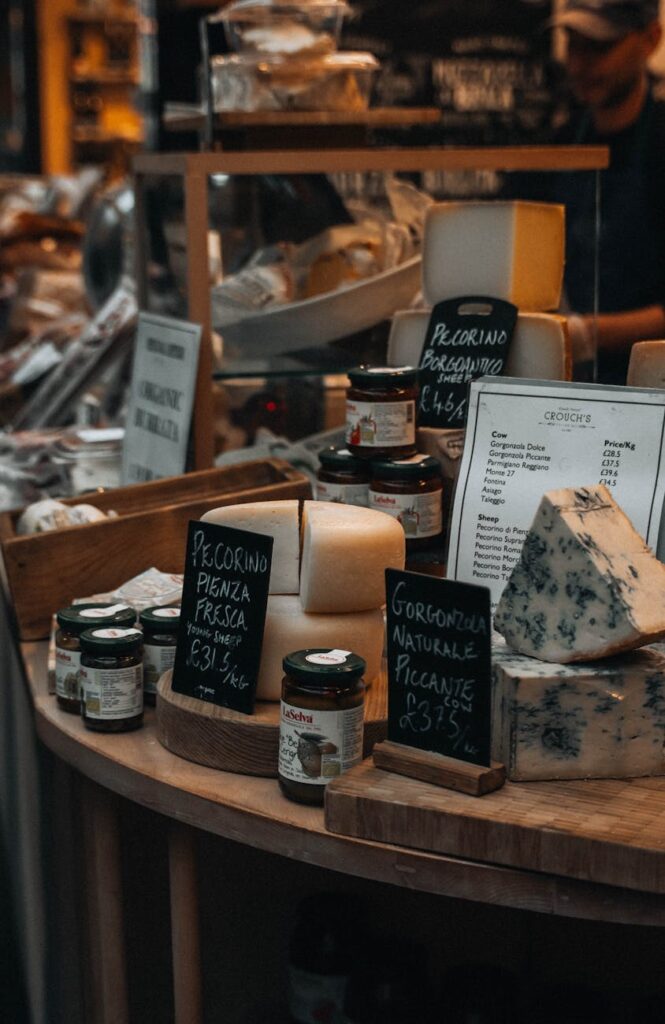
Pecorino Cheese: Origins and Evolution
Introduction
Pecorino cheese, a staple of Italian cuisine, has a rich history that intertwines with the pastoral traditions of the Mediterranean. Renowned for its robust flavor and versatility, this sheep’s milk cheese has become a beloved ingredient in culinary circles worldwide. In this article, we will explore the origins, production methods, and cultural significance of Pecorino cheese, along with practical considerations for purchasing, storing, and using this esteemed ingredient.
What Is Pecorino Cheese?
Pecorino cheese refers to a family of Italian cheeses made from sheep’s milk, known as “pecora” in Italian. The term encompasses several varieties, each with distinct characteristics depending on the region of production and the aging process. The most famous types include Pecorino Romano, Pecorino Sardo, and Pecorino Toscano. Typically, Pecorino cheese features a firm texture and a savory, sometimes tangy flavor, making it an excellent choice for grating, slicing, or enjoying on its own.
History and Origins
The origins of Pecorino cheese can be traced back to ancient Rome, where sheep farming was a common practice. Historical texts indicate that shepherds created cheese as a means of preserving milk, which was abundant in the pastoral landscapes of Italy. The first documented references to Pecorino date back to the 1st century BCE, suggesting that this cheese has been enjoyed for over two millennia.
The production of Pecorino evolved alongside the Italian regions that developed their distinct styles and methods. For instance, Pecorino Romano, often considered the most famous variety, originates from the Lazio region and has been granted Denominazione di Origine Protetta (DOP) status, ensuring that only cheese made in specific areas can be labeled as such. Likewise, Pecorino Sardo and Pecorino Toscano have their own unique histories tied to Sardinia and Tuscany, respectively.
Production and Processing
The production of Pecorino cheese follows a traditional process that begins with the milking of sheep, typically of the breed known as “Sarda” or “Comisana.” After milking, the milk is heated and combined with rennet, a coagulating enzyme. The curds form and are then cut into small pieces to facilitate whey drainage.
Once the curds are drained, they are placed in molds, where they are pressed to achieve the desired shape and density. The cheese is then salted, either by dry salting or brining, which enhances flavor and aids in preservation. Aging, or affinage, is a crucial step, as it allows the cheese to develop its characteristic flavors and textures. Depending on the variety and desired taste profile, Pecorino may be aged for a few months to several years.
Quality and Grading
The quality of Pecorino cheese is determined by several factors, including the quality of the milk, the skill of the cheesemaker, and adherence to traditional production methods. DOP designation plays a significant role in quality assurance, as it mandates strict regulations regarding production practices and geographical authenticity.
When purchasing Pecorino, look for indications of age. Young Pecorino, aged for approximately 5 months, tends to be milder and creamier, while aged varieties, typically over 8 months, exhibit sharper, more complex flavors. The cheese should have a firm, slightly crumbly texture and a rich, aromatic quality that varies depending on its age and region.
Buying Considerations
When selecting Pecorino cheese, consider the following factors:
1. Type: Familiarize yourself with the different varieties—Pecorino Romano, Sardo, Toscano, and others—each offering unique flavor profiles and textures.
2. Aging: Determine your preference for younger versus aged Pecorino. Younger cheeses are great for melting and cooking, while aged versions are ideal for grating or serving on cheese boards.
3. Storage Conditions: Ensure that the cheese has been stored properly. Look for signs of quality, such as a firm texture and a pleasant aroma.
4. Source: Purchase from reputable producers or specialty cheese shops that prioritize artisanal methods and high-quality milk.
5. Regional Authenticity: Opt for DOP-certified cheeses to guarantee authenticity and adherence to traditional production practices.
Uses and Applications
Pecorino cheese is celebrated for its versatility in the kitchen. Here are some common uses:
- Grating: Aged Pecorino is often grated over pasta dishes, risottos, and salads, adding depth and umami to the dish.
- Cheese Boards: Its robust flavor makes it an excellent addition to cheese boards, paired with fruits, nuts, and cured meats.
- Cooking: Young Pecorino can be used in cooking, melting beautifully in sauces or baked dishes.
- Snacking: Slices of Pecorino can be enjoyed on their own, accompanied by bread or crackers for a delightful snack.
Storage and Shelf Life
To maintain the quality of Pecorino cheese, proper storage is essential. It is best stored in the refrigerator, wrapped in wax paper or parchment rather than plastic wrap, which can trap moisture and lead to spoilage. A cheese dome or airtight container can also help maintain optimal humidity levels.
Generally, Pecorino cheese has a shelf life of several months when stored correctly. However, its flavor and texture will continue to evolve, particularly as it ages. Always check for signs of spoilage, such as off odors or mold that is not typical for aged cheeses.
Common Misconceptions
Despite its popularity, several misconceptions about Pecorino cheese persist:
1. All Pecorino is the Same: Not all Pecorino cheeses are identical; each variety has unique characteristics influenced by regional practices and aging methods.
2. Pecor