
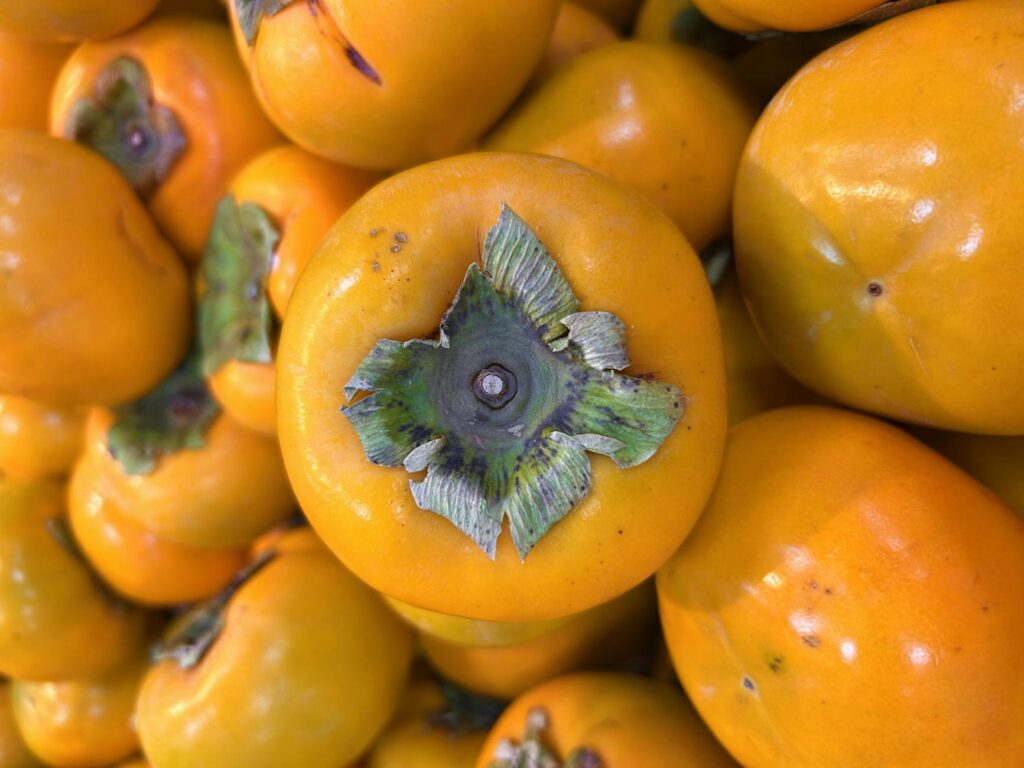
Persimmons Cultivation Explained
Introduction
Persimmons, with their vibrant orange hue and unique flavor profile, have captured the attention of culinary enthusiasts and agriculturalists alike. As the demand for diverse and exotic fruits grows, understanding the cultivation of persimmons becomes increasingly pertinent. This article aims to provide an in-depth exploration of persimmons, covering aspects from their history and origins to their production, quality grading, and storage practices.
What Is Growing?
Growing refers to the process of cultivating plants, involving various practices that support their development from seeds or seedlings to mature fruit-bearing trees. In the context of persimmons, growing encompasses selection of suitable varieties, soil preparation, planting, care, and harvesting. Successful cultivation requires a comprehensive understanding of the environmental conditions that favor persimmon growth, as well as the management practices that enhance fruit quality.
History and Origins
The persimmon, particularly the species Diospyros kaki, is native to East Asia, with its earliest cultivation tracing back over 2,000 years in China. The name “persimmon” is derived from the Powhatan language, reflecting the fruit’s introduction to North America by European settlers. Today, persimmons are widely cultivated in various regions, including Korea, Japan, and the United States, particularly in California.
The fruit comes in two primary varieties: astringent and non-astringent. Astringent varieties, such as ‘Sharon Fruit,’ must be fully ripe to be palatable, while non-astringent types, like ‘Fuyu,’ can be consumed while still firm. This diversity in flavor and texture has made persimmons a versatile ingredient in global cuisines.
Production and Processing
Cultivation Practices
Persimmons thrive in temperate climates with well-drained soil, preferably sandy loam enriched with organic matter. The optimal pH level for soil should be between 6.0 and 7.0. These trees can tolerate drought conditions but perform best with regular irrigation, especially during the flowering and fruit-setting periods.
Propagation
Persimmons can be propagated through seeds, grafting, or budding. Grafting onto rootstocks can enhance disease resistance and improve fruit quality. When planting, it’s crucial to consider spacing; persimmon trees typically require 20 to 30 feet between each tree to ensure adequate sunlight and air circulation.
Harvesting
Depending on the variety, persimmons are generally harvested in late fall. Astringent varieties should be fully colored and soft, while non-astringent types can be harvested when they are still firm but have reached their mature color. Careful handling during harvesting is essential to avoid bruising, which can affect the fruit’s quality and marketability.
Processing
Post-harvest processing involves washing, sorting, and packing the fruits. Astringent varieties may require ripening treatments, such as exposure to ethylene gas, to enhance palatability. Non-astringent persimmons can be marketed directly after sorting.
Quality and Grading
Quality assessment of persimmons is vital for market acceptance. Key factors include size, color, firmness, and the absence of blemishes or bruises. The United States Department of Agriculture (USDA) sets specific grading standards for commercial persimmons. Generally, fruits are classified into three categories: U.S. Fancy, U.S. No. 1, and U.S. No. 2, based on their overall quality.
Size and Color
Larger, uniformly colored fruits without blemishes are preferred. The ideal color for ripe persimmons varies by variety, but a vibrant orange is generally sought after.
Firmness
Firmness is an essential quality indicator. Non-astringent varieties should remain firm at harvest, while astringent types should be soft but not overly mushy.
Buying Considerations
When purchasing persimmons, consumers should consider the following:
1. Variety: Select between astringent and non-astringent types based on intended use. Non-astringent varieties are more versatile for immediate consumption.
2. Ripeness: Check for firmness; astringent varieties should be soft, while non-astringent ones can be eaten while firm.
3. Appearance: Look for uniform color and avoid fruits with blemishes or signs of decay.
4. Source: Prefer local or organic sources to ensure freshness and minimize environmental impact.
Uses and Applications
Persimmons are not only enjoyed fresh but also find their way into various culinary applications.
Culinary Uses
Fresh persimmons can be consumed as a snack or added to salads for a burst of flavor. Their sweetness pairs well with savory dishes, particularly in salads or as a component in cheese boards. Dried persimmons, often rehydrated, can be used in pastries, compotes, or as a natural sweetener in various recipes.
Non-Culinary Uses
Beyond the kitchen, persimmons have found applications in natural dyes due to their rich pigments. Additionally, the wood of the persimmon tree is prized for its hardness and is used in fine woodworking and instrument making.
Storage and Shelf Life
Proper storage is crucial to maintaining the quality of persimmons.
Fresh Persimmons
Fresh, firm persimmons should be stored at room temperature until they ripen. Once ripe, they can be refrigerated for up to a week. Astringent varieties should be consumed shortly after ripening for optimal flavor.
Dried Persimmons
Dried persimmons, often found in specialty stores, can last for several months when stored in a cool, dark place. Properly sealed in airtight containers, they can maintain their quality for up to a year.
Common Misconceptions
Persimmons Are Only Available in Fall
While persimmons are typically harvested in the fall, many varieties can be stored and marketed throughout the winter months, extending their availability.