
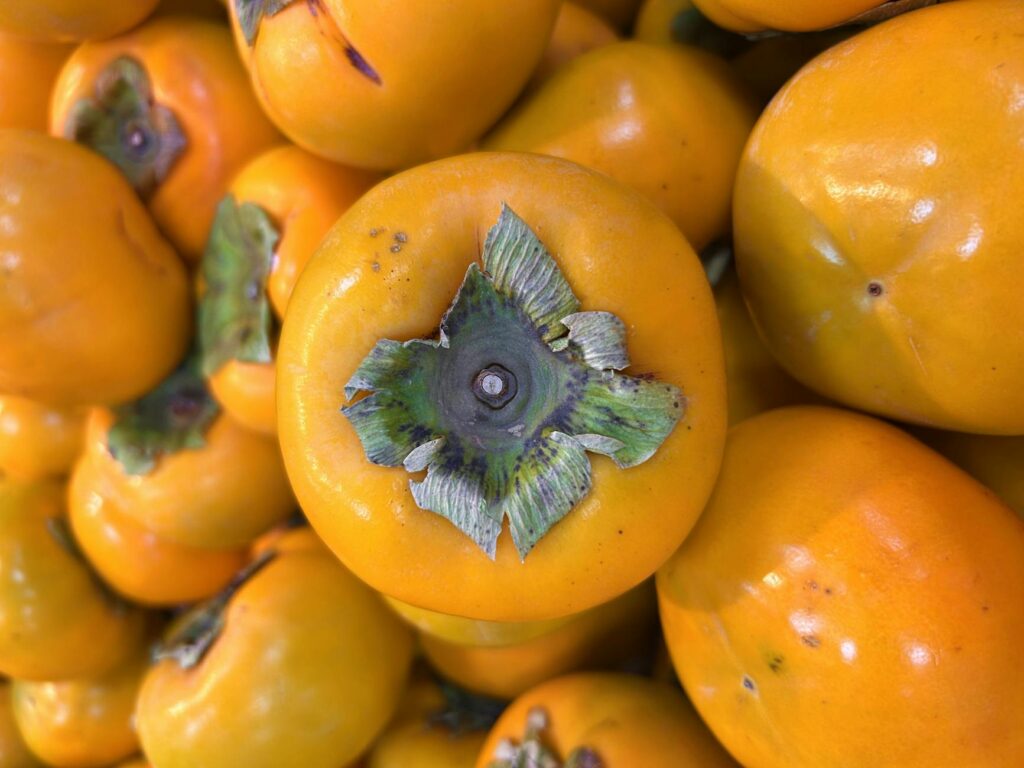
Persimmons Grading Explained
Introduction
Persimmons, often regarded as a delicacy in various culinary traditions, are sweet, flavorful fruits that have gained popularity worldwide. This article delves into the grading of persimmons, an essential aspect for buyers looking to select the best quality fruits. Understanding the grading process not only aids in making informed purchasing decisions but also enhances the overall appreciation of this unique fruit.
What Is Buying?
Buying, in the context of food ingredients, refers to the process of selecting and procuring food items based on quality, price, and availability. For persimmons, this involves understanding their grading system, which categorizes them based on various characteristics such as size, color, texture, and ripeness. A well-informed buyer can navigate the market more effectively, ensuring that they choose fruits that meet their desired standards for flavor, appearance, and use.
History and Origins
Persimmons are native to East Asia, with the earliest cultivation believed to have occurred in China over 2,000 years ago. They were later introduced to Japan and Korea, where they became integral to local cultures and cuisines. The fruit is now cultivated in various regions around the globe, including the United States, particularly in California, where the climate is conducive to their growth.
The two primary species of persimmons are Diospyros kaki, known as the Japanese persimmon, and Diospyros virginiana, or the American persimmon. The former has gained prominence in global markets due to its sweet flavor and smooth texture. Historically, persimmons have been celebrated not only for their taste but also for their versatility, appearing in desserts, salads, and even savory dishes.
Production and Processing
The production of persimmons begins with careful cultivation practices. The trees thrive in well-drained soil and require a temperate climate with distinct seasons. Harvesting typically occurs in late fall, when the fruits have reached full maturity.
Post-harvest, persimmons undergo processing that may include washing, sorting, and packaging. These steps are crucial for maintaining quality and extending shelf life. During sorting, fruits are categorized based on size and quality parameters, which is essential for the grading process.
Quality and Grading
Quality and grading are pivotal in the buying process for persimmons. The grading system typically categorizes fruits into several classes based on criteria such as:
1. Size: Larger persimmons are often considered more desirable. Grading typically includes size categories that range from small to extra-large.
2. Color: A vibrant orange or yellow hue is indicative of ripeness and quality. Grading assesses the uniformity and richness of color.
3. Texture: The fruit should have a smooth skin free from blemishes and imperfections. Grading focuses on the skin’s integrity and the firmness of the flesh.
4. Ripeness: Persimmons can be either astringent or non-astringent, and their ripeness affects their taste. Grading considers the level of ripeness, with non-astringent varieties being preferred when firm and astringent varieties being judged based on their softness.
5. Flavor: While subjective, flavor can be assessed through sensory evaluation, often influencing buyer preferences.
The United States Department of Agriculture (USDA) has established grading standards for persimmons that help buyers understand the quality they can expect. Fruits are typically classified into grades such as U.S. Fancy, U.S. No. 1, and U.S. No. 2, with U.S. Fancy representing the highest quality.
Buying Considerations
When purchasing persimmons, several considerations come into play:
- Variety: Knowing the difference between astringent and non-astringent varieties is crucial. Non-astringent types, like Fuyu, can be eaten while still firm, while astringent varieties, like Hachiya, must be fully ripe to be palatable.
- Seasonality: Persimmons are typically in season from late September to December, and understanding their availability can help buyers make timely purchases.
- Source: Buying from reputable growers or markets that specialize in fresh, high-quality produce can significantly influence the quality of persimmons.
- Organic vs. Conventional: Organic persimmons may be preferred by consumers seeking fruits grown without synthetic pesticides or fertilizers.
- Storage and Handling: Understanding how persimmons should be stored after purchase can affect their shelf life and quality.
- All Persimmons Are Astringent: Not all persimmons are astringent. Non-astringent varieties can be consumed while still firm, making them more versatile for immediate consumption.
- Persimmons Are Only for Desserts: While they are often associated with sweet dishes, persimmons can
Uses and Applications
Persimmons are versatile fruits that can be used in various culinary applications. They can be eaten fresh, dried, or cooked. Fresh persimmons serve as a delightful addition to salads, desserts, and cheese platters. Dried persimmons are often used in trail mixes or as a sweet snack.
In addition to their culinary uses, persimmons are sometimes utilized in traditional medicine and as a natural dye. Their unique flavor profile makes them suitable for pairing with a wide range of ingredients, enhancing both sweet and savory dishes.
Storage and Shelf Life
The storage and shelf life of persimmons depend on their ripeness at the time of purchase. Unripe, astringent persimmons can be stored at room temperature until they soften, while ripe, non-astringent varieties can be refrigerated to extend their freshness.
Generally, persimmons have a shelf life of about one to two weeks when stored properly. It’s essential to check for signs of spoilage, such as excessive softness or discoloration, which can indicate that the fruit is past its prime.
Common Misconceptions
Several misconceptions surround persimmons that can mislead buyers: