
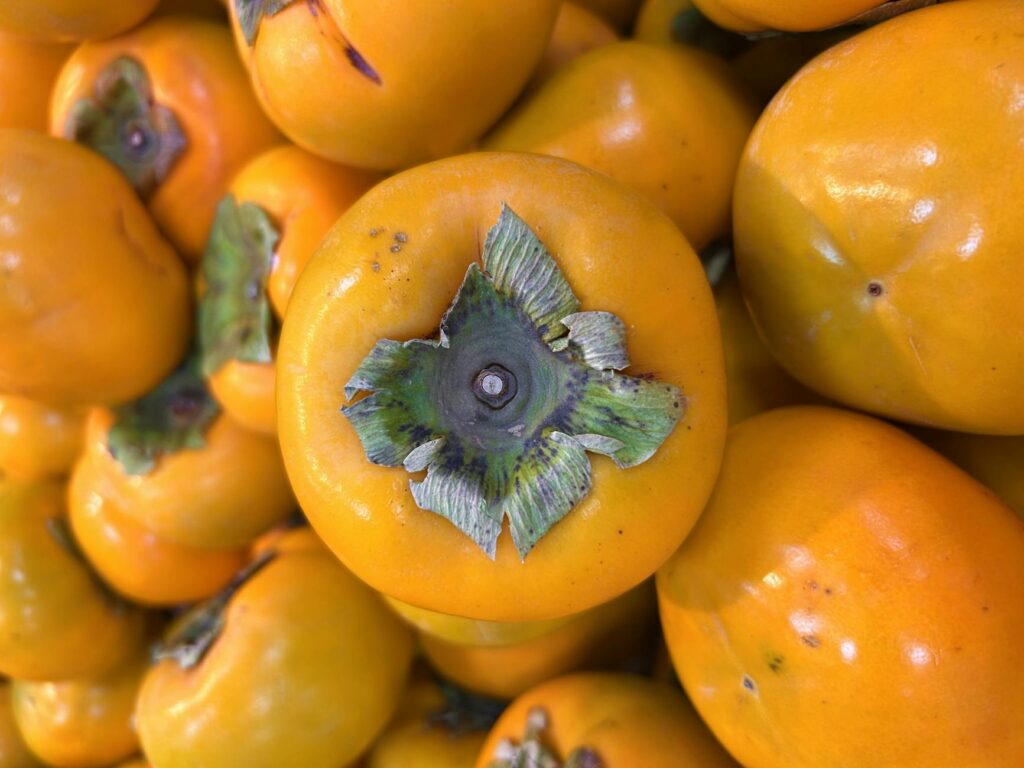
Persimmons Myths and Misconceptions
Introduction
Persimmons, often referred to as the “fruit of the gods,” boast a rich history, unique flavor, and numerous culinary applications. Despite their growing popularity in global cuisine, persimmons are often surrounded by myths and misconceptions that can cloud their reputation. This article aims to debunk these myths and provide a comprehensive understanding of this fascinating fruit.
What Is Guides?
Guides in the context of food ingredients serve as an authoritative source of information, helping consumers, chefs, and food enthusiasts navigate the complexities surrounding various ingredients. These guides typically encompass aspects such as history, production, quality standards, and culinary uses, providing a holistic view of the ingredient in question. For persimmons, a guide helps elucidate their diverse varieties, culinary potential, and the common misunderstandings that can arise regarding this unique fruit.
History and Origins
The persimmon tree (Diospyros) has its roots in East Asia, with historical records tracing its cultivation back over 2,000 years. Originally found in regions of China, persimmons have gradually spread across the globe, with notable cultivation in South Korea, Japan, and the United States. The fruit is divided into two primary categories: astringent and non-astringent. Astringent varieties, like the Hachiya, must be fully ripened to be palatable, while non-astringent types, such as the Fuyu, can be enjoyed while still firm.
Persimmons were introduced to the Americas in the 19th century, where they adapted well to various climates, particularly in California. Today, they are celebrated not only for their sweet, honey-like flavor but also for their nutritional benefits, making them a staple in many culinary traditions.
Production and Processing
The production of persimmons is a meticulous process that requires careful attention to climate, soil, and harvesting techniques. Persimmons thrive in regions with well-drained soil and ample sunlight, making California one of the leading producers in the United States. Harvesting typically occurs in late fall, when the fruit has reached maturity but before frost sets in.
Post-harvest processing involves washing, grading, and packing the fruit. Astringent varieties are often treated to expedite the softening process, making them more palatable. This can involve ethylene gas exposure or controlled ripening techniques. Non-astringent persimmons may be sold fresh or dried, with the latter extending their shelf life and enhancing their flavor profile.
Quality and Grading
Quality and grading of persimmons are essential aspects that influence consumer choice and market value. The United States Department of Agriculture (USDA) has established guidelines for grading persimmons based on size, color, firmness, and absence of defects.
Grade A persimmons are characterized by their vibrant color, smooth skin, and firmness, while lower grades may exhibit blemishes or irregular shapes. The grading system helps ensure that consumers have access to high-quality fruit, which in turn supports fair pricing and market stability.
Buying Considerations
When purchasing persimmons, it’s essential to consider the type of fruit and its ripeness. Astringent varieties should be selected when they have turned a deep orange and are soft to the touch, indicating that they are ready to eat. In contrast, non-astringent varieties can be consumed while still firm, offering a crisp texture that can be enjoyed in salads or as snacks.
Consumers should also look for persimmons that are free from bruises or blemishes. Seasonal availability is another factor to keep in mind; persimmons are typically harvested from September to December, making them a prized ingredient during the fall months.
Uses and Applications
Persimmons are versatile ingredients that can be incorporated into a variety of dishes, thanks to their unique flavor and texture. Their sweet, honey-like taste makes them an excellent addition to salads, desserts, and even savory dishes.
In many culinary traditions, persimmons are enjoyed raw, sliced into salads, or used as a topping for yogurt and desserts. Dried persimmons are popular in many Asian cuisines and can be added to soups and rice dishes for a burst of flavor. The fruit can also be pureed for use in sauces, jams, and even beverages, showcasing its culinary adaptability.
Storage and Shelf Life
Proper storage is crucial for maintaining the quality and flavor of persimmons. Astringent persimmons should be stored at room temperature until they reach the desired softness. Once ripe, they can be refrigerated to prolong their shelf life for up to a week.
Non-astringent varieties can be stored at room temperature for several days but may last longer if refrigerated. For extended storage, dried persimmons can be kept in a cool, dark place and can last for months, making them a convenient ingredient to have on hand year-round.
Common Misconceptions
Despite their growing popularity, persimmons are often misunderstood. Here are some of the most common misconceptions:
1. All Persimmons Are Astringent:
One of the most prevalent myths is that all persimmons are astringent and must be fully ripened before consumption. While astringent varieties like the Hachiya do require full ripeness for palatability, non-astringent varieties, such as the Fuyu, can be eaten while still firm.
2. Persimmons Are Only Available in Fall:
While persimmons are indeed a seasonal fruit, they can be found in various forms year-round. Dried persimmons, in particular, are available at many grocery stores and can be enjoyed outside of their harvest season.
3. Persimmons Are Difficult to Prepare:
Some people believe that persimmons require complicated preparation methods. In reality, they are quite simple to prepare. Astringent types need to be fully ripe before eating, while non-astringent varieties can be sliced and enjoyed raw.
4. Persimmons Are Unhealthy: