
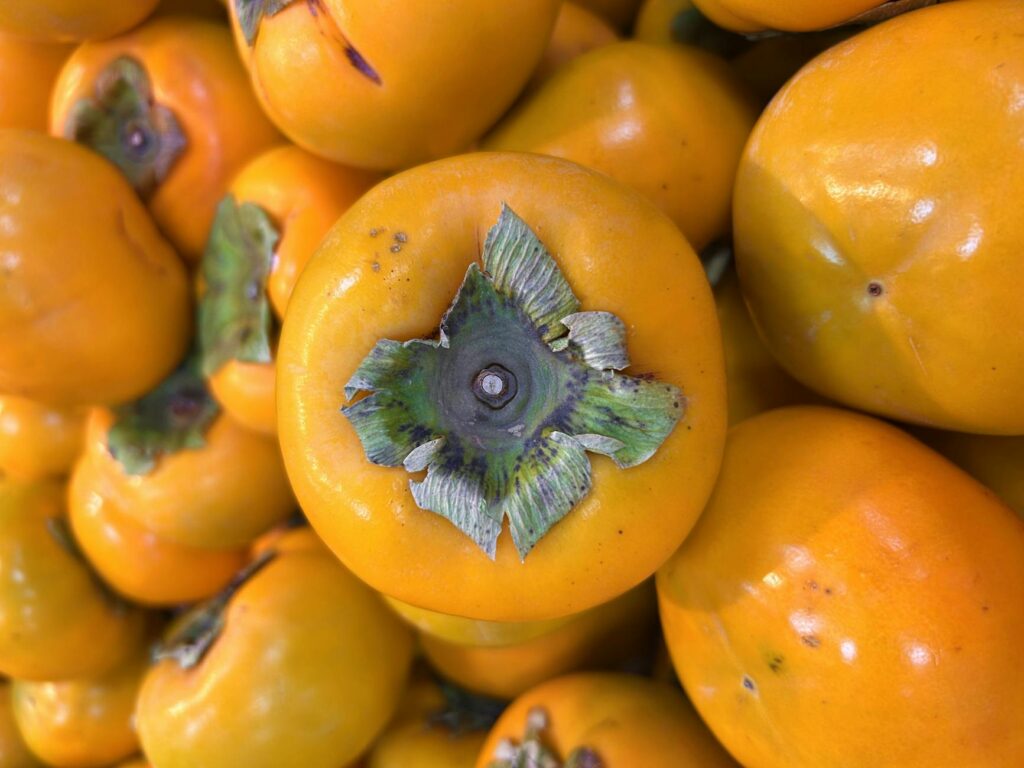
Persimmons Production by Country
Introduction
Persimmons, often regarded as a jewel of the fruit world, have gained popularity due to their unique flavor, vibrant color, and numerous culinary applications. With origins tracing back thousands of years, these fruits are cultivated in various regions across the globe. This article delves into the production of persimmons by country, shedding light on their distinct characteristics, cultivation practices, and the global landscape of persimmon production.
What Is Regions?
In the context of agricultural products like persimmons, “regions” refer to the geographic areas where specific varieties are cultivated. Each region possesses its own climatic conditions, soil types, and cultural practices that influence the growth and quality of persimmons. Understanding these regions is crucial for appreciating the diversity of persimmons available in the market and the factors that affect their production.
History and Origins
Persimmons belong to the genus Diospyros, with the most well-known species being Diospyros kaki, or the Asian persimmon. Native to East Asia, particularly China, persimmons have been cultivated for over 2,000 years. Legend has it that these fruits were introduced to Japan in the 8th century, where they were embraced for their sweetness and nutritional value.
Over the centuries, persimmons spread across Asia and into other parts of the world. The United States saw its first persimmon trees in the mid-19th century, primarily introduced by botanist William H. Houghton. Today, persimmons are cultivated in numerous countries, each contributing to the global market in unique ways.
Production and Processing
Major Producing Countries
1. China: As the world’s largest producer of persimmons, China accounts for approximately 70% of global production. The primary growing regions include Shandong, Shaanxi, and Henan provinces. The Chinese persimmon industry has developed various cultivation techniques, leading to the production of both astringent and non-astringent varieties.
2. South Korea: South Korea is known for its high-quality persimmons, particularly the Danja variety, which is celebrated for its sweetness and texture. The country has implemented advanced agricultural practices, including the use of controlled environments and drip irrigation, to enhance production efficiency.
3. Japan: Japan is famous for its Fuyu persimmons, which are non-astringent and can be eaten fresh. The country also has a rich tradition of persimmon cultivation, with varieties like Shibu and Kaki, which are often dried to create a popular snack.
4. United States: In the U.S., persimmons are primarily grown in California, which has the ideal climate for both astringent and non-astringent varieties. The Hachiya and Fuyu persimmons are the most commonly cultivated and sold in local markets.
5. Brazil: As one of the emerging producers, Brazil has been expanding its persimmon cultivation, particularly in regions like São Paulo. The Brazilian market has seen a growing interest in persimmons, driven by their health benefits and unique flavor profile.
Processing Techniques
Persimmons can be consumed fresh, dried, or processed into various products such as jams and jellies. The drying process is especially significant in places like Japan and Korea, where dried persimmons, known as gotgam and danja, are traditional snacks. The drying process enhances the natural sweetness and extends shelf life, making them a popular choice for both local consumption and export.
Quality and Grading
The quality of persimmons is determined by several factors, including size, color, firmness, and sugar content. Most countries adhere to specific grading standards to ensure consumers receive high-quality fruits.
Grading Systems
- United States: The USDA establishes grading standards for persimmons, categorizing them into grades such as U.S. No. 1 and U.S. No. 2 based on criteria like appearance and maturity.
- Japan: In Japan, persimmons are graded based on a combination of size, shape, and sweetness. The highest grades, often used for gifting, command premium prices.
- Fresh Consumption: Non-astringent varieties are often enjoyed raw in salads, smoothies, or as snacks.
- Dried Persimmons: Dried versions are popular in Asian cuisine and can be used in desserts, trail mixes, or as a sweet topping for yogurt and oatmeal.
- Culinary Pairings: Persimmons pair well with flavors such as cinnamon, vanilla, and citrus, making them a popular choice for seasonal dishes.
Producers often emphasize quality control throughout the cultivation and harvesting processes, ensuring that the fruits meet the expected standards before reaching the market.
Buying Considerations
When purchasing persimmons, it is essential to consider the following factors:
1. Variety: Depending on your preference, choose between astringent varieties like Hachiya, which need to be fully ripe, or non-astringent varieties like Fuyu, which can be eaten while still firm.
2. Ripeness: A ripe persimmon will have a deep orange color and yield slightly to pressure. Astringent varieties should be soft, while non-astringent types can be firm.
3. Origin: Knowing where the persimmons are grown can provide insights into their quality and flavor profile. Local and organic options are often recommended for freshness.
4. Storage: Consider how you plan to store and consume the persimmons. Fresh fruits should be kept in a cool, dry place or refrigerated for extended freshness.
Uses and Applications
Persimmons are incredibly versatile and can be used in various culinary applications. They can be eaten fresh, dried, or incorporated into salads, desserts, and savory dishes.