
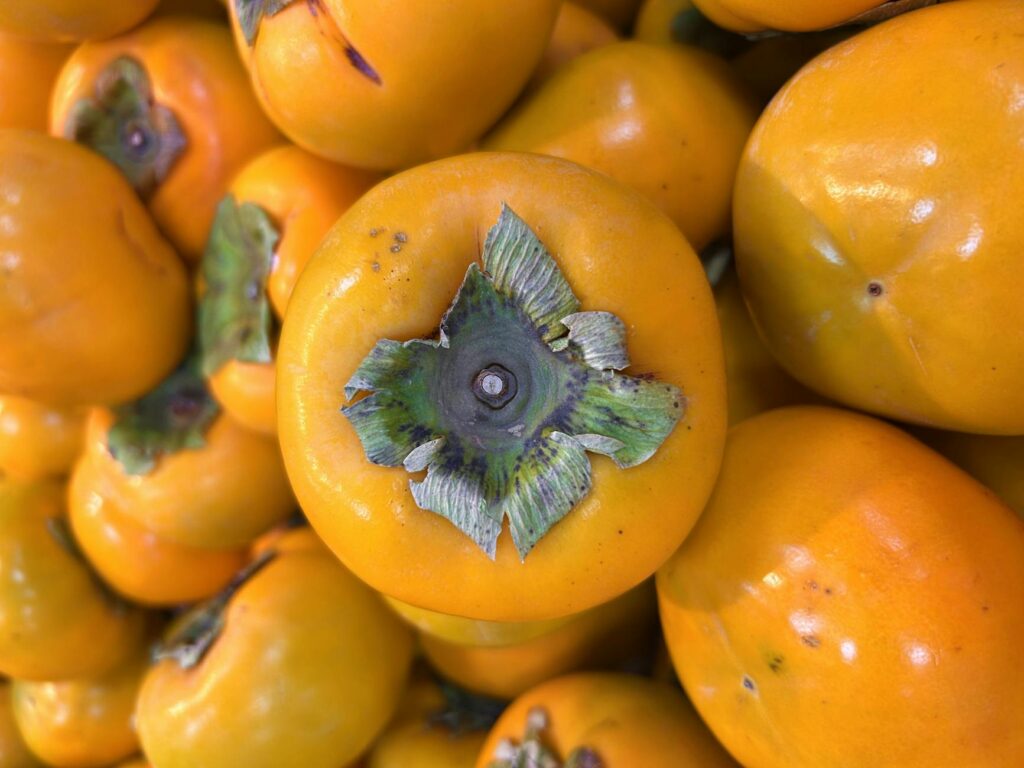
Persimmons Regions Guide Part 6
Introduction
Persimmons, with their vibrant orange hue and sweet, honey-like flavor, have captivated the palates of diverse cultures around the world. This versatile fruit, belonging to the genus Diospyros, boasts a rich history and a variety of regional characteristics that influence its flavor, texture, and culinary applications. As we delve into the regions renowned for persimmon cultivation, we will explore their historical significance, production practices, quality standards, and much more.
What Is Regions?
In the context of food ingredients, “regions” refers to the geographical areas where specific varieties of a particular ingredient are cultivated. Each region imparts unique environmental factors—such as climate, soil composition, and local agricultural practices—that shape the characteristics of the ingredient itself. Understanding the regional differences in persimmons is essential for appreciating their diverse flavors and uses in global cuisines.
History and Origins
Persimmons trace their roots back to East Asia, particularly in countries like China and Japan, where they have been cultivated for over 2,000 years. The earliest references to persimmons can be found in ancient Chinese texts, where they were revered not only for their delightful taste but also for their cultural significance.
The fruit made its way to Japan, where it became a crucial element in traditional cuisine. Various cultivars emerged, leading to the development of distinct varieties, such as the Japanese Kaki and the American Persimmon (Diospyros virginiana). The global distribution of persimmons expanded significantly in the 19th century when they were introduced to North America and other parts of the world, adapting to new climates and agricultural practices.
Production and Processing
Persimmon production is predominantly concentrated in East Asia, with China being the largest producer, accounting for more than 70% of the global supply. Other significant producers include South Korea, Japan, and the United States. Each region employs unique cultivation methods influenced by local climate, terrain, and traditional practices.
Cultivation Practices
Persimmons thrive in well-drained soil with adequate sunlight. Depending on the region, growers may utilize techniques such as grafting to improve fruit quality or organic farming methods to enhance flavor profiles. Harvesting is typically done by hand to ensure that the delicate fruits are not bruised, and timing is crucial, as persimmons can be harvested at different stages of ripeness depending on the intended use.
Processing Techniques
After harvesting, persimmons undergo various processing methods, such as drying and fermenting, which are prevalent in regions like Japan and South Korea. Dried persimmons, known as danja in Korea and hoshigaki in Japan, are cherished for their concentrated sweetness and chewy texture. These processes not only enhance the fruit’s shelf life but also amplify the unique flavors inherent to the regional varieties.
Quality and Grading
The quality and grading of persimmons depend on several factors, including size, color, firmness, and absence of blemishes. In general, persimmons are classified into two main categories: astringent and non-astringent.
- Astringent Persimmons: These varieties, such as the Danja, are high in tannins when unripe, making them taste bitter until fully ripe. They are often harvested when fully mature and allowed to soften before consumption.
- Non-Astringent Persimmons: Varieties like the Fuyu can be eaten while still firm. They are less tannic and have a sweeter flavor profile, making them a popular choice in fresh fruit markets.
- Fresh Eating: The most straightforward way to enjoy persimmons is to consume them raw. Their sweetness pairs beautifully with cheese, nuts, and salads.
- Cooking and Baking: Persimmons can be roasted or used in baked goods, such as cakes and muffins, adding a unique flavor and moisture.
- Preserves and Jams: The natural sweetness of persimmons makes them an excellent candidate for preserves and jams, which can be enjoyed year-round.
- Dried Snacks: Dried persimmons are a popular snack in many cultures, offering a chewy texture and concentrated sweetness.
- Fermented Products: In some regions, persimmons are fermented to create unique beverages or condiments, showcasing their adaptability.
- Fresh Persimmons: Store unripe persimmons at room temperature until they soften. Once ripe, they can be refrigerated for up to a week.
- Dried Persimmons: Keep dried persimmons in an
Grading standards vary by region, but most markets adhere to criteria set by agricultural departments or industry organizations. The best quality persimmons are usually large, bright in color, and free from any physical defects.
Buying Considerations
When purchasing persimmons, several factors should be taken into account to ensure you select the best quality fruit:
1. Variety: Familiarize yourself with the available varieties in your region. Non-astringent types are typically preferred for fresh consumption, while astringent types are often sought after for drying.
2. Ripeness: Assess the firmness of the fruit. Non-astringent persimmons can be eaten while firm, while astringent types should be fully ripe and soft to the touch.
3. Appearance: Look for vibrant color and smooth skin. Avoid fruits with blemishes, dark spots, or signs of decay.
4. Origin: Knowing where the persimmons are sourced can provide insight into their flavor profile. Regions with a long history of cultivation often produce superior quality fruit.
Uses and Applications
Persimmons are celebrated in various culinary applications, ranging from fresh consumption to incorporation in savory dishes and desserts. Their versatility allows them to be enjoyed in numerous forms:
Storage and Shelf Life
Proper storage is essential to maintain the quality and flavor of persimmons. Here are some guidelines: