
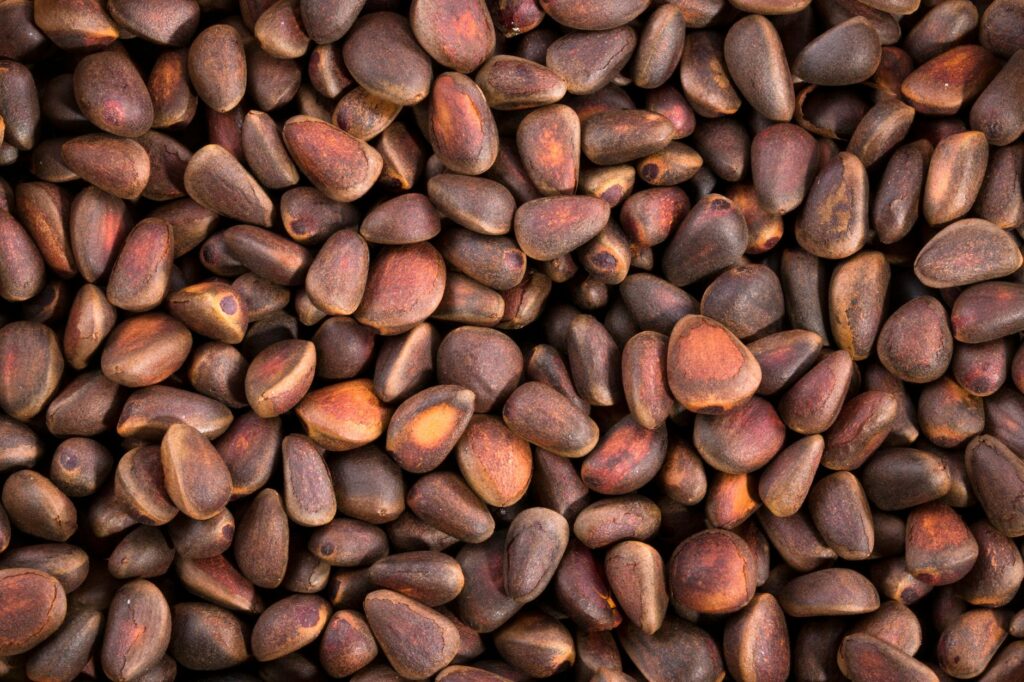
Pine Nuts Cultivation Explained
Introduction
Pine nuts, the edible seeds of pine trees, have been cherished for centuries for their rich flavor and nutritional value. Cultivating these seeds is a process that requires a deep understanding of the trees that produce them, the climatic conditions they thrive in, and the meticulous processes that ensure optimal yield. This article delves into the myriad aspects of pine nuts cultivation, covering history, production techniques, quality considerations, and more.
What Is Growing?
Growing refers to the entire process of nurturing a plant from seed to maturity, ensuring optimal conditions for development. In the context of pine nuts, this involves understanding the specific growth requirements of the pine species that produce edible seeds, such as the Pinus pinea (Stone Pine), Pinus edulis (Pinyon Pine), and several others. The growing process encompasses site selection, soil preparation, planting, care, and harvesting.
Site Selection
The ideal location for growing pine nuts varies by species but generally includes well-drained sandy soils with good sunlight exposure. Pine trees often prefer slightly acidic to neutral pH levels, typically ranging from 5.0 to 7.0. They thrive in regions with a Mediterranean climate, characterized by warm, dry summers and cool, wet winters.
Soil Preparation
Before planting, the soil is often prepared by removing weeds, rocks, and debris. Adding organic matter, such as compost, can improve soil structure and fertility, providing essential nutrients that support healthy pine tree growth.
History and Origins
Pine nuts have a rich historical background, with evidence of their consumption dating back thousands of years. Archaeological findings suggest that indigenous peoples in North America and Europe relied on these seeds as a vital food source. The Stone Pine, particularly revered in Mediterranean cultures, has been cultivated for its nuts for centuries, becoming integral to regional cuisines.
The tradition of pine nut harvesting is not only a culinary practice but also part of cultural rituals. Indigenous communities have long celebrated the gathering of pine nuts, reflecting their importance in local economies and ecosystems. Today, pine nuts continue to be harvested both wild and cultivated, maintaining their status as a beloved ingredient worldwide.
Production and Processing
Cultivation Methods
Pine nuts are primarily harvested from mature pine trees, which typically take 6 to 10 years to begin producing cones. Depending on the species, the cones can take up to three years to mature. The cultivation process involves several key steps:
1. Planting: Seeds are either directly sown into the ground or started in nurseries before being transplanted. The planting time usually coincides with the onset of spring or autumn, depending on the climate.
2. Irrigation: Young trees require consistent moisture, especially in their initial growth phases. As the trees mature, they become more drought-resistant, but supplemental irrigation may still be necessary in arid regions.
3. Fertilization: Fertilizer can be applied to enhance growth, especially during early stages. Organic fertilizers are often preferred to minimize environmental impact.
4. Pest and Disease Management: Regular monitoring for pests and diseases is crucial. Integrated pest management strategies help mitigate risks without excessive chemical use.
Harvesting
Harvesting pine nuts involves collecting mature cones, which are generally ready in late summer to early autumn. The cones are picked by hand or using mechanical methods, depending on the scale of production. After harvesting, the cones are dried to facilitate seed extraction.
Processing
Post-harvest, the cones undergo a dehusking process to separate the seeds from the cones. This is typically achieved through mechanical means, although traditional practices may involve manually opening the cones. Once extracted, the seeds may be dried further to reduce moisture content, enhancing shelf life.
Quality and Grading
The quality of pine nuts is determined by several factors, including size, color, and flavor. Higher-quality pine nuts are plump, have a creamy white to pale yellow color, and possess a rich, nutty flavor. Grading systems vary by region, but common classifications include:
- Grade A: Large, whole, and fresh seeds.
- Grade B: Smaller seeds or those with minor blemishes.
- Grade C: Broken or discolored seeds, often used in processed products.
Quality can also be influenced by the method of harvest and processing, with fresh, minimally processed nuts typically yielding superior flavor and nutrition.
Buying Considerations
When purchasing pine nuts, several factors should be taken into account:
1. Source: Look for reputable suppliers who provide information on the origin of their nuts. Wild-harvested nuts often have distinct flavors and characteristics compared to cultivated varieties.
2. Freshness: Check the packaging for harvest dates. Fresh pine nuts are essential for optimal flavor and shelf life.
3. Storage Conditions: Ensure that the nuts have been stored in cool, dark places to prevent rancidity.
4. Organic Options: If possible, consider organic pine nuts, which are cultivated without synthetic pesticides or fertilizers.
Uses and Applications
Pine nuts are versatile ingredients used in various culinary applications. They can be enjoyed raw, toasted, or incorporated into dishes such as pesto, salads, and baked goods. Their rich flavor profile complements both savory and sweet dishes, making them a favorite among chefs and home cooks alike.
Beyond culinary uses, pine nuts have also found their place in the health food market, often featured in snack mixes and health bars due to their high nutritional content, including healthy fats, protein, and vitamins.
Storage and Shelf Life
Proper storage is crucial to maintaining the quality of pine nuts. They should be stored in airtight containers in a cool, dark place. Refrigeration can extend their shelf life, keeping them fresh for up to six months, while freezing can prolong their usability for a year or more. However, it’s essential to allow