
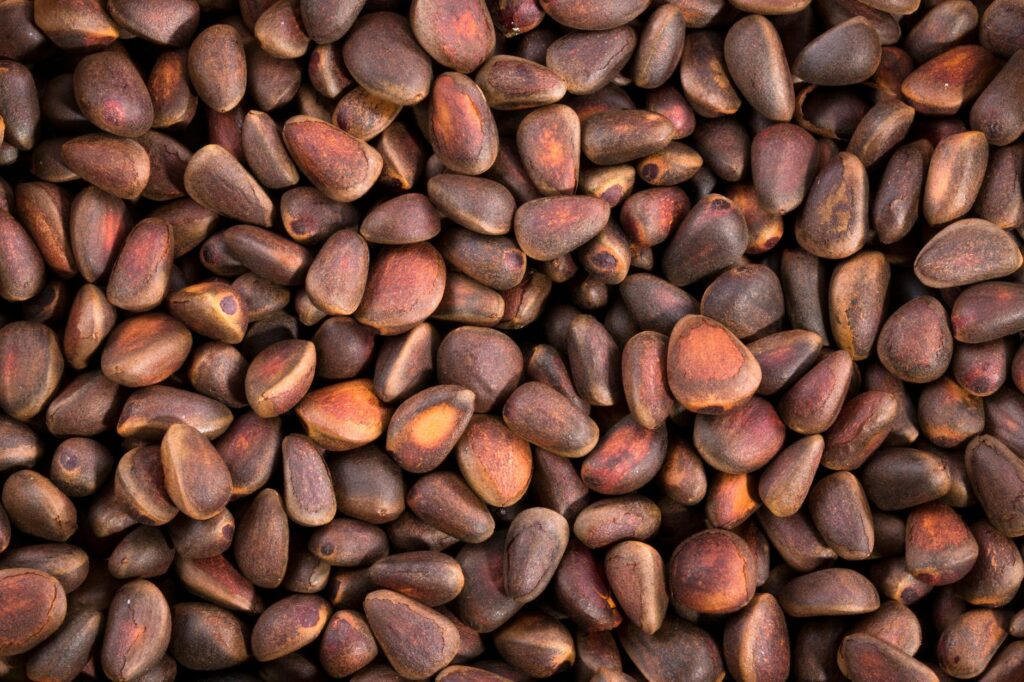
Pine Nuts: Origins and Evolution
Introduction
Pine nuts, also known as pine seeds, are the edible seeds of various species of pine trees. These small, nutritious nuggets are celebrated for their rich flavor, buttery texture, and numerous culinary applications. As a staple in many cuisines, particularly in Mediterranean and Asian dishes, pine nuts have a distinctive place in the gastronomy of diverse cultures. The journey of pine nuts from the forest to the kitchen is a fascinating tale of history, agricultural development, and culinary innovation.
What Is About?
Pine nuts are the seeds found within the cones of certain pine trees. Unlike many other nuts, which are technically fruits, pine nuts are classified as seeds. They are known for their high oil content, which contributes to their rich flavor and velvety mouthfeel. Pine nuts are typically small, ranging from 3 to 20 millimeters in length, and they come in a variety of shapes and colors, depending on the species of pine from which they originate.
These seeds are rich in nutrients, offering a good source of protein, healthy fats, vitamins, and minerals, making them a valued addition to many diets. They have a sweet, nutty flavor that enhances both sweet and savory dishes, from pestos and salads to desserts and baked goods.
History and Origins
The history of pine nuts is deeply intertwined with human civilization. Evidence suggests that the consumption of pine nuts dates back thousands of years, with archaeological findings indicating their use in the diets of ancient peoples. The earliest recorded use of pine nuts is believed to be in the Mediterranean region, particularly among the Romans and Greeks, who appreciated them for their flavor and nutritional value.
Pine nuts are harvested from various species of pine trees, with the most notable being the European stone pine (Pinus pinea), the Western white pine (Pinus monticola), and the sugar pine (Pinus lambertiana). These species have been cultivated and harvested for centuries, with early agricultural practices focused on the collection of wild pine nuts.
In Native American cultures, pine nuts have been a significant food source, often consumed raw or ground into meal for use in various dishes. Additionally, they have been integral to traditional diets in regions such as the Sierra Nevada, where the Native American tribes developed harvesting techniques that are still acknowledged today.
Production and Processing
The production of pine nuts involves a meticulous process that begins with the harvesting of pine cones from mature trees. Depending on the species, cones can take anywhere from 18 months to three years to mature, making the cultivation of pine nuts a long-term investment.
Once harvested, the cones are dried to facilitate the extraction of seeds. This process requires careful handling, as the cones must be opened without damaging the seeds inside. After extraction, the seeds are typically cleaned, sorted, and sometimes roasted to enhance their flavor.
Pine nuts are often sold with their shells intact, though shelled nuts are more commonly found in markets. The shelling process can be labor-intensive, as it requires precision to avoid breaking the delicate seeds.
The primary producers of pine nuts are found in regions such as Italy, Spain, China, and the United States, where the favorable climate and soil conditions support the growth of pine trees. The demand for pine nuts has grown significantly in recent years, leading to increased cultivation and trade, especially in regions where they were historically underutilized.
Quality and Grading
The quality of pine nuts can vary significantly based on factors such as species, growing conditions, and processing methods. High-quality pine nuts are typically plump, have a creamy color, and possess a fresh, nutty aroma.
Grading systems for pine nuts often consider factors such as size, color, and flavor. The most sought-after varieties are usually larger, with a sweeter flavor profile. In the market, pine nuts may be classified as “select” or “standard,” with select being the highest grade.
When purchasing pine nuts, consumers should be aware of their freshness, as these seeds have a high oil content that can lead to rancidity if not stored properly. Fresh pine nuts should have a pleasant, nutty smell, while any off or bitter odors may indicate spoilage.
Buying Considerations
When buying pine nuts, it is essential to consider several factors to ensure quality and flavor.
1. Source: Look for pine nuts that are sourced from reputable producers. Organic options are often available, providing assurance of sustainable farming practices.
2. Form: Decide whether to purchase shelled or unshelled pine nuts. While unshelled nuts have a longer shelf life, shelled nuts are more convenient for immediate use.
3. Freshness: Check the packaging date and choose pine nuts that are as fresh as possible. Fresh nuts are crucial for optimal flavor and nutrition.
4. Storage Conditions: Pine nuts should be stored in a cool, dark place. Refrigeration can extend shelf life, particularly if they are purchased in bulk.
5. Price: Pine nuts can be relatively expensive compared to other nuts, primarily due to the labor-intensive harvesting process.
Understanding these considerations can help consumers select the best quality pine nuts for their culinary needs.
Uses and Applications
Pine nuts are versatile ingredients that can be used in a wide array of dishes. Their buttery texture and sweet, nutty flavor make them an excellent addition to both savory and sweet recipes.
In Mediterranean cuisine, pine nuts are often featured in traditional dishes such as pesto, where they are blended with basil, garlic, Parmesan cheese, and olive oil. They are also used in salads, pasta dishes, and as toppings for various meats and fish.
In Asian cooking, particularly in Chinese and Korean cuisines, pine nuts are incorporated into rice dishes, stir-fries, and desserts. They add a unique flavor and texture that complements other ingredients beautifully.
Furthermore,