
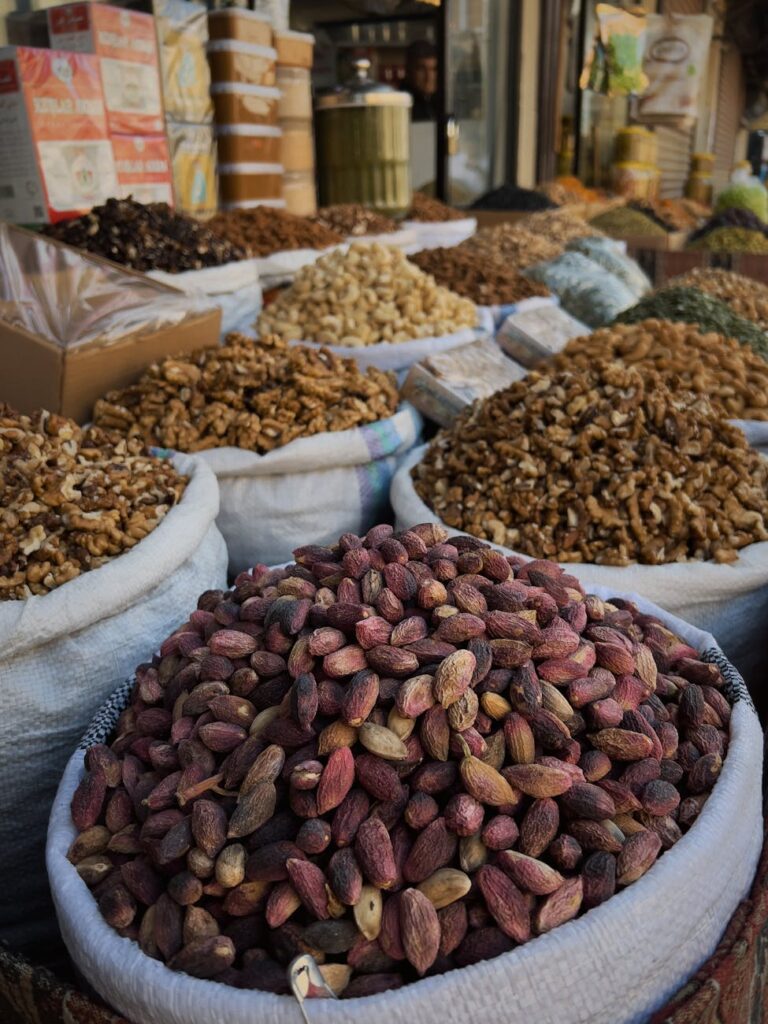
Pistachios Buying Guide Part 6
Introduction
Pistachios, often referred to as the “smiling nut,” are a beloved snack enjoyed worldwide for their unique flavor, crunchy texture, and vibrant green hue. With a rich history and versatile applications, these nuts have gained significant traction in both culinary and health-conscious circles. This buying guide aims to provide a comprehensive overview of pistachios, facilitating informed purchasing decisions for consumers and culinary professionals alike.
What Is Buying?
Buying, in the context of food ingredients, refers to the process of selecting and procuring products based on various factors, including quality, price, origin, and intended use. For pistachios, this involves understanding the nuances of the product, from its grading standards to its storage requirements. Consumers and chefs alike must navigate a myriad of options available in the market to ensure they acquire the best quality nuts that meet their specific needs.
History and Origins
The pistachio tree (Pistacia vera) is believed to have originated in Central Asia, particularly in areas that are now part of Iran and Turkmenistan. Historical evidence indicates that pistachios were consumed by ancient civilizations, including the Greeks and Romans, who prized them for their flavor and health benefits. The nuts were even considered a royal delicacy, often reserved for nobility.
Over centuries, pistachios made their way across trade routes, reaching the Mediterranean and eventually spreading to the Americas. Today, the United States, particularly California, is one of the largest producers of pistachios, alongside Iran and Turkey, which have maintained their historical prominence in production.
Production and Processing
The production of pistachios involves several stages, starting with the cultivation of the trees. Pistachio trees thrive in arid climates, requiring hot summers and cool winters. Harvesting typically occurs in late summer to early fall when the nuts begin to crack open naturally.
Once harvested, pistachios undergo processing, which includes cleaning, drying, roasting, and, in some cases, flavoring. The nuts are often sold in-shell or shelled, with many producers offering an array of flavored options to cater to diverse consumer preferences. Understanding the production process can provide insights into the quality and freshness of the pistachios you choose.
Quality and Grading
Pistachios are graded based on several quality parameters, including size, color, and the degree of shell integrity. The USDA has established grading standards that categorize pistachios into different classes, including:
- U.S. Extra No. 1: Characterized by a high percentage of open shells and minimal defects.
- U.S. No. 1: Slightly lower in quality than Extra No. 1 but still of good quality.
- U.S. No. 2: These may have more defects and a higher percentage of closed shells.
- In-shell pistachios: Store in a cool, dry place away from direct sunlight. When kept in an airtight container, they can last up to a year.
- Shelled pistachios: These should be refrigerated or frozen to extend their shelf life. In the refrigerator, they can last for about six months, while freezing can prolong freshness up to a year or more.
- Pistachios are fattening: While they are high in fat, the majority is healthy unsaturated fat. When consumed in moderation, pistachios can be part of a balanced diet.
- All pistachios are the same: Quality can vary significantly based on origin, processing, and storage
When buying pistachios, it’s essential to consider these grading standards to ensure that you’re purchasing a high-quality product. Look for nuts that exhibit a vibrant green color, are free from blemishes, and have a good shell-to-nut ratio.
Buying Considerations
When purchasing pistachios, several factors should be taken into account:
1. Form: Decide whether you prefer in-shell or shelled pistachios. In-shell varieties are often fresher and can be more flavorful, while shelled pistachios are convenient for snacking and cooking.
2. Roasting and Flavoring: Roasted pistachios tend to have a richer flavor. Consider whether you want plain, salted, or flavored options, such as chili, garlic, or honey.
3. Source: Research the origins of the pistachios. Nuts from reputable growers or those certified organic may offer superior quality and flavor.
4. Packaging: Look for airtight packaging that prevents moisture and air exposure, which can lead to rancidity.
5. Price: Prices can vary widely based on quality and sourcing. While premium products may cost more, they often deliver better flavor and texture.
6. Sustainability: Consider brands that prioritize sustainable practices in their cultivation and processing methods. Ethical sourcing can enhance the overall value of your purchase.
Uses and Applications
Pistachios are incredibly versatile and can be used in a variety of applications. In culinary contexts, they serve as excellent snacks, toppings, and ingredients in both sweet and savory dishes. They can be incorporated into salads, desserts, and baked goods or ground into a fine flour for gluten-free recipes.
Pistachios are also popular in Middle Eastern cuisine, often featured in dishes like baklava and various pilafs. Their rich flavor complements a wide array of ingredients, making them a staple in gourmet cooking.
Storage and Shelf Life
Proper storage is crucial for maintaining the freshness and flavor of pistachios. When stored correctly, they can last several months:
It’s essential to regularly check for signs of rancidity, such as off odors or discoloration, which indicate that the nuts are no longer fresh.
Common Misconceptions
Many misconceptions surround pistachios, particularly regarding their health benefits and culinary uses. Some common myths include: