
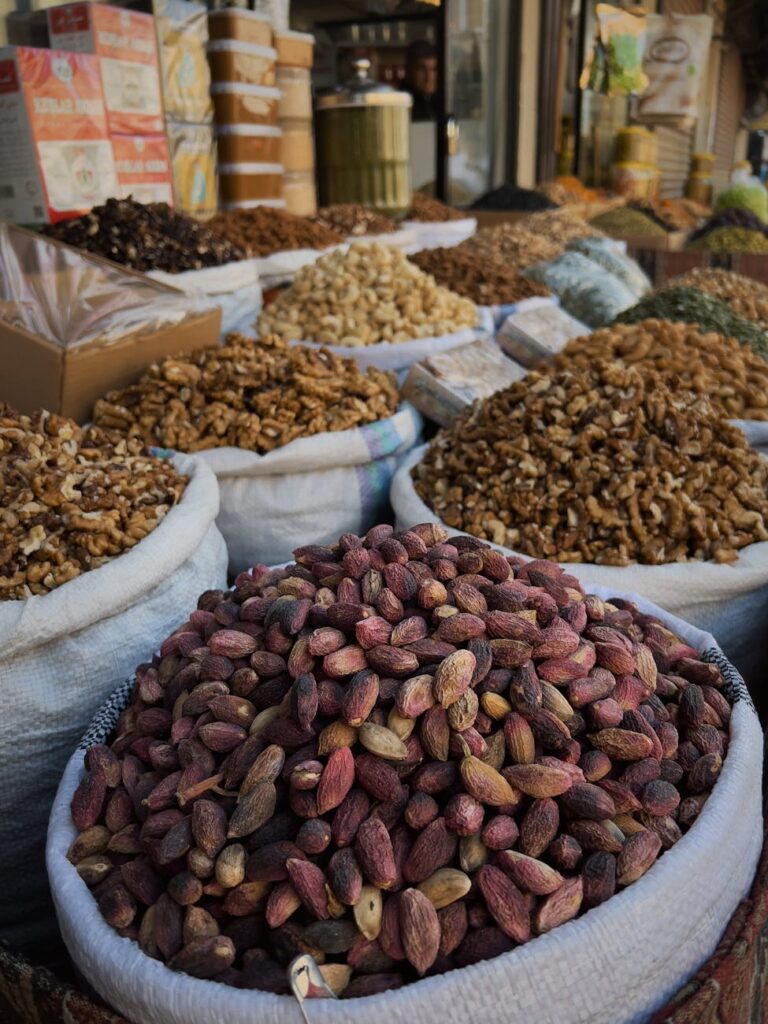
Pistachios Cultivation Explained
Introduction
Pistachios (Pistacia vera) have gained immense popularity worldwide, not only for their unique flavor and versatility in culinary applications but also for their nutritional benefits. Understanding the cultivation of pistachios involves delving into the growing conditions, historical background, and processing methods that transform these green gems into a beloved snack. This article serves as a comprehensive guide to the cultivation of pistachios, covering everything from their origins to storage considerations.
What Is Growing?
Growing, in the context of pistachios, encompasses the entire lifecycle of the plant, from seed germination to mature nut production. Cultivation involves several critical stages, including site selection, planting, irrigation, fertilization, pest control, and harvesting. Each of these stages requires careful management to ensure optimal growth conditions and high-quality yield.
Pistachios are deciduous trees that thrive in arid and semi-arid climates. They require specific conditions, including well-draining soil, sufficient sunlight, and a suitable temperature range, to flourish. Understanding these requirements is essential for successful pistachio cultivation.
History and Origins
Pistachios have a rich and storied history that dates back thousands of years. Native to the Middle East and Central Asia, they have been cultivated for over 3,000 years. Archaeological evidence suggests that pistachios were part of the diet of ancient civilizations, including the Romans and Persians. The name “pistachio” is derived from the Persian word “pest,” while the tree was also mentioned in the Bible.
By the 19th century, pistachio cultivation expanded beyond its native regions, notably to the United States, where California emerged as a leading producer. Today, Iran and the United States are among the top producers of pistachios globally, with significant contributions from countries like Turkey, Syria, and Greece.
Production and Processing
Growing Conditions
Pistachios require a Mediterranean climate characterized by hot, dry summers and cool, wet winters. Ideal temperatures range between 100°F (38°C) during the summer and around 32°F (0°C) in winter. The trees are tolerant of drought but need sufficient water during the growing season, especially during flowering and nut development.
Soil Requirements
The choice of soil plays a vital role in successful pistachio cultivation. Well-draining sandy or loamy soils with a pH between 7.0 and 8.0 are ideal. Heavy clay soils can lead to root rot, while overly acidic soils can stunt growth. Conducting a soil test before planting can help determine the appropriate amendments needed to optimize soil conditions.
Planting Techniques
Pistachio trees are typically propagated through grafting, which allows for the production of clones from superior parent trees. Seedlings may also be planted, although this method can take longer to produce fruit. The ideal time for planting is in late winter or early spring when soil temperatures begin to rise.
During planting, trees should be spaced adequately, generally about 20 to 25 feet apart, to allow for proper air circulation and sunlight exposure. Each tree can grow up to 30 feet tall, and excessive crowding can lead to poor yields and increased susceptibility to diseases.
Irrigation and Fertilization
Irrigation is crucial in pistachio cultivation, especially in arid regions. Drip irrigation is preferred, as it delivers water directly to the root zone, minimizing evaporation and runoff. Regular monitoring of soil moisture is essential to avoid over or under-watering.
Fertilization should be based on soil tests and growth stages. A balanced fertilization program, including nitrogen, phosphorus, and potassium, supports healthy tree growth and nut development. Organic fertilizers and cover crops can also improve soil health and fertility.
Pest and Disease Management
Pistachios are susceptible to various pests, including the navel orangeworm and aphids. Integrated pest management (IPM) strategies that combine biological, cultural, and chemical methods can effectively control these pests. Regular monitoring and timely interventions are critical to preventing infestations.
Diseases such as root rot and powdery mildew can also impact pistachio trees. Proper site selection, tree spacing, and irrigation practices can help minimize the risk of disease.
Harvesting
Pistachio harvesting typically occurs in late summer to early fall when the nuts begin to split open. Mechanical harvesting is common in commercial operations, utilizing specialized equipment to shake the nuts from the trees. After harvesting, pistachios are usually dried to reduce moisture content, which helps prevent spoilage.
Quality and Grading
The quality of pistachios is determined by several factors, including size, color, and the degree of shell integrity. The United States Department of Agriculture (USDA) has established grading standards that classify pistachios into different categories based on these attributes.
- Grade A: These are the highest quality nuts with minimal defects and a uniform size.
- Grade B: These nuts may have slight defects or variations in size but are still considered acceptable for consumption.
- Grade C: These nuts typically have more noticeable defects and may not meet the standards for higher grades.
Quality grading is essential for both producers and consumers, ensuring that the best products reach the market.
Buying Considerations
When purchasing pistachios, consumers should consider several factors to ensure they are getting a high-quality product:
1. Origin: Knowing where the pistachios are sourced can give insight into their quality and flavor profile.
2. Packaging: Look for airtight packaging to maintain freshness. Vacuum-sealed packages are ideal.
3. Color and Appearance: High-quality pistachios should have a vibrant green color, indicating freshness and good flavor.
4. Shell Integrity: Choose nuts with intact shells, as broken or damaged shells can indicate poor handling or storage conditions.