
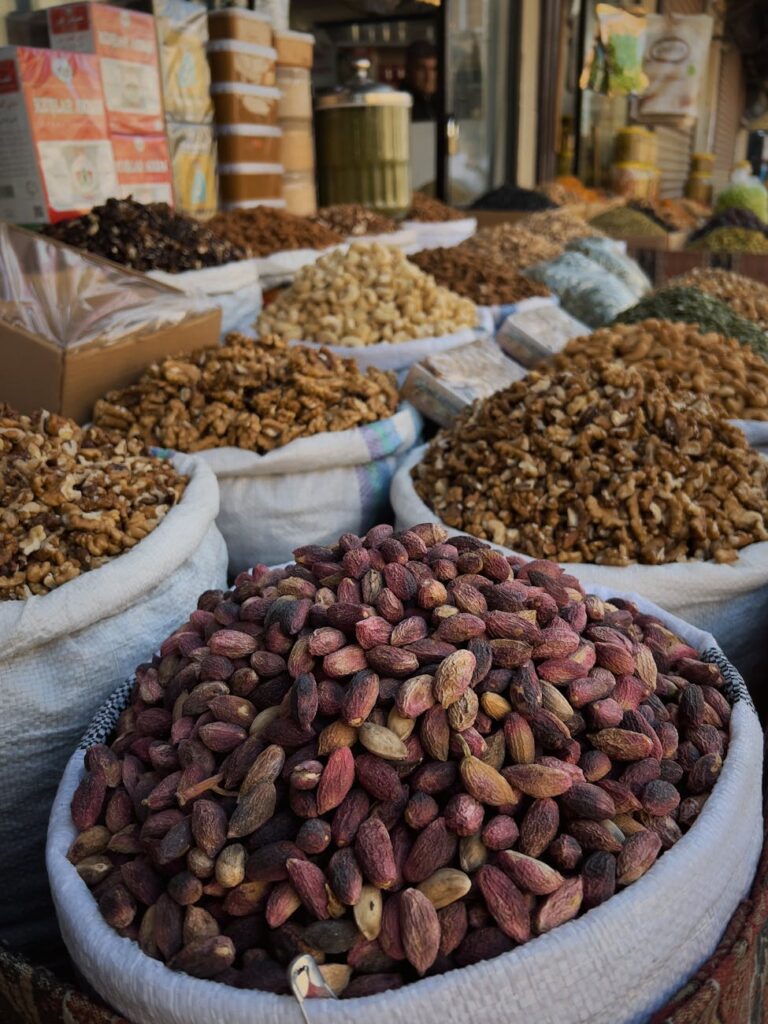
Pistachios Myths and Misconceptions
Introduction
Pistachios have become a staple in culinary traditions worldwide, celebrated not only for their unique flavor and vibrant color but also for their versatility in a plethora of dishes. However, despite their popularity, there exists a myriad of myths and misconceptions surrounding this beloved nut. This article aims to elucidate the truth behind these myths, explore the history and origins of pistachios, discuss their production and processing, and provide insights into quality grading, buying considerations, uses, storage, and frequently asked questions.
What Is Guides?
In the context of food ingredients, “Guides” refers to comprehensive resources that provide in-depth information about specific ingredients. These guides cover various aspects, including the ingredient’s history, production methods, quality assessment, culinary applications, and common misconceptions. The goal is to educate consumers, chefs, and food enthusiasts about the ingredient in question, empowering them to make informed choices and enhance their culinary experiences.
History and Origins
Pistachios (Pistacia vera) are believed to have originated in the Middle East, specifically around the regions of Iran and Turkey. Archaeological evidence suggests that pistachios have been cultivated for over 9,000 years, making them one of the oldest cultivated nuts in the world. They were highly regarded by ancient civilizations, including the Romans and Persians, who considered them a delicacy.
The nuts were brought to the United States in the 19th century, primarily for ornamental purposes. It wasn’t until the 20th century that commercial cultivation began, with California emerging as the primary producer. Today, the U.S. is one of the largest exporters of pistachios, alongside Iran and Turkey.
Production and Processing
Pistachios grow on trees that thrive in warm, dry climates. The cultivation process involves planting grafted trees, which typically take about five to seven years to bear fruit. Harvesting occurs in late summer to early fall when the nuts begin to split open, indicating ripeness.
Once harvested, pistachios undergo a meticulous processing routine. After being hulled to remove the outer shell, they are often sorted, graded, and roasted. Roasting enhances flavor and aroma, while also prolonging shelf life. Furthermore, pistachios can be salted or flavored, depending on market demand.
Quality and Grading
The quality of pistachios is determined by several factors, including size, color, and the integrity of the shell. The United States Department of Agriculture (USDA) has established grading standards for pistachios, which classify them into various categories, including:
- U.S. Grade A: High-quality nuts with minimal defects, uniform size, and a split shell.
- U.S. Grade B: Slightly lower quality, with more defects or mixed sizes.
- U.S. Grade C: Nuts with significant defects, often used for processing or in lower-end products.
- Snacking: Roasted and salted pistachios are a popular snack choice, often enjoyed on their own or mixed with other nuts and dried fruits.
- Baking: Ground pistachios can be incorporated into cookies, cakes, and pastries, adding a unique flavor and color.
- Cooking: Pistachios can be used to create sauces, pestos, and marinades. They pair excellently with meats, seafood, and vegetables.
- Garnishing: Chopped or crushed pistachios make an attractive garnish for salads, desserts, and savory dishes, enhancing both visual appeal and flavor.
- Confectionery: In many Middle Eastern cultures, pistachios are featured prominently in sweets such as baklava and nougat.
- Cool, Dark Place: Store pistachios in a cool, dry, and dark location away from direct sunlight to prevent rancidity.
- Airtight Containers: Transfer opened packages to airtight containers to minimize exposure to air and moisture.
- Refrigeration: For long-term storage, consider refrigerating pistachios. This can extend their shelf life for several months.
- Freezing: Pistachios can also be frozen for up to a year. Ensure they are in a well-sealed container to prevent freezer burn.
When evaluating pistachios, consumers should look for nuts that are plump, have a vibrant green color, and exhibit a clean, intact shell, as these characteristics indicate freshness and quality.
Buying Considerations
When purchasing pistachios, several factors should be taken into account to ensure you select the best product:
1. Type: Choose between roasted and raw pistachios, depending on your culinary needs. Roasted nuts are often more flavorful, while raw nuts retain their natural taste.
2. Packaging: Look for vacuum-sealed or resealable bags, which help maintain freshness and prevent exposure to air.
3. Origin: Familiarize yourself with the major producing regions, such as California, Iran, and Turkey. Each region may offer distinct flavor profiles.
4. Organic Certification: If you prefer organic products, seek out certified organic pistachios that are grown without synthetic pesticides or fertilizers.
5. Allergens: Be aware of potential allergens, as pistachios may be processed in facilities that handle other nuts.
6. Price: Quality pistachios can vary in price. While cheaper options may be tempting, investing in high-quality nuts often yields a superior flavor and texture.
Uses and Applications
Pistachios are incredibly versatile and can be utilized in various culinary applications:
Storage and Shelf Life
To maintain the freshness and flavor of pistachios, proper storage is essential. Here are some guidelines:
Generally, unshelled pistachios can last up to a year, while shelled pistachios have a shorter shelf life, typically around six months