
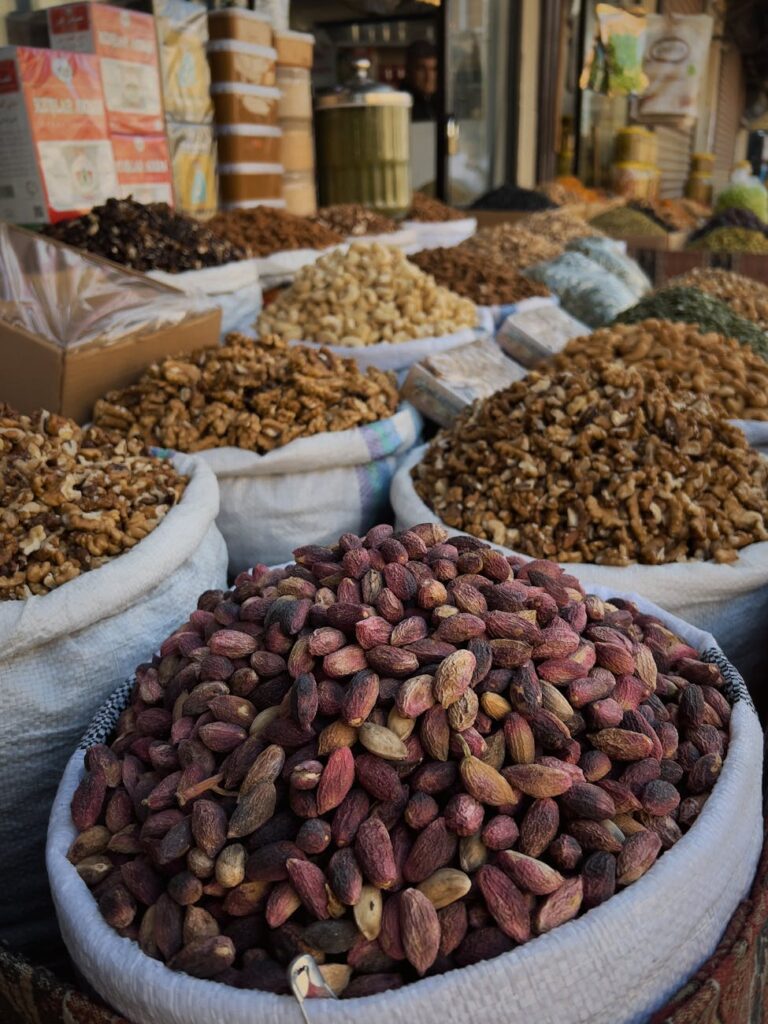
Pistachios: Origins and Evolution
Introduction
Pistachios, with their unique flavor and vibrant green hue, have captivated palates across the globe for centuries. These small yet nutritious nuts are not only a delightful snack but also a versatile ingredient in a variety of culinary applications. This article delves into the rich history, production processes, quality grading, and uses of pistachios, providing a comprehensive understanding of this remarkable food ingredient.
What Is About?
The term “pistachio” is derived from the Latin word pistacia, which refers to the tree from which these nuts are harvested. The scientific name for the pistachio tree is Pistacia vera, and it belongs to the Anacardiaceae family, which also includes cashews and mangoes. Known for their distinctive hard shells that split open when ripe, pistachios are not only enjoyed as a snack but also play a significant role in various cuisines across the globe.
History and Origins
Pistachios have a storied history that dates back thousands of years. They are believed to have originated in the Middle East, particularly in regions that encompass modern-day Iran, Iraq, and Syria. Archaeological findings suggest that pistachios were cultivated in these areas as early as 6,000 B.C. The nuts were highly valued in ancient cultures, often considered a delicacy reserved for royalty and the affluent.
The cultivation of pistachios spread through trade routes, reaching the Mediterranean and eventually making its way to Europe. The Romans were particularly fond of pistachios, often using them in various dishes. By the 19th century, pistachios were introduced to the United States, primarily in California, where they were cultivated successfully due to the region’s favorable climate.
Today, Iran remains one of the largest producers of pistachios, followed closely by the United States, Turkey, and China. The global demand for pistachios has led to extensive cultivation in various regions, adapting to local climate conditions and agricultural practices.
Production and Processing
Pistachio production involves a series of meticulous steps, from planting to harvesting. The pistachio tree thrives in dry, Mediterranean-like climates and requires well-draining soil. Typically, the trees are planted in orchards and can take up to five years before they begin to produce nuts. Once they reach maturity, they can yield nuts for several decades.
The harvesting process usually occurs in late summer to early fall when the nuts are ripe. Farmers use mechanical shakers to gently detach the nuts from the trees, which then fall to the ground. After harvesting, the nuts are hulled and dried to prevent spoilage. This drying process is crucial, as it helps maintain the nut’s flavor and texture.
Once dried, pistachios undergo further processing, which may include roasting and salting, depending on consumer preferences. Roasting enhances the nut’s flavor and gives it a satisfying crunch. The final processing stage may involve packaging, where pistachios are sealed in airtight containers to preserve their freshness.
Quality and Grading
The quality of pistachios is determined by several factors, including size, color, and shell integrity. The United States Department of Agriculture (USDA) has established grading standards for pistachios, categorizing them into four primary grades: U.S. Fancy, U.S. Extra No. 1, U.S. No. 1, and U.S. No. 2.
- U.S. Fancy: This grade features the largest, most visually appealing nuts, with a high percentage of split shells and minimal defects.
- U.S. Extra No. 1: Slightly smaller than U.S. Fancy, these nuts still have a good appearance and quality.
- U.S. No. 1: This grade includes nuts that meet the basic quality standards but may have more defects and smaller sizes.
- U.S. No. 2: The lowest grade, these nuts typically have visible defects and irregularities.
- Snacking: Enjoyed as a standalone snack, pistachios are often seasoned with salt or spices for added flavor.
- Baking: Ground pistachios can be incorporated into cookies, cakes, and pastries, providing a unique flavor and texture.
- Culinary Garnish: Whole pistachios can be used as a decorative topping
Grading is essential not only for consumer confidence but also for ensuring consistent quality across products. It allows buyers to make informed decisions based on their specific needs and preferences.
Buying Considerations
When purchasing pistachios, there are several factors to consider to ensure you are selecting the best quality nuts. Here are some key points to keep in mind:
1. Type: Pistachios are available in various forms, including raw, roasted, salted, and unsalted. Depending on your intended use, choose the type that best suits your needs.
2. Shell Integrity: Look for pistachios with intact shells. A split shell is often an indication of ripeness but should not be excessively cracked or damaged.
3. Color: High-quality pistachios exhibit a vibrant green color, indicating freshness and good quality. Dull or brownish hues may suggest aging.
4. Packaging: Opt for pistachios packaged in airtight containers to maintain freshness and prevent moisture absorption.
5. Source: Consider the origin of the pistachios. Regions with a long history of cultivation, such as Iran or California, are often associated with higher quality.
6. Organic vs. Conventional: If you prefer organic products, look for certifications indicating that the pistachios were grown without synthetic pesticides or fertilizers.
Uses and Applications
Pistachios offer a wide range of culinary possibilities, making them a versatile ingredient in both savory and sweet dishes. Some common uses include: