
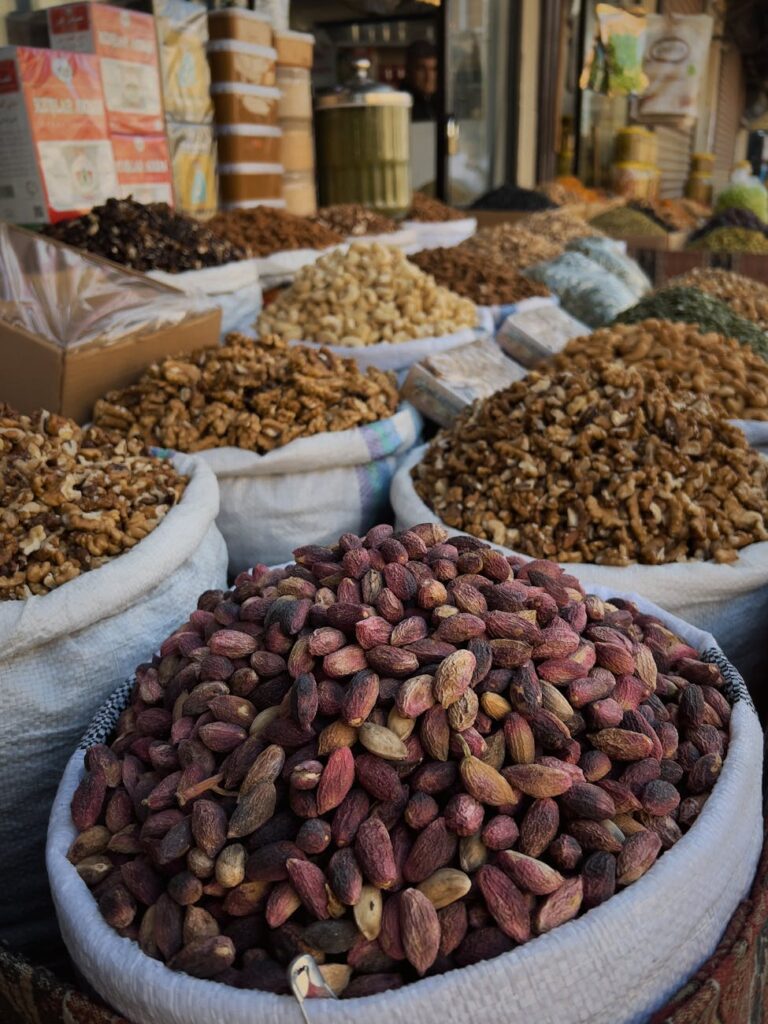
Pistachios Regions Guide Part 7
Introduction
Pistachios, with their rich flavor and distinctive green hue, have captured the hearts and palates of many around the globe. However, not all pistachios are created equal; their taste, texture, and quality can vary significantly based on their region of origin. Understanding the various regions where pistachios are grown can enhance appreciation for this beloved nut and inform consumers about their choices. This guide delves into the regions of pistachios, offering insights into their history, production, quality, and much more.
What Is Regions?
In the context of agricultural products like pistachios, “regions” refers to the geographical areas where these nuts are cultivated. Each region possesses unique climatic conditions, soil types, and agricultural practices that influence the flavor profile, size, and quality of the pistachios produced. Familiarizing oneself with these regions can provide valuable information for buyers, chefs, and culinary enthusiasts who seek to understand the nuances of the ingredient they are working with.
History and Origins
The history of pistachios can be traced back thousands of years, with evidence suggesting that they were cultivated in the Middle East and Central Asia. The pistachio tree (Pistacia vera) is believed to have originated in the region that encompasses parts of modern-day Iran, Syria, and Turkey. Ancient texts and archaeological findings indicate that pistachios were enjoyed by royalty and were considered a luxury food item in ancient Persia.
The cultivation of pistachios spread along trade routes, reaching Mediterranean countries and eventually the United States in the late 19th century. Today, California is one of the largest producers of pistachios, with an industry that has grown significantly since the first commercial plantings in the 1930s. The rich history of the pistachio is reflected in its diverse cultivation practices, which have evolved over centuries to adapt to various environmental conditions.
Production and Processing
The production of pistachios is a meticulous process that begins with the cultivation of trees. Pistachio trees thrive in arid climates with well-draining soil, making regions like California, Iran, and Turkey ideal for their growth. Pistachio trees typically produce their first harvest after 5 to 7 years, with full production occurring around 15 years of age.
Once harvested, pistachios undergo a series of processing steps. After being picked, the nuts are quickly hulled to remove their outer shells. They are then sorted and graded based on size, color, and quality. In many cases, pistachios are roasted and salted to enhance their flavor, although they can also be consumed raw or flavored with various seasonings. The processing methods can vary by region, impacting the final taste and texture of the pistachios.
Quality and Grading
Quality and grading standards for pistachios are essential for ensuring consistency and meeting consumer expectations. The United States Department of Agriculture (USDA) has established grading standards that classify pistachios into different categories based on characteristics such as size, color, and the presence of defects.
The most common grades include:
- Fancy: These are the largest and highest-quality pistachios, characterized by minimal defects and a vibrant green color.
- Extra No. 1: Slightly smaller than Fancy, these pistachios also have a good quality and minimal blemishes.
- No. 1: These nuts are of average quality, with some defects but still suitable for general consumption.
- No. 2: These are smaller and may have more defects, often used for industrial applications rather than direct consumer sale.
- Cool, Dry Place: Store pistach
Countries like Iran and Turkey also have their own grading systems, often influenced by local preferences and market demands. Understanding these grading systems can help consumers make informed choices when purchasing pistachios.
Buying Considerations
When purchasing pistachios, several factors should be considered to ensure quality and flavor:
1. Origin: Knowing the region of origin can provide insights into the expected flavor profile and quality. California pistachios, for example, may be different in taste and texture compared to their Iranian or Turkish counterparts.
2. Freshness: Look for pistachios that are packaged with a clear expiration date. Freshly harvested nuts will have a more vibrant flavor and crunch.
3. Shell Condition: Choose pistachios with intact shells, as cracked or damaged shells can indicate poor quality or spoilage.
4. Roasting Method: If you prefer roasted pistachios, consider whether they are dry-roasted or oil-roasted, as this can affect flavor and texture.
5. Flavorings: Check for any added flavorings or preservatives, especially for seasoned pistachios, as these can influence the overall taste.
6. Packaging: Opt for products that are vacuum-sealed or stored in airtight containers to maintain freshness.
Uses and Applications
Pistachios are incredibly versatile and can be used in a myriad of culinary applications. They are popular as snacks, both roasted and salted, and can also be incorporated into various dishes, including salads, main courses, and desserts.
In Mediterranean cuisine, pistachios are often ground into a paste for use in sweets like baklava and Turkish delight. They can also be sprinkled over yogurt or used to enrich rice dishes. In the savory realm, pistachios can be blended into pesto or used as a crust for meats and fish, adding a unique flavor and texture.
Additionally, pistachios are increasingly popular in health-conscious diets, often featured in trail mixes or energy bars due to their nutrient density. Their vibrant color also makes them an attractive garnish for various culinary presentations.
Storage and Shelf Life
Proper storage of pistachios is crucial to maintaining their flavor and preventing spoilage. When stored correctly, pistachios can last for several months. Here are some guidelines: