
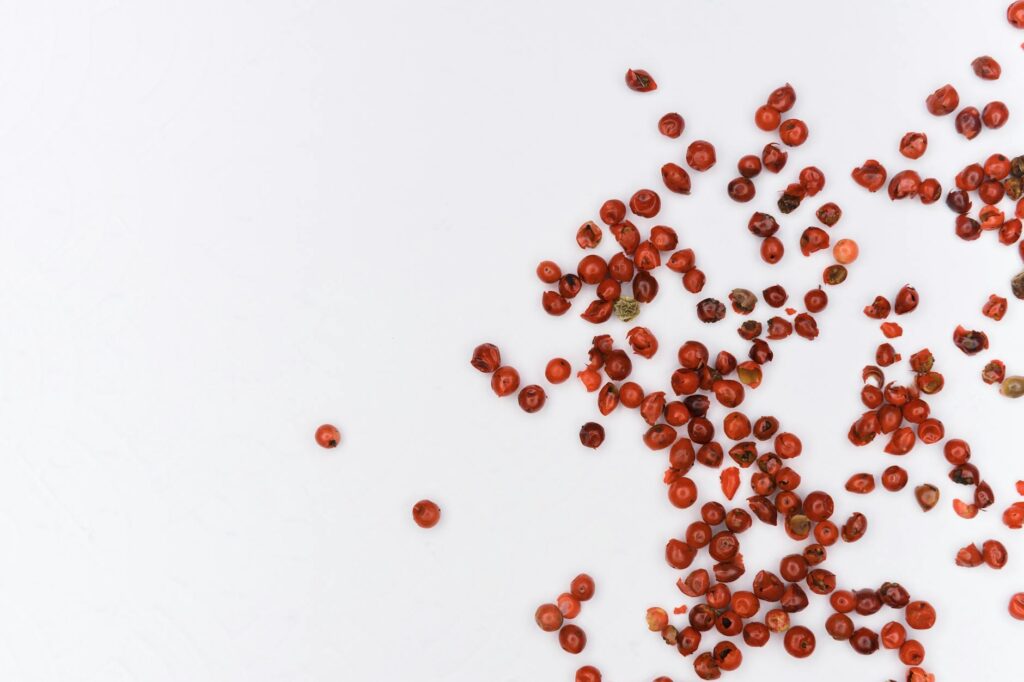
Pomegranate: Origins and Evolution
Introduction
The pomegranate, with its rich crimson seeds and complex flavor profile, is a fruit steeped in history and symbolism. Known scientifically as Punica granatum, this ancient fruit has captivated cultures across the globe for thousands of years. It is not merely a food item but a symbol of fertility, abundance, and prosperity in various traditions. This article delves into the origins, history, production, and uses of the pomegranate, providing a comprehensive overview of this remarkable ingredient.
What Is About?
The pomegranate is a deciduous shrub or small tree that typically grows between 5 to 10 meters tall. Its fruit is characterized by a tough, leathery skin that encases hundreds of jewel-like seeds, known as arils, suspended in a juicy, tart pulp. The seeds are surrounded by a sweet, tangy juice, which is often consumed as a beverage or used in culinary applications worldwide. Pomegranates are not just valued for their flavor but also for their striking appearance and nutritional benefits, making them a staple in both cooking and cultural practices.
History and Origins
The pomegranate is believed to have originated in the region that spans modern-day Iran and northern India, where it has been cultivated for over 4,000 years. Archaeological findings suggest that the pomegranate was one of the first fruits to be cultivated by humans. It holds a significant place in ancient texts, including the Bible and the Quran, symbolizing fertility and life.
From its origins in the Middle East, the pomegranate spread to the Mediterranean region, where it became a vital part of various cultures. The Greeks viewed the pomegranate as a symbol of life and fertility, and it was often associated with the goddess Persephone. In ancient Rome, it was used in culinary dishes and medicinal preparations, further solidifying its role in human culture.
The fruit reached the Americas in the 16th century, brought by Spanish settlers who recognized its potential. Today, pomegranates are cultivated in many regions, including California, Israel, Turkey, and India, reflecting their adaptability and enduring popularity.
Production and Processing
Pomegranate cultivation requires a warm, dry climate, making regions with such conditions ideal for production. The tree thrives in well-drained soils and can tolerate drought, which contributes to its wide distribution.
Harvesting typically occurs in the fall, when the fruits display a vibrant color and a firm texture. The process involves careful hand-picking to avoid bruising the delicate fruit. Once harvested, pomegranates can be consumed fresh or processed into juice, syrup, or dried seeds.
Processing involves several steps: washing, juicing, and sometimes pasteurization to extend shelf life. Pomegranate juice has gained popularity due to its rich flavor and potential health benefits, though it is essential for consumers to be aware of added sugars and preservatives in commercially available products.
Quality and Grading
The quality of pomegranates is determined by several factors, including size, color, and firmness. High-quality pomegranates should have a deep red hue, indicating ripeness, and should feel heavy for their size, a sign of juicy arils within. The skin should be smooth and free from blemishes or cracks.
Grading systems may vary by region, but generally, pomegranates are categorized into grades based on their quality. Grade A fruits are the best, showcasing optimal color, size, and firmness, while lower grades may exhibit imperfections or signs of overripeness.
Quality assessment is crucial not only for consumer satisfaction but also for the economic viability of growers, as higher quality fruits command better prices in the marketplace.
Buying Considerations
When purchasing pomegranates, consumers should look for fruits that feel heavy and have a firm, unblemished skin. The color should be vibrant, indicating ripeness. Avoid fruits with dull skins or signs of decay, such as soft spots or cracks.
For those considering pomegranate juice, it is advisable to read labels carefully. Look for 100% juice without added sugars or artificial ingredients. Freshly squeezed juice is often the best option, though it may have a shorter shelf life than commercially bottled varieties.
Seasonality is also important to consider. Pomegranates are typically in season from September to January in the Northern Hemisphere. Purchasing during this time ensures the best quality and flavor.
Uses and Applications
Pomegranates are incredibly versatile and can be used in various culinary applications. The seeds can be enjoyed fresh, added to salads, or used as a garnish for dishes. The juice is a popular beverage and can also be incorporated into sauces, marinades, and dressings.
In addition to culinary uses, pomegranates have a long history in traditional medicine and are often featured in cultural rituals and celebrations. Their vibrant color and unique flavor make them a popular choice for festive occasions, symbolizing abundance and prosperity.
Moreover, pomegranate extracts are increasingly utilized in the cosmetic industry due to their antioxidant properties, adding another layer to their versatility.
Storage and Shelf Life
Fresh pomegranates can be stored at room temperature for a few days. However, for extended freshness, they should be kept in the refrigerator, where they can last for several weeks. Once opened, pomegranate juice should be consumed within a week for optimal flavor and quality, although pasteurized varieties may last longer when refrigerated.
The arils can be removed from the fruit and stored in an airtight container in the refrigerator for about five to seven days. Freezing is an option for longer storage, with arils maintaining their quality for several months when properly stored.
Common Misconceptions
Despite its widespread popularity, several misconceptions about pomegranates persist. One common belief is that pomegranate juice is a cure-all for various health issues. While it is rich in antioxidants and has been linked to certain health benefits, it should not be viewed as a substitute for a balanced diet or medical treatment.
Another misconception is that all