
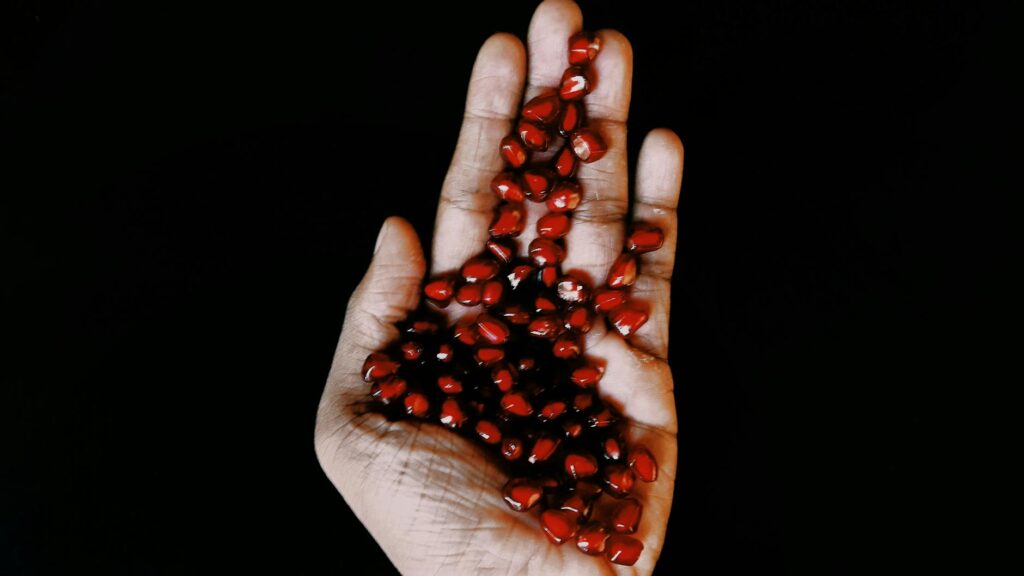
Pomegranate Seeds Cultivation Explained
Introduction
Pomegranate seeds, known for their jewel-like appearance and delicious, tart flavor, are a key ingredient in various culinary traditions worldwide. The seeds, or arils, are the edible part of the pomegranate fruit, which has gained significant attention for its versatility and health benefits. This article delves into the intricate process of cultivating pomegranate seeds, exploring their history, production methods, quality grading, and more.
What Is Growing?
Growing, in the context of pomegranate seeds, refers to the agricultural practices involved in cultivating the pomegranate tree (Punica granatum). These practices encompass selecting appropriate varieties, preparing the soil, planting, managing irrigation, and harvesting the fruits. The cultivation process is crucial, as it affects the quality and yield of the pomegranate seeds, ultimately impacting their flavor, nutritional content, and market value.
History and Origins
The pomegranate is believed to have originated in the region extending from modern-day Iran to northern India. Its cultivation dates back over 4,000 years, making it one of the oldest cultivated fruits in history. The pomegranate has been revered in various cultures, symbolizing fertility, abundance, and prosperity.
The fruit spread throughout the Mediterranean and into Europe, where it became a staple in culinary practices and traditional medicine. Today, pomegranates are grown in several countries, including India, Iran, Turkey, and the United States, with California being the primary U.S. producer. The diverse growing conditions across these regions contribute to the unique flavor profiles and characteristics of the pomegranate seeds produced.
Production and Processing
The production of pomegranate seeds involves several stages, from planting the seeds or cuttings to harvesting and processing the fruit.
Cultivation Practices
1. Soil Preparation: Pomegranates thrive in well-drained, sandy loam soils with a pH level between 5.5 and 7.0. Before planting, it is essential to amend the soil with organic matter to enhance fertility and drainage.
2. Planting: Pomegranates can be propagated from seeds or cuttings, although cuttings are preferred for maintaining specific cultivars. Planting typically occurs in early spring, ensuring the young plants are protected from frost.
3. Irrigation: While pomegranates are drought-tolerant once established, they require regular watering during the early stages of growth and during flowering and fruiting. Drip irrigation systems are often recommended to minimize water waste.
4. Fertilization: Fertilization regimes should be tailored to the soil nutrient content. A balanced fertilizer, applied in early spring, can promote healthy growth and fruit development.
5. Pest and Disease Management: Common pests include aphids and fruit flies, while diseases such as root rot may occur in overly wet conditions. Integrated pest management (IPM) strategies are essential for maintaining plant health while minimizing chemical applications.
Harvesting
Harvesting pomegranates typically occurs in late summer to early fall when the fruit turns a deep, vibrant color and feels heavy for its size. Care must be taken during harvesting to avoid damaging the fruit’s delicate skin, which can impact the quality of the seeds inside.
Processing
Once harvested, pomegranates can be processed in various ways, including juicing, extracting seeds, and dehydrating. The seeds are often separated from the surrounding pulp and can be packaged and sold fresh, frozen, or dried, depending on market demand.
Quality and Grading
Quality grading of pomegranate seeds is crucial for ensuring consumer satisfaction and market viability. Factors influencing quality include:
1. Color: High-quality seeds should exhibit a bright, vibrant color, indicating ripeness and flavor intensity.
2. Size: Larger seeds are generally preferred, as they provide a better eating experience.
3. Texture: The seeds should be firm and crisp, with a juicy, succulent interior.
4. Taste: Flavor profiles can vary widely among different pomegranate varieties, impacting their desirability.
Grading standards may vary by region, but most markets will categorize seeds based on these criteria.
Buying Considerations
When purchasing pomegranate seeds, whether fresh, frozen, or dried, several factors should be considered:
1. Source: Look for reputable suppliers with established quality control measures. Local farmers’ markets or specialty grocery stores often provide fresher options.
2. Variety: Different pomegranate varieties yield seeds with distinct flavors and characteristics. Familiarize yourself with the varieties available in your region.
3. Packaging: For packaged seeds, inspect the packaging for freshness indicators, such as expiration dates and vacuum sealing.
4. Organic vs. Conventional: Organic pomegranates are grown without synthetic pesticides or fertilizers, which may be a consideration for health-conscious consumers.
5. Seasonality: Pomegranate seeds are most flavorful and abundant during the harvest season, typically from September to February, depending on the region.
Uses and Applications
Pomegranate seeds are incredibly versatile and are used in various culinary applications, including:
1. Culinary Uses: Fresh seeds are often added to salads, yogurt, and desserts for a burst of flavor and color. They can also be used as a garnish for savory dishes.
2. Beverages: Pomegranate juice is a popular drink, known for its refreshing taste and vibrant color. The seeds can also be used in cocktails and smoothies.
3. Culinary Garnish: Their bright color and unique texture make pomegranate seeds an attractive garnish for various dishes, enhancing both presentation and flavor.
4. Sauces and Marinades: Pomegranate seeds can be incorporated into sauces, marinades, and dressings, adding a tangy, sweet element.
5. Cultural Significance: In some cultures, pomegranate seeds hold symbolic meanings and