
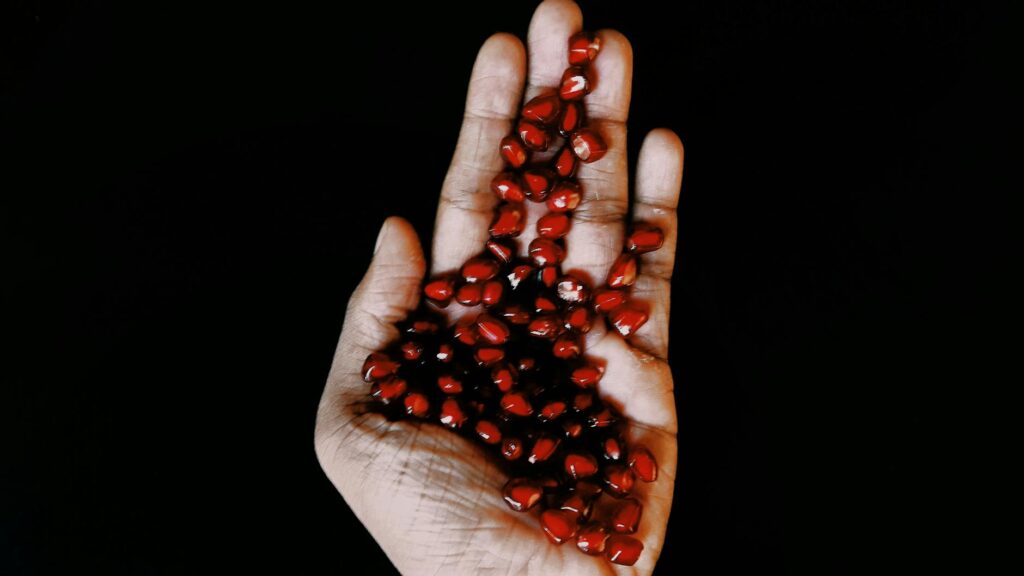
Pomegranate Seeds Grading Explained
Introduction
Pomegranate seeds, known for their vibrant color and unique flavor, have gained popularity as a versatile ingredient in various cuisines worldwide. Their appeal extends beyond their culinary uses; they are often celebrated for their aesthetic properties and nutritional benefits. However, not all pomegranate seeds are created equal. This article delves into the intricacies of purchasing pomegranate seeds, focusing on grading systems that determine their quality and usability.
What Is Buying?
In the context of food ingredients, “buying” refers to the process of selecting and procuring products based on specific criteria such as quality, freshness, and suitability for intended uses. For pomegranate seeds, this process involves understanding various factors such as grading, seasonality, and sourcing practices. Buyers, whether they are chefs, retailers, or consumers, need to be informed to make educated decisions when purchasing these seeds.
History and Origins
The pomegranate (Punica granatum) has a rich history, dating back thousands of years. Native to the region spanning modern-day Iran to the Himalayas, the pomegranate has been cultivated in Mediterranean regions and beyond for its juicy seeds and symbolic value. Ancient civilizations revered the fruit; it appeared in religious texts and was considered a symbol of prosperity and fertility. Today, pomegranates are cultivated in many parts of the world, including the United States, India, and Spain, each contributing to the diverse varieties available in the market.
Production and Processing
Pomegranate seeds are harvested from the fruit of the pomegranate tree, which typically bears fruit from late summer to early winter. The harvesting process is labor-intensive; ripe pomegranates must be picked by hand to prevent damage to the fruit and seeds. After harvesting, pomegranates undergo processing, where they are de-seeded to extract the juicy arils—commonly referred to as pomegranate seeds.
Once extracted, these seeds may be sold fresh, dried, or juiced. Fresh seeds are often packaged in containers to maintain their freshness, while dried seeds can be vacuum-sealed or packaged for longer shelf life. The processing stage is critical, as it can significantly affect the quality and grading of the seeds.
Quality and Grading
Quality grading for pomegranate seeds is essential for both buyers and sellers. Various standards exist, depending on the region and intended use. The grading process considers several factors:
Appearance
High-quality pomegranate seeds should be bright red, plump, and free from blemishes or discoloration. The color indicates ripeness and freshness, with the most desirable seeds exhibiting a uniform hue.
Flavor
Flavor is a subjective yet crucial aspect of grading. Premium seeds should deliver a balance of sweetness and tartness, characteristic of ripe pomegranates. Inferior seeds may taste overly sour or bland, indicating poor quality.
Texture
Texture plays a significant role in the culinary application of pomegranate seeds. High-quality seeds should be firm and juicy, with a satisfying crunch. Seeds that are shriveled or dry are often deemed lower quality.
Size
While size may not directly correlate with quality, uniformity in size can be a factor in grading. Consistent size is particularly important for culinary presentations and commercial applications.
Packaging
The way pomegranate seeds are packaged can also affect their grading. Vacuum-sealed or airtight packaging helps preserve freshness and prolong shelf life, while loose or poorly sealed packaging may indicate lower quality.
Buying Considerations
When purchasing pomegranate seeds, several factors should be taken into account:
Seasonality
Pomegranate seeds are typically in season from late summer to early winter. Buying fresh seeds during this period ensures optimal flavor and quality. Off-season seeds may be available but may not meet the same quality standards.
Source
The origin of pomegranate seeds can impact their quality and grading. Seeds sourced from reputable producers or organic farms often have superior characteristics. Buyers should inquire about the source and production practices to ensure quality.
Storage Conditions
Proper storage is essential for maintaining the quality of pomegranate seeds. Buyers should consider how the seeds have been stored prior to purchase, as improper storage can lead to spoilage and diminished quality.
Price
While price can be an indicator of quality, it is not always the definitive factor. Buyers should consider the overall quality indicators and not solely rely on price when making purchasing decisions.
Uses and Applications
Pomegranate seeds are highly versatile and can be used in various culinary applications, including:
- Salads and Salsas: Their bright color and flavor enhance salads, providing a burst of freshness.
- Garnishes: Pomegranate seeds can be used as a decorative element on desserts and main dishes.
- Beverages: They are frequently incorporated into juices and cocktails, adding both flavor and visual appeal.
- Baking: Dried pomegranate seeds can be included in baked goods for added texture and flavor.
- Savory Dishes: Used in curries, glazes, and marinades, pomegranate seeds serve to balance flavors with their tartness.
- Fresh Seeds: When stored properly in the refrigerator, fresh pomegranate seeds can last up to a week. They should be kept in an airtight container to prevent moisture absorption.
- Dried Seeds: Dried pomegranate seeds have a longer shelf life, typically lasting several months when stored in a cool, dry place away from sunlight. Vacuum-sealed packaging can extend their shelf life even further.
- Juiced Seeds: Pomegranate juice should be consumed within a few days if refrigerated, but commercially bottled juices often contain preservatives that extend their shelf life.
Storage and Shelf Life
The shelf life of pomegranate seeds varies based on their form—fresh, dried, or juiced.
Proper storage practices are crucial for preserving the quality and flavor of pomegranate seeds, regardless of their form.