
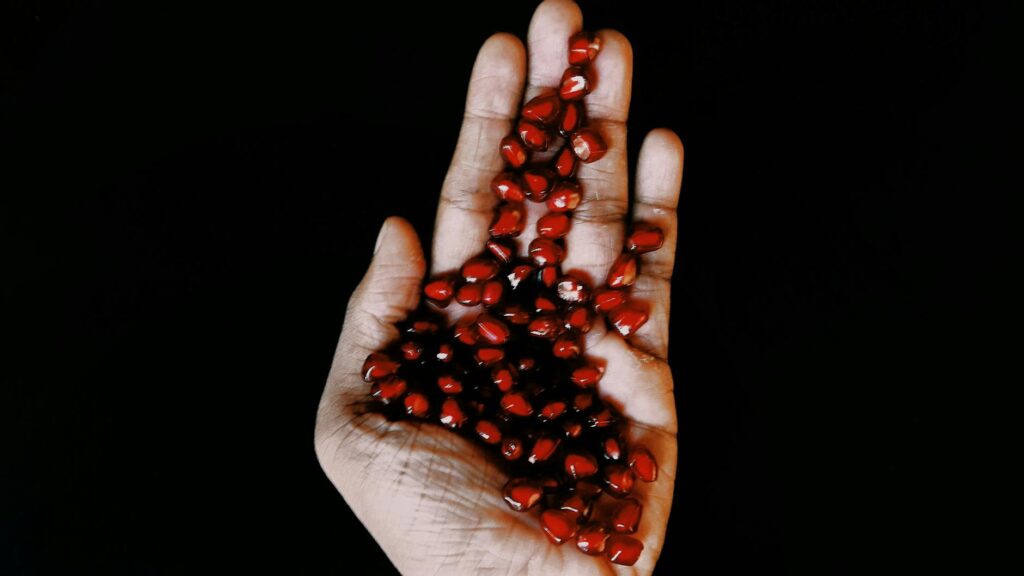
Pomegranate Seeds Growing Guide Part 7
Introduction
Pomegranate seeds, known for their jewel-like appearance and exceptional flavor, have garnered attention not only for their culinary applications but also for their rich history and nutritional benefits. As we delve into the complexities of growing pomegranate seeds, this guide will provide a comprehensive overview of the essential aspects of cultivation, processing, and storage. This guide aims to be an authoritative resource for both novice and experienced growers interested in maximizing the potential of their pomegranate crops.
What Is Growing?
Growing refers to the cultivation of plants through various agricultural practices, encompassing everything from seed selection and planting to harvesting and post-harvest processing. In the context of pomegranate seeds, growing involves understanding the specific needs of the Punica granatum plant, its environmental preferences, and the techniques required for successful cultivation. This process not only includes the propagation of the plant through seeds, but also encompasses the care and management of the trees to ensure healthy fruit production.
History and Origins
The pomegranate has a storied history that dates back thousands of years. Native to the region extending from modern-day Iran to northern India, the pomegranate is one of the oldest cultivated fruits in the world. Its significance is deeply rooted in various cultures, symbolizing fertility, abundance, and prosperity. Ancient civilizations, including the Egyptians and Greeks, revered the pomegranate, often incorporating it into their mythology and art.
The fruit made its way across continents through trade routes, eventually becoming a staple in Mediterranean cuisine. Today, it is grown in many parts of the world, including the Middle East, South Asia, and California, where suitable climates support the growth of this vibrant fruit.
Production and Processing
Cultivation Techniques
Pomegranate trees thrive in warm, dry climates and prefer well-drained soils. Ideal conditions include full sun exposure and a pH level between 5.5 and 7.0. These trees can be propagated through seeds, cuttings, or grafting.
1. Soil Preparation: Begin by selecting a sunny location with loamy or sandy soil. Amend the soil with organic matter to enhance drainage.
2. Planting: Seeds should be sown in spring, ideally after the last frost. If using saplings, plant them in the spring or fall, ensuring they are spaced adequately to allow for growth.
3. Watering: Pomegranates are drought-tolerant but require regular watering during the initial growth phase. Once established, they need less frequent watering.
4. Fertilization: Apply a balanced fertilizer in early spring to promote healthy growth. Avoid excessive nitrogen, which can lead to lush foliage at the expense of fruit production.
Harvesting
Pomegranates typically bear fruit in late summer to early autumn, depending on the climate. The fruit is ready for harvest when the skin takes on a deep red color and feels slightly soft to the touch. Care should be taken to cut the fruit from the tree rather than pulling it, which can damage the tree.
Post-Harvest Processing
Once harvested, pomegranates should be handled with care to avoid bruising. The seeds, or arils, can be extracted for various uses, including juicing, but require careful processing to maintain quality.
1. Extraction Methods: The most common methods for extracting arils include hand deseeding or using specialized tools that minimize damage.
2. Juicing: Fresh juice can be obtained by pressing the seeds, which is a popular method for maximizing flavor and nutritional benefits.
Quality and Grading
The quality of pomegranate seeds is determined by several factors, including their size, color, flavor, and juiciness. When assessing quality, consider the following criteria:
1. Appearance: High-quality seeds should be plump, firm, and vibrant in color. Any signs of discoloration or shriveling may indicate poor quality.
2. Taste: The flavor should be sweet-tart, with a juicy texture. Seeds that taste overly bitter or bland are considered inferior.
3. Freshness: Freshly extracted seeds maintain better flavor and nutritional value. Look for seeds with a shiny appearance and a crisp texture.
Pomegranate seeds are typically graded as A, B, or C, with Grade A representing the highest quality. Factors such as taste, size, and absence of defects are considered in this grading system.
Buying Considerations
When purchasing pomegranate seeds, whether fresh or processed, it’s essential to consider several factors to ensure quality:
1. Source: Opt for reputable suppliers who prioritize freshness and quality. Local markets may offer fresher options compared to larger retailers.
2. Seasonality: Pomegranate seeds are usually in peak season from September to November. Buying in-season increases the likelihood of obtaining high-quality seeds.
3. Packaging: Inspect the packaging for any signs of damage or excessive moisture. Well-packaged seeds should be stored in airtight containers to maintain freshness.
4. Organic vs. Conventional: Consider whether organic seeds are important to you, as they may offer enhanced flavor and sustainability benefits.
Uses and Applications
Pomegranate seeds are celebrated for their versatility in both culinary and non-culinary applications:
1. Culinary Uses: The seeds can be used in salads, desserts, and beverages, adding a burst of flavor and color. They are also used as a garnish for various dishes.
2. Beverages: Pomegranate juice is a popular ingredient in cocktails, smoothies, and health drinks. Its vibrant color and unique flavor make it a favorite in mixology.
3. Culinary Garnish: The seeds can be sprinkled on dishes as a garnish, adding both visual appeal and a refreshing burst of flavor.
4. Cultural Significance: In various cultures, pomegranate seeds symbolize life, fertility, and abundance