
Pomegranate Seeds Myths and Misconceptions
Introduction
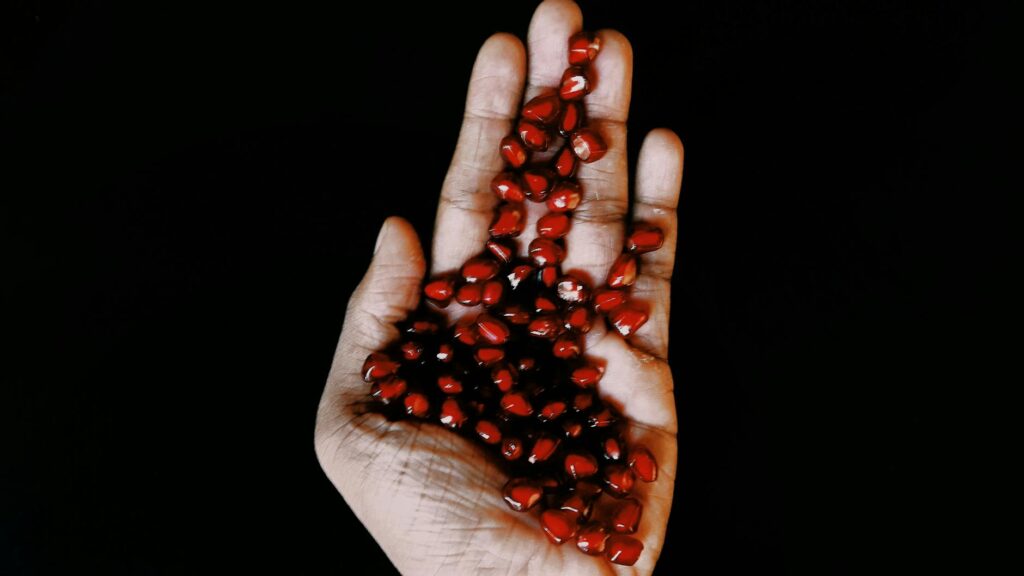
Pomegranate seeds, known for their vibrant ruby hue and tantalizing taste, have captured the attention of culinary enthusiasts and health-conscious individuals alike. Often hailed as “superfoods,” these small arils are not only a delightful addition to various dishes but also carry a rich cultural and historical significance. However, alongside their growing popularity, a plethora of myths and misconceptions has emerged. This article aims to unpack these misunderstandings, providing an authoritative guide to the truths surrounding pomegranate seeds.
What Is Guides?
In the context of food ingredients, guides serve as comprehensive references that provide insights into various aspects of a specific ingredient. They cover everything from the ingredient’s history and production to its uses and common misconceptions. For pomegranate seeds, such guides demystify their role in culinary practices and enhance understanding among consumers and culinary professionals alike.
History and Origins
Pomegranates have a storied history that dates back thousands of years. Native to the region stretching from modern-day Iran to the Himalayas, the pomegranate tree (Punica granatum) has been cultivated since antiquity. Ancient civilizations, including the Egyptians, Greeks, and Persians, revered the fruit, often associating it with fertility, abundance, and immortality.
Archaeological evidence suggests that pomegranates were cultivated in the Mediterranean region around 3000 BCE. Their presence in religious texts and ancient artworks underscores their cultural importance. As trade routes expanded, pomegranates made their way to other parts of the world, including Europe and the Americas, where they adapted to new climates and cultures.
Production and Processing
The production of pomegranate seeds begins with the cultivation of the fruit itself. Pomegranate trees thrive in warm, arid climates, requiring well-drained soil and plenty of sunlight. Major producers of pomegranates include countries like India, Iran, the United States, and Turkey.
Once harvested, pomegranates undergo various processing methods to extract the seeds. Typically, the fruit is cut open, and the arils are separated from the surrounding membrane and skin. This can be done by hand or using specialized machinery. The seeds can be consumed fresh, juiced, or dried, each method preserving different flavors and nutritional profiles.
Quality and Grading
The quality of pomegranate seeds can vary significantly based on several factors, including the variety of the fruit, the region of cultivation, and the method of processing. High-quality pomegranate seeds are plump, juicy, and vibrant in color, with a balanced sweet-tart flavor.
Grading systems for pomegranates often consider factors such as size, color, and firmness. For example, larger, brighter seeds are generally more desirable. In commercial settings, seeds may be graded as “Fancy,” “Choice,” or “Standard,” helping consumers make informed purchasing decisions.
Buying Considerations
When purchasing pomegranate seeds, whether fresh or processed, several factors should be considered:
- Freshness: Look for bright, plump seeds without any signs of browning or mold. Fresh seeds will have a crisp texture and a juicy taste.
- Source: Opt for seeds from reputable suppliers or organic farms when possible. This ensures that the seeds you purchase are free from harmful pesticides or additives.
- Packaging: For packaged seeds, check the expiration date and look for seals indicating quality assurance.
- Varietals: Different pomegranate varieties can offer distinct flavors. Familiarize yourself with popular types, such as Wonderful or Angel Red, to find your preferred taste profile.
Uses and Applications
Pomegranate seeds are versatile ingredients that can be used in various culinary applications. They are commonly added to salads, yogurt, and desserts, providing a burst of flavor and color. Their juice is often utilized in beverages and sauces, enhancing both taste and aesthetic appeal.
In addition to culinary uses, pomegranate seeds are increasingly featured in health foods and supplements, attributed to their antioxidant properties. However, it is essential to approach such claims with a critical eye, as the health benefits can vary based on preparation and consumption methods.
Storage and Shelf Life
Proper storage is crucial to maintaining the freshness and quality of pomegranate seeds. Fresh seeds should be stored in a sealed container in the refrigerator, where they can last for up to one week. If you wish to extend their shelf life, consider freezing them. Frozen pomegranate seeds can maintain their quality for several months, allowing for year-round enjoyment.
Dried pomegranate seeds, often available in health food stores, have a longer shelf life but should be kept in a cool, dry place to prevent spoilage.
Common Misconceptions
Despite their popularity, pomegranate seeds are often surrounded by myths and misconceptions. Below are some of the most prevalent misunderstandings debunked:
1. Pomegranate Seeds Are Toxic: One common misconception is that the seeds or arils are toxic. In reality, they are entirely safe to eat and are rich in nutrients.
2. All Pomegranate Seeds Are the Same: Many believe that all pomegranate seeds have the same flavor and nutritional content. In truth, different varieties yield seeds with varying tastes, colors, and health benefits.
3. Pomegranate Juice Is Just as Healthy as Whole Seeds: While pomegranate juice does contain some beneficial compounds, it often lacks the fiber found in whole seeds. Consuming the seeds provides a more balanced nutritional profile.
4. Pomegranates Are Only Used for Juicing: While pomegranates are often juiced, their seeds are versatile and can be used in various dishes, from salads to desserts.
5. Pomegranate Seeds Can Cause Allergies: Allergies to pomegranate seeds are rare. However, individuals with known fruit allergies should exercise caution.
6. Eating Pomegranate Seeds Will Stain Your Teeth: While pomegranate juice can stain, the seeds themselves do not