
Pumpkin Around the World
Introduction
Pumpkin, a vibrant and versatile ingredient, has transcended its humble agricultural origins to become a staple in cuisines around the globe. Characterized by its distinctive orange hue and rich nutritional profile, pumpkins are not only a fall favorite but also play a significant role in various culinary traditions. This article explores the regions where pumpkins are cultivated, their historical significance, production methods, and diverse applications in food preparation and consumption.
What Are Regions?
In the context of food ingredients, ‘regions’ refers to geographical areas where specific crops are cultivated and utilized. These regions often reflect local climates, soil types, and cultural practices that influence not only the flavor and appearance of the pumpkins grown but also their culinary applications. Understanding the regional distinctions of pumpkins enriches our appreciation for this ingredient and highlights its global significance.
History and Origins
The pumpkin, scientifically known as Cucurbita pepo, has a rich history that dates back thousands of years. Originating in Central America, archaeological evidence suggests that pumpkins were domesticated by indigenous peoples around 7,500 years ago. The earliest forms of pumpkins were small, hard, and not as sweet as modern varieties.
As European settlers arrived in the Americas, they encountered pumpkins and brought them back to Europe, where they were integrated into local cuisines. The pumpkin became particularly popular in North America, especially during the harvest season, leading to the development of iconic dishes such as pumpkin pie. Today, pumpkins are cultivated in diverse climates around the world, reflecting their adaptability and cultural significance.
Production and Processing
Pumpkin production varies significantly across different regions. The United States, China, India, and Mexico are among the leading producers of pumpkins globally.
United States
In the U.S., the Midwest is known as the “Pumpkin Capital,” particularly Illinois, which accounts for a significant portion of the nation’s pumpkin crop. The sandy loam soil and temperate climate provide ideal growing conditions. Most pumpkins are harvested in late September to October, coinciding with Halloween festivities.
China
China is the largest producer of pumpkins worldwide. The country’s diverse climatic regions allow for year-round cultivation. Chinese pumpkins are often used in both traditional dishes and modern culinary creations, emphasizing their versatility.
India
In India, pumpkins are cultivated in various states, including Maharashtra and Karnataka. The ingredient is featured prominently in regional dishes, showcasing the culinary diversity of Indian cuisine. Pumpkins in India are often used in curries and stews, highlighting their adaptability across different cooking methods.
Mexico
Mexico is home to various indigenous pumpkin species, including Cucurbita pepo and Cucurbita maxima. These varieties have been integral to traditional Mesoamerican diets and are used in a range of dishes, from soups to desserts. The cultural significance of pumpkins in Mexico is evident during the Day of the Dead celebrations, where they often feature in altars.
Quality and Grading
The quality of pumpkins is determined by several factors, including size, shape, color, and texture. In commercial settings, pumpkins are graded to ensure consistency and quality for consumers.
Factors Affecting Quality
- Color: A vibrant orange color is a sign of ripeness and nutritional content.
- Shape: Uniform shape is essential for visual appeal, particularly for decorative pumpkins.
- Texture: The skin should be hard and free from blemishes, indicating freshness.
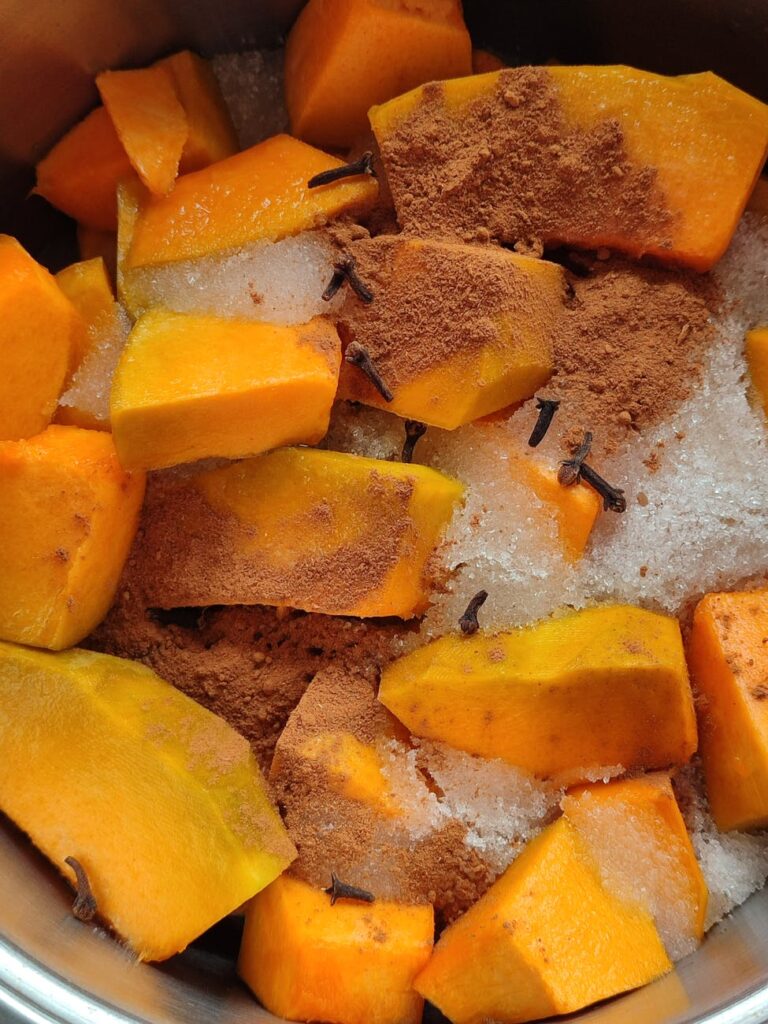
- Savory Dishes: Pumpkins can be roasted, pureed, or incorporated into soups and stews. Their natural sweetness pairs well with spices such as cinnamon and nutmeg, making them ideal for fall dishes.
- Baking: Pumpkins are commonly used in pies, breads, and muffins. The flesh can be pureed and incorporated into batters, adding moisture and flavor.
- Beverages: Pumpkin-flavored drinks, such as lattes and smoothies, have gained popularity, especially in North America during the fall season.
Grading Systems
Pumpkins are often classified into grades such as “US No. 1” for premium quality, which reflects the highest standards for size, shape, and skin condition. Understanding these grading systems can help consumers make informed purchasing decisions.
Buying Considerations
When purchasing pumpkins, several factors should be considered to ensure quality and suitability for intended use.
Seasonality
Pumpkins are typically in season from late summer to early winter. Purchasing during this period guarantees fresher produce.
Selection
Look for pumpkins that feel heavy for their size, with a hard rind and no soft spots. The stem should be intact, as a broken stem can lead to quicker spoilage.
Variety
Different varieties of pumpkins serve different culinary purposes. For example, sugar pumpkins are best for baking due to their sweetness and dense flesh, while larger carving pumpkins are more suited for decorative purposes.
Organic vs. Conventional
Choosing organic pumpkins can be beneficial for those concerned about pesticide use. Organic pumpkins are typically grown without synthetic fertilizers or pesticides, contributing to environmental sustainability.
Uses and Applications
Pumpkins are remarkably versatile, with applications ranging from culinary to decorative.
Culinary Uses
Decorative Uses
Pumpkins are popularly used as decorations, particularly during Halloween. Carving pumpkins into jack-o’-lanterns has become a cherished tradition in many cultures. Beyond Halloween, pumpkins are often used in autumn-themed decor, celebrating the harvest season.
Storage and Shelf Life
Proper storage is essential to prolonging the shelf life of pumpkins.
Whole Pumpkins
Whole pumpkins can be stored in a cool, dry place for several months. Ideal conditions include temperatures between 50°F to 60°F (10°C to 15°C) with low humidity.
Cut Pumpkins
Once a pumpkin is cut, it should be refrigerated and used within a week. The cut flesh can be wrapped in plastic wrap or stored in an airtight container to prevent