
Purslane About Guide Part 7
Introduction
Purslane, scientifically known as Portulaca oleracea, is a succulent plant that has garnered attention for its unique flavor profile and nutritional benefits. Often overlooked in Western cuisine, this vibrant green herb has a rich history and diverse applications across various culinary traditions. This guide delves into the multifaceted nature of purslane, exploring its origins, production methods, quality considerations, and much more.
What Is Purslane?
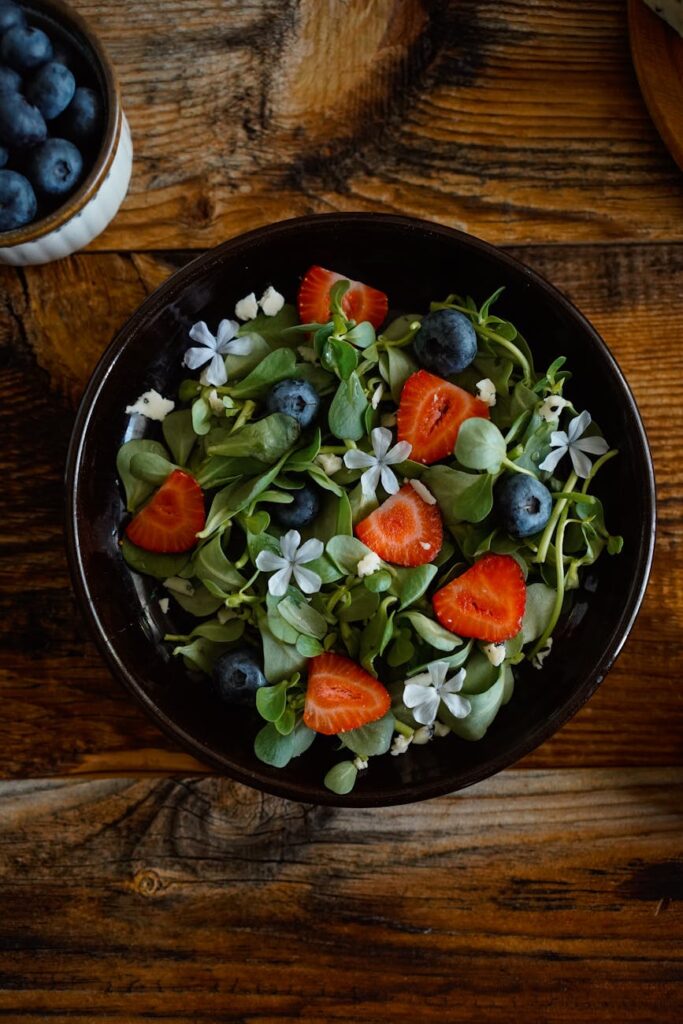
Purslane is a leafy vegetable characterized by its thick, fleshy leaves and red-tinged stems. This hardy plant thrives in a variety of environments, from gardens to wild terrains, and is distinguished by its slightly tart, lemony flavor. Rich in omega-3 fatty acids, vitamins, and minerals, purslane has earned its place in the diets of many cultures, particularly in Mediterranean and Asian cuisines.
History and Origins
The origins of purslane can be traced back thousands of years. It is believed to have been cultivated in ancient Persia, where it was valued not only for its culinary applications but also for its medicinal properties. Historical texts suggest that purslane was consumed by the Romans and Greeks, making it a staple in their diets. Over time, the plant spread to various parts of the world, adapting to different climates and culinary practices.
In many cultures, purslane is recognized as a wild edible, often foraged from gardens and fields. In places like Mexico and India, it is used in traditional dishes, highlighting its versatility. Its ability to thrive in poor soil conditions has further contributed to its status as a resilient and sustainable food source.
Production and Processing
Purslane is typically grown in temperate climates and can be cultivated from seed or harvested wild. The ideal growing conditions include well-drained soil and ample sunlight, although the plant is remarkably adaptable. Farmers often grow purslane organically, as its hardiness makes it resistant to pests and diseases, reducing the need for chemical interventions.
Harvesting purslane can be done by hand, with the tender stems cut just above the soil line. The leaves are then cleaned and packaged for distribution. Due to its perishable nature, purslane should ideally be consumed shortly after harvest to ensure optimal flavor and nutritional benefits.
Quality and Grading
When assessing the quality of purslane, several factors come into play:
1. Appearance: Fresh purslane should have vibrant green leaves, plump stems, and no signs of wilting or discoloration.
2. Texture: The leaves should be succulent and firm, indicating freshness. Avoid any that feel slimy or overly soft.
3. Aroma: A fresh, slightly tangy smell is a good indicator of quality.
Purslane is generally graded on a scale from premium to standard, with premium grades exhibiting the characteristics mentioned above. When purchasing, consumers should look for suppliers that prioritize freshness and proper handling practices.
Buying Considerations
When buying purslane, there are several factors to consider:
- Source: Whenever possible, purchase from local farmers’ markets or organic suppliers to ensure freshness and sustainability.
- Seasonality: Purslane is typically available in the summer months, though it can be found year-round in some regions, especially those with milder climates.
- Form: While fresh purslane is most desirable, it may also be available in dried or powdered forms. Ensure that any dried purslane is stored properly to maintain its flavor and nutritional value.
- Organic Certification: If you prefer organic produce, look for certification labels that assure the plant was grown without synthetic pesticides or fertilizers.
- Salads: Its crisp texture and tangy flavor make it an excellent addition to salads, providing a refreshing contrast to other greens.
- Soups and Stews: Purslane can be added to soups and stews for an extra layer of flavor and nutrition.
- Sautéed or Stir-Fried: Lightly sautéing purslane with garlic and olive oil enhances its flavor and can serve as a delicious side dish.
- Garnish: Fresh purslane leaves can be used as a vibrant garnish for various dishes, adding both color and a nutritional boost.
- Smoothies: Its mild flavor makes purslane a candidate for blending into smoothies, contributing nutrients without overpowering the other ingredients.
- Refrigeration: Place purslane in a plastic bag or container in the refrigerator. Ideally, it should be consumed within a few days of purchase for optimal freshness.
- Avoid Moisture: Excess moisture can lead to spoilage, so it’s best to keep the leaves dry until just before use.
- Freezing: While not commonly frozen due to its texture changes, purslane can be blanched and frozen for later use in cooked dishes.
- Invasive Weed: Many perceive purslane as a common weed, which leads to its underutilization. However, this plant has significant culinary and nutritional value.
- Only for Health Food: While purslane is indeed nutritious, its flavor and texture make it suitable for a wide range of culinary applications, not just health-focused dishes.
- Limited Availability: Although it may not be as common in Western markets, purslane is widely consumed in various cultures and can often be found at farmers’ markets or specialty stores.
Uses and Applications
Purslane is a versatile ingredient that can be employed in a myriad of culinary applications:
Storage and Shelf Life
Fresh purslane is highly perishable and should be stored with care. To extend its shelf life:
Proper storage practices can help maintain the flavor and nutritional value of purslane, making it a delightful addition to your meals.
Common Misconceptions
Despite its many benefits, purslane is often misunderstood or overlooked. Here are some common misconceptions: