
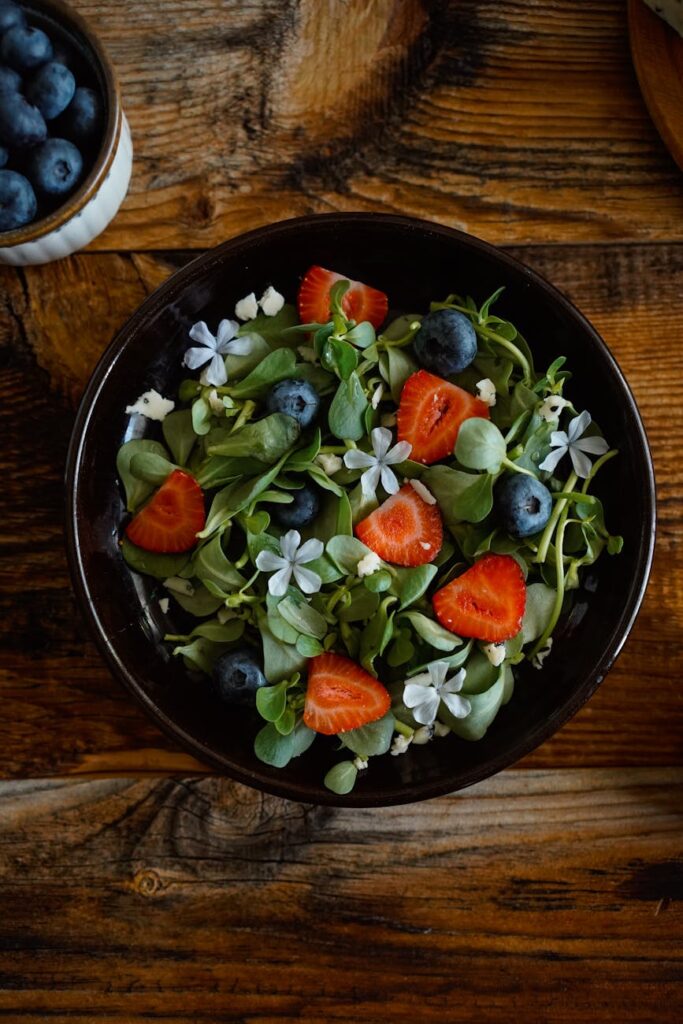
Purslane Buying Guide Part 7
Introduction
Purslane (Portulaca oleracea) is a succulent, leafy green that has been cherished for its unique flavor and nutritional profile across various cultures. Often regarded as a weed, this versatile ingredient has a rich history and offers numerous culinary possibilities. This guide aims to provide comprehensive insights into buying purslane, ensuring you make informed choices whether you are a home cook, chef, or food enthusiast.
What Is Buying?
Buying refers to the process of selecting and purchasing food ingredients, in this case, purslane. It encompasses various considerations, including quality, price, and availability. Understanding how to buy purslane effectively can significantly enhance your culinary experience, allowing you to incorporate this nutrient-rich ingredient seamlessly into your dishes.
History and Origins
Purslane has a storied history that dates back to ancient times. This plant is believed to have originated in India, though it has long been cultivated and used across the globe. Ancient Egyptians recognized its nutritional benefits, and it was a staple in the diets of various Mediterranean cultures. Purslane was introduced to the Americas by European settlers, where it has since flourished and integrated into local cuisine.
The plant is notable for its resilience, thriving in a range of environments. Its ability to grow in poor soil and arid conditions has contributed to its status as a foraged food in many regions, particularly in rural communities where it is often harvested from the wild.
Production and Processing
Purslane is typically cultivated in warm climates, favoring areas with full sun and well-drained soil. It can be grown in gardens, fields, or pots and is often sown in the spring. The plant is relatively low-maintenance, requiring minimal water once established. Harvesting can occur throughout the growing season, as the tender leaves and stems are most desirable.
Once harvested, purslane is often sold fresh in local markets, grocery stores, or specialty food shops. It is also available in dried or preserved forms, though these may not retain the same flavor profile and nutritional benefits as fresh purslane. When purchasing, it is advisable to source from reputable suppliers who adhere to quality standards, ensuring the best experience.
Quality and Grading
Quality is a crucial aspect of buying purslane. Factors that influence quality include freshness, appearance, and taste. Here are some key indicators to consider:
- Freshness: Look for vibrant green leaves that are firm and crisp. Fresh purslane should have a slight sheen and should not appear wilted or discolored.
- Appearance: Avoid any purslane that shows signs of browning, wilting, or sliminess. The stems should be succulent and not overly woody.
- Taste: High-quality purslane offers a mildly tangy, slightly lemony flavor, which can enhance a variety of dishes.
- Seasonality: Purslane is typically in season during the warmer months. Buying in-season produce ensures optimal flavor and freshness. Off-season availability may come from imports, which can affect quality.
- Source: Consider where you are buying purslane. Farmers’ markets often provide fresher options than grocery stores. Local suppliers may also offer organically grown varieties, which can enhance flavor and reduce pesticide exposure.
- Form: While fresh purslane is the most popular choice, it is also available in dried or pickled forms. Fresh purslane is best for salads and garnishes, while dried forms may be suited for seasoning or as an ingredient in soups.
- Price: Pricing can vary based on the season and location. Generally, purslane is an affordable option, but higher prices may reflect organic or locally sourced varieties. Comparing prices at different vendors can lead to better deals.
- Refrigeration: Fresh purslane should be stored in the refrigerator, ideally in a perforated plastic bag to maintain moisture while allowing for airflow. It can generally last up to a week when stored properly.
- Preparation: If you’ve already prepared purslane, such as by washing or chopping, consume it within two to three days to ensure it remains fresh.
- Freezing: While freezing purslane is possible, it may alter its texture. For best results, blanch the leaves briefly before freezing if you plan to use them in cooked dishes later.
- Weed Status: Many people dismiss purslane as a mere weed. While it can grow in gardens and fields, its nutritional benefits and unique flavor make it a prized ingredient in various cuisines.
- Taste: Some may assume that purslane tastes bland or unremarkable. In reality, it offers a refreshing, slightly tangy flavor that can elevate many dishes when used correctly.
- Availability: There is a common belief that purslane is difficult to find. In truth, it
While there is no standard grading system for purslane, these characteristics can help buyers assess quality effectively.
Buying Considerations
When purchasing purslane, several factors should guide your decision:
Uses and Applications
Purslane’s culinary versatility makes it a valuable ingredient in various dishes. It can be used raw in salads, providing a crunchy texture and refreshing flavor. It pairs well with tomatoes, cucumbers, and other summer vegetables. In cooked applications, purslane can be sautéed, added to soups, or incorporated into grain dishes, where its unique taste can complement other ingredients.
In addition to its culinary uses, purslane has been historically valued for its nutritional benefits. It is high in omega-3 fatty acids, vitamins A, C, and E, and various antioxidants. This nutritional profile makes it an ideal addition to health-conscious recipes.
Storage and Shelf Life
Storage plays a significant role in maintaining the freshness of purslane. Here are some tips for optimal storage:
Common Misconceptions
Despite its culinary potential, several misconceptions about purslane persist: