
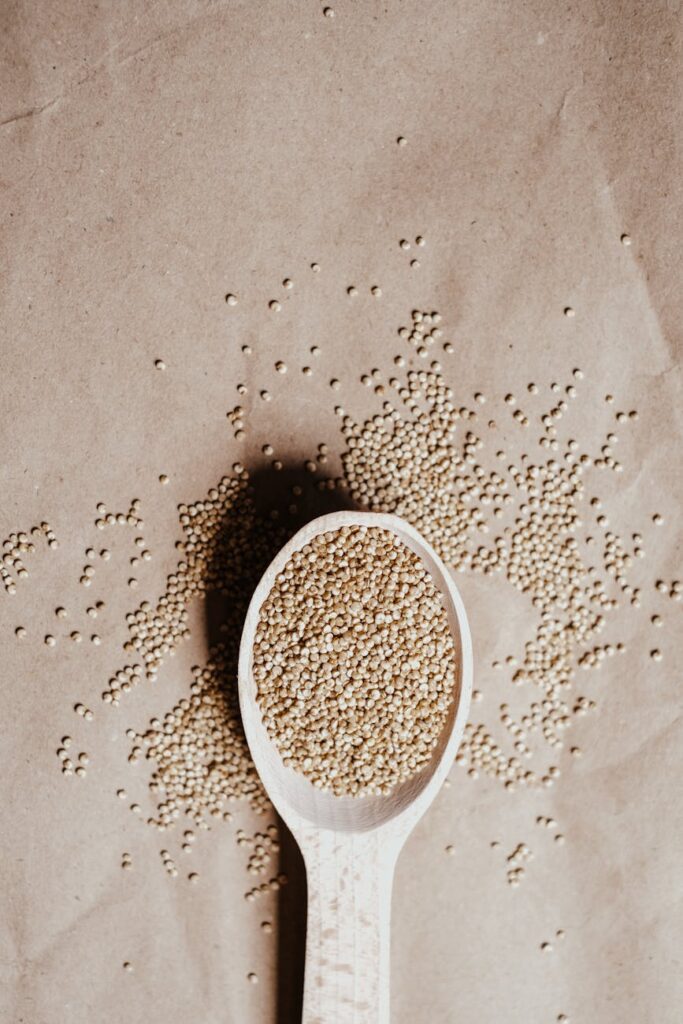
Quinoa Growing Guide Part 7
Introduction
Quinoa, often hailed as a superfood, is not only revered for its nutritional value but also for its adaptability to various growing conditions. This guide delves into the intricate aspects of growing quinoa, providing insights into its history, production methods, quality grading, and more. Whether you are an aspiring farmer or a curious consumer, understanding these facets can enhance your appreciation for this remarkable grain.
What Is Growing?
In the context of quinoa, “growing” refers to the cultivation process that transforms quinoa seeds into robust plants ready for harvest. This process encompasses several stages, including soil preparation, planting, irrigation, pest management, and harvesting. Each stage plays a critical role in determining the health of the quinoa plants and the quality of the final yield.
Growing quinoa requires specific knowledge of its environmental needs, such as temperature, soil type, and water requirements, as well as an understanding of best practices for sustainable agriculture.
History and Origins
Quinoa (Chenopodium quinoa) is a seed native to the Andean region of South America, where it has been cultivated for over 5,000 years. The Incas revered quinoa as the “mother grain,” recognizing its nutritional value and versatility. It was a staple food in their diet and played a significant role in their agricultural practices.
The plant thrives in high-altitude environments, typically between 2,500 and 4,000 meters above sea level. Its ability to withstand harsh climatic conditions, such as drought and frost, has made quinoa an appealing crop for sustainable agriculture, particularly in areas facing the challenges of climate change.
In recent decades, quinoa has gained global popularity, transitioning from a local staple to an international commodity. This surge in interest has led to increased cultivation in diverse regions, including North America, Europe, and Asia, making quinoa a truly global crop.
Production and Processing
Growing quinoa requires careful attention to detail throughout the production process. Here’s a breakdown of the essential steps:
Soil Preparation
Quinoa prefers well-drained, sandy loam soils with a pH ranging from 6 to 8. Prior to planting, soil should be tested to assess nutrient levels and pH balance. Organic amendments, such as compost or well-rotted manure, can enhance soil fertility.
Planting
Quinoa is typically sown in spring once the soil temperature reaches at least 12°C (54°F). Seeds are planted at a depth of 1 to 2 inches, spaced approximately 12 to 18 inches apart in rows. This spacing allows for adequate airflow and reduces competition among plants.
Irrigation
While quinoa is drought-resistant, it requires sufficient moisture during germination and early growth stages. Irrigation may be necessary in arid regions. Once established, quinoa can tolerate dry spells but benefits from regular watering during flowering and seed development.
Pest Management
Quinoa is relatively pest-resistant, but it can be affected by insects such as aphids and leafhoppers. Integrated pest management (IPM) strategies, including crop rotation and natural predators, can help minimize infestations.
Harvesting
Quinoa is ready for harvest when the seed heads begin to dry and the seeds change color, typically between late summer and early fall. Harvesting can be done manually or with specialized machinery. Care must be taken to minimize seed loss, as quinoa seeds are small and can easily be shed from the plant.
Quality and Grading
The quality of quinoa is assessed based on several factors, including seed size, color, and the presence of foreign materials or impurities. Grading systems may vary by region, but generally, quinoa is classified into three main categories:
1. Premium: High-quality seeds, uniform in size and color, with minimal impurities.
2. Standard: Good quality but may have slight variations in size or color.
3. Substandard: Seeds with significant impurities, broken seeds, or variations that affect overall quality.
Quality quinoa is typically free of saponins, a bitter coating that can affect taste. Producers often rinse quinoa thoroughly before packaging to ensure it is palatable for consumers.
Buying Considerations
When purchasing quinoa, consumers should consider the following factors:
1. Origin: Quinoa from different regions may vary in flavor and texture. South American quinoa is often considered the traditional choice, while American-grown quinoa may have unique characteristics.
2. Color: Quinoa comes in various colors, including white, red, and black. Each type has a slightly different flavor profile and culinary uses.
3. Certification: Look for organic or non-GMO certifications, as these can indicate higher quality and sustainable farming practices.
4. Packaging: Ensure that the quinoa is packaged in a way that protects it from moisture and light, which can compromise its quality.
Uses and Applications
Quinoa is incredibly versatile and can be utilized in numerous culinary applications. Its nutty flavor and unique texture make it an excellent substitute for grains like rice or couscous. Common uses include:
- Salads: Quinoa adds a hearty component to salads, enhancing both flavor and nutrition.
- Side Dishes: It can be served alongside meats or vegetables, often cooked with spices or broth for added depth.
- Breakfast: Quinoa can be used in breakfast dishes such as porridge or mixed with fruits and nuts for a nutritious start to the day.
- Baking: Ground quinoa flour can be incorporated into baked goods, providing a gluten-free alternative.
Storage and Shelf Life
Proper storage is critical to maintaining the quality of quinoa. It should be kept in a cool, dry place, preferably in an airtight container. When stored correctly, quinoa can last for up to two years without significant loss of flavor or nutritional value. Bulk purchases should be divided into smaller portions for easier handling and to minimize exposure to air