
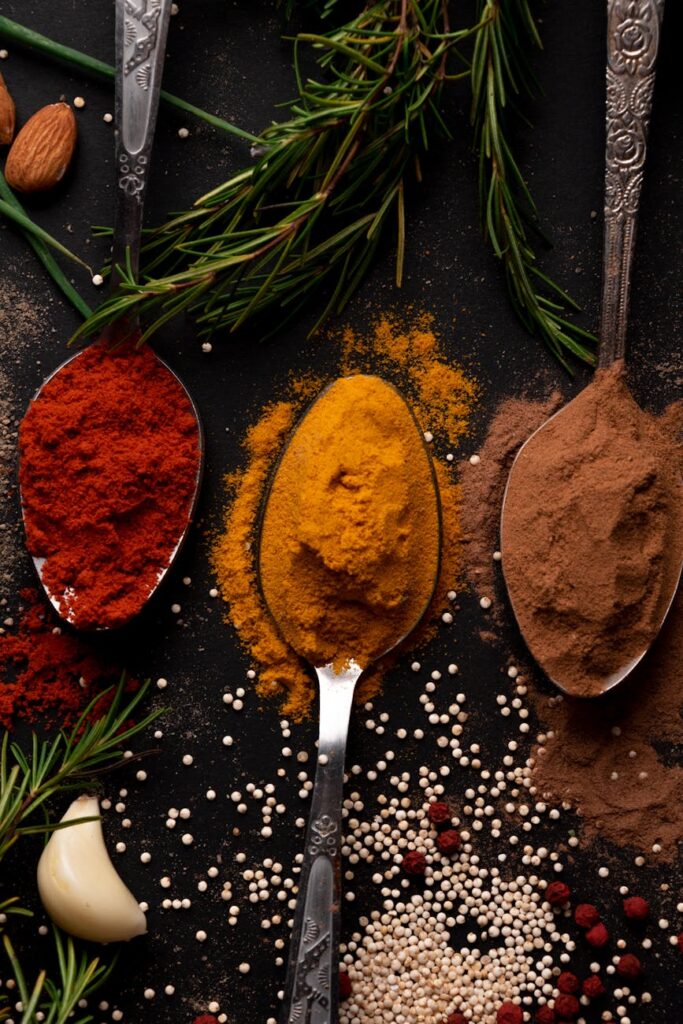
Quinoa Production by Country
Introduction
Quinoa, often heralded as a superfood, has gained immense popularity worldwide due to its nutritional profile and versatility. This ancient grain, native to the Andean region of South America, has transcended its geographical origins to become a staple in global diets. As awareness of its health benefits and culinary potential grows, understanding the nuances of quinoa production by country is essential for consumers, chefs, and nutritionists alike. This article delves into the regions where quinoa is cultivated, its history, production processes, quality standards, and more.
What Is Regions?
In the context of quinoa, “regions” refers to the geographical areas where quinoa is cultivated and processed. These regions significantly impact the quality, variety, and characteristics of the quinoa produced. Factors such as climate, soil composition, and traditional agricultural practices shape the unique profiles of quinoa from different countries. The most notable regions include the Andean countries of Bolivia, Peru, and Ecuador, where quinoa has been grown for thousands of years.
History and Origins
Quinoa (Chenopodium quinoa) is an ancient grain that has been cultivated in the Andean highlands for over 5,000 years. Its origins can be traced back to the ancient civilizations of the Incas, who revered it as a sacred crop. The Incas referred to quinoa as “chisaya mama,” or “mother grain,” emphasizing its fundamental role in their diet and culture.
In the 20th century, quinoa began to gain attention beyond South America due to its impressive nutritional properties, including high protein content, essential amino acids, and gluten-free status. In the early 21st century, as global interest surged, farmers in Bolivia, Peru, and Ecuador ramped up production, leading to quinoa’s status as a trendy health food in various parts of the world.
Production and Processing
Major Producing Countries
1. Bolivia: Bolivia is one of the largest producers of quinoa, particularly the “Royal Quinoa” variety, known for its large, nutty grains. The Altiplano region, characterized by its high altitude and unique climate, provides ideal conditions for quinoa cultivation.
2. Peru: Peru ranks as another significant player in quinoa production. The southern regions, such as Puno and Cusco, are famous for their diverse varieties, including red, black, and white quinoa. Peruvian quinoa is often praised for its flavor and texture.
3. Ecuador: Ecuador’s production is concentrated in the Andean highlands, where farmers cultivate quinoa using traditional methods. The country is known for its organic quinoa and commitment to sustainable agriculture.
4. United States: In recent years, quinoa production has expanded to the United States, particularly in states like Colorado and California. American farmers have embraced quinoa cultivation, often focusing on organic practices to meet growing domestic demand.
5. Other Countries: Countries like Canada, Argentina, and France have also begun growing quinoa, seeking to capitalize on its rising popularity. However, their production levels remain relatively low compared to the Andean nations.
Processing
After harvest, quinoa undergoes several processing steps to prepare it for consumption. The seeds are typically coated with saponins, a natural bitter compound that protects them from pests. To enhance palatability, quinoa must be thoroughly rinsed to remove these saponins before cooking.
Post-harvest processing also includes drying, grading, and packaging. Quality control is crucial during this phase to ensure that only the best grains reach consumers.
Quality and Grading
Quality is paramount in quinoa production, with several factors influencing the grading process:
1. Color: Quinoa comes in various colors, including white, red, black, and mixed. Each color has distinct culinary properties and market preferences. White quinoa is the most common, while red and black varieties are often considered premium options due to their unique flavors and textures.
2. Grain Size: The size of quinoa grains can vary, with larger grains often fetching higher market prices. Grains are typically sorted by size during processing.
3. Purity: High-quality quinoa should be free from impurities, foreign seeds, and damaged grains. Rigorous quality control measures are implemented to maintain these standards.
4. Organic Certification: Many consumers prefer organic quinoa, which is cultivated without synthetic pesticides or fertilizers. Certification standards vary by country but are essential for ensuring product integrity.
Buying Considerations
When purchasing quinoa, several factors should be taken into account to ensure quality:
1. Origin: Knowing the origin of the quinoa can provide insights into its quality and flavor. Quinoa from Bolivia, Peru, and Ecuador is often regarded as superior due to traditional cultivation methods.
2. Certification: Look for certifications such as organic, fair trade, or non-GMO to guarantee ethical sourcing and sustainable practices.
3. Packaging: Quinoa should be packaged in airtight, opaque containers to protect it from light and moisture. Avoid products with damaged packaging, as this can indicate compromised quality.
4. Variety: Consider which variety of quinoa best suits your culinary needs. White quinoa is versatile, while red and black varieties may offer unique flavors that enhance specific dishes.
Uses and Applications
Quinoa has established itself as a versatile ingredient in various culinary applications:
1. Culinary Uses: Quinoa can be used as a base for salads, soups, and grain bowls. Its nutty flavor and chewy texture complement a wide range of ingredients, from vegetables to proteins.
2. Baking: Quinoa flour is increasingly used in gluten-free baking. It can be blended with other flours to create bread, muffins, and pancakes.
3. Snacks: Quinoa can be processed into snacks, such as puffed quinoa, granola bars, and quinoa chips, offering a nutritious alternative to traditional snack foods.
4. Beverages: In some regions, quinoa is used to produce beverages such as chicha, a fermented drink, or quinoa milk, a dairy alternative.
Storage and Shelf Life
Proper storage is essential to maintain quinoa’s quality and shelf life. Store quinoa in a cool, dry place, away from sunlight and moisture. Ideally, it should be kept in an airtight container to prevent exposure to air, which can lead to spoilage.
Uncooked quinoa can last for several years when stored correctly. However, once cooked, quinoa should be refrigerated and consumed within a week. Freezing cooked quinoa can extend its shelf life, allowing for convenient meal prep.
Common Misconceptions
Despite its popularity, several misconceptions about quinoa persist:
1. Quinoa Is a Grain: Technically, quinoa is a seed, not a grain. It belongs to the Chenopodiaceae family, which also includes beets and spinach.
2. All Quinoa Is the Same: The nutritional content and flavor profiles of quinoa can vary significantly based on the variety and region of production.
3. Quinoa Is Gluten-Free: While quinoa itself is gluten-free, cross-contamination can occur during processing. It’s crucial for those with celiac disease to ensure they purchase certified gluten-free quinoa.
4. Quinoa Farming Is Harmful to Indigenous Cultures: While the global demand for quinoa has increased, impacting local communities, many farmers are adopting sustainable practices to ensure that quinoa production benefits the local economy without compromising cultural heritage.
Frequently Asked Questions
1. What is the best way to cook quinoa?
The best way to cook quinoa is to rinse it under cold water to remove saponins, then combine it with water or broth at a ratio of 1:2. Bring it to a boil, reduce heat, cover, and simmer for about 15-20 minutes until the water is absorbed.
2. How can I tell if quinoa is fresh?
Fresh quinoa will have a pleasant, nutty aroma and firm texture. If it smells off or has a noticeable bitterness, it may be stale or improperly processed.
3. Is quinoa more nutritious than rice?
Quinoa is often considered more nutritious than rice due to its higher protein content, essential amino acids, and fiber. It also contains beneficial vitamins and minerals.
4. Can quinoa be eaten raw?
While quinoa can be sprouted and consumed raw, it is typically cooked before consumption to enhance digestibility and flavor.
5. How does quinoa affect blood sugar levels?
Quinoa has a low glycemic index, which means it can have a less pronounced effect on blood sugar levels compared to high-glycemic foods. However, individual responses may vary.
6. Where can I buy high-quality quinoa?
High-quality quinoa can be found in specialty health food stores, organic markets, and online retailers. Always check for certifications and product origin to ensure quality.
Conclusion
Quinoa’s rise from an ancient staple of the Andean civilizations to a global superfood reflects a growing appreciation for its nutritional benefits and culinary versatility. As consumers become more discerning about their food choices, understanding the nuances of quinoa production, quality, and application will enhance the culinary experience. By recognizing the regions where quinoa is grown and the factors influencing its quality, individuals can make informed choices that support sustainable agriculture and celebrate this remarkable grain.