
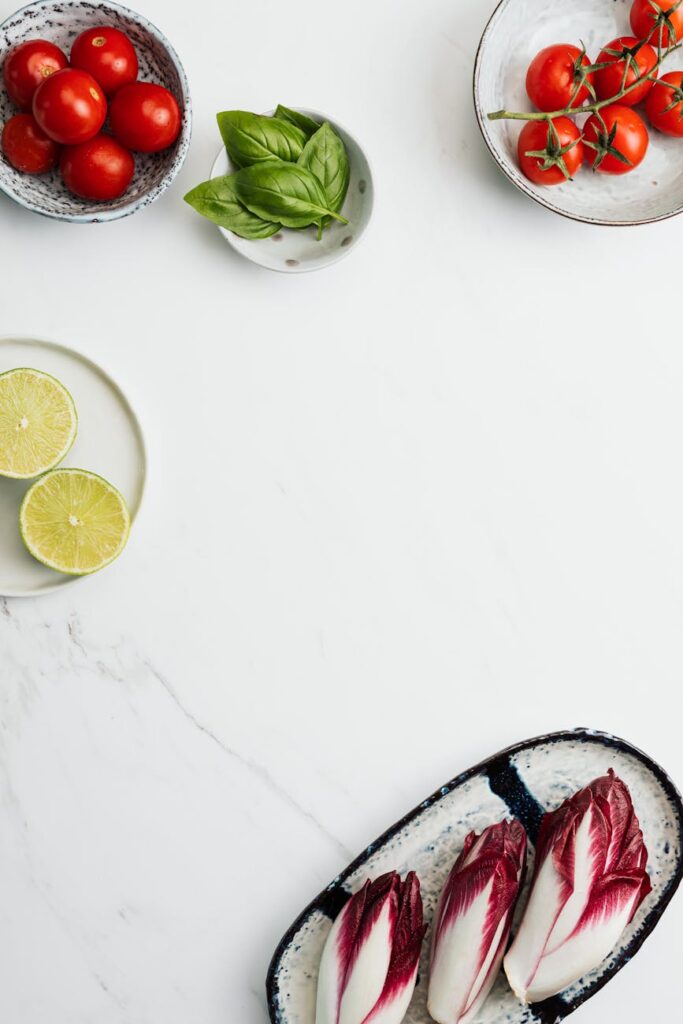
Radicchio Growing Guide Part 7
Introduction
Radicchio, a vibrant and bitter leafy vegetable, has gained significant attention in culinary arts for its distinct flavor and striking appearance. As part of the chicory family, it offers not only aesthetic appeal but also a robust profile of textures and tastes. This guide aims to explore the various aspects of growing radicchio, including its history, production, quality grading, and storage practices, providing a comprehensive resource for both novice and experienced growers.
What Is Growing?
In the context of horticulture, ‘growing’ refers to the processes involved in cultivating plants from seeds or seedlings to maturity, ready for harvest. For radicchio, this includes understanding its specific growing conditions, nutritional needs, and pest management strategies. Successful cultivation calls for an awareness of the plant’s growth cycle, environmental preferences, and care requirements, ensuring that the end product is both high in quality and flavor.
History and Origins
Radicchio has a rich history that dates back to ancient times. Its origins can be traced to the Mediterranean region, particularly Italy, where it has been cultivated for centuries. The name “radicchio” comes from the Italian word for “root,” reflecting its connection to the chicory family. Over time, different varieties have emerged, each with unique characteristics and flavors, ranging from the deep red of Radicchio di Chioggia to the more frilled leaves of Radicchio di Treviso.
In Italy, radicchio is celebrated not only for its culinary uses but also for its cultural significance. It is often featured in seasonal festivals and traditional dishes, highlighting its integral role in Italian cuisine. Today, radicchio is grown in various parts of the world, including North America, where it has found a place in both commercial agriculture and home gardens.
Production and Processing
Cultivation Practices
Radicchio thrives in well-drained, fertile soil with a pH level between 6.0 and 7.0. It prefers full sun but can tolerate partial shade, particularly in warmer climates. The seeds are typically sown in early spring or late summer, depending on the desired harvest time. The germination period usually spans 7 to 14 days. Once seedlings are established, they can be thinned to allow for adequate space, promoting healthy growth.
Watering and Fertilization
Adequate watering is crucial, particularly during the initial growth phase. Radicchio requires consistent moisture without waterlogging, making drip irrigation a preferred method. Fertilization should be done with a balanced, nitrogen-rich fertilizer, particularly during the early stages of growth. As the plants mature, a switch to a phosphorus and potassium-rich fertilizer will help enhance their flavor and color.
Pest and Disease Management
Like many leafy greens, radicchio is susceptible to pests such as aphids and slugs. Implementing integrated pest management (IPM) strategies, including crop rotation and the introduction of beneficial insects, can help mitigate infestations. Additionally, monitoring for diseases like downy mildew and root rot is essential. Proper air circulation and avoiding overhead watering can minimize disease occurrences.
Quality and Grading
The quality of radicchio is determined by several factors, including color, texture, and overall appearance. High-quality radicchio should have vibrant, crisp leaves that are free from blemishes or wilting. When grading radicchio, buyers often consider the following criteria:
- Color: Deep, rich red or purple hues are indicative of maturity and flavor.
- Size: Uniformity in size is essential, with heads typically weighing between 0.5 to 1.5 pounds.
- Texture: Leaves should be firm and crisp, with no signs of wilting or decay.
- Freshness: Look for heads with vibrant colors and crisp leaves. Avoid any that show signs of wilting or browning.
- Seasonality: Radicchio is typically in season from late fall to early spring, making it more flavorful during these months.
- Source: Opt for locally grown radicchio when possible, as it tends to be fresher and may have a lower environmental impact.
Grading systems may vary by region, but adhering to these standards ensures that consumers receive a product that meets their expectations.
Buying Considerations
When purchasing radicchio, whether at a farmers’ market or grocery store, several factors should be taken into account:
Additionally, consider organic certifications, which often indicate that the radicchio has been grown without synthetic fertilizers and pesticides, aligning with sustainable agricultural practices.
Uses and Applications
Radicchio is a versatile ingredient found in various culinary applications. Its distinct bitterness makes it an excellent addition to salads, providing a contrast to sweeter ingredients. It can be grilled, roasted, or sautéed, helping to mellow its flavor while enhancing its natural sweetness.
In Italian cuisine, radicchio is often used in risottos, pasta dishes, and as a pizza topping. Furthermore, its vibrant color adds a decorative element to dishes, making it a popular choice for chefs aiming to create visually appealing meals. Beyond traditional applications, radicchio can also be incorporated into smoothies or juices, offering a unique flavor profile and nutritional benefits.
Storage and Shelf Life
Proper storage of radicchio is vital for maintaining its quality. When stored in the refrigerator, radicchio can last for up to two weeks. It is best kept in a perforated plastic bag to allow for air circulation while retaining moisture. Avoid washing radicchio until just before use, as excess moisture can lead to spoilage.
If you find yourself with an abundance of radicchio, consider blanching and freezing it. This process helps preserve its flavor and nutritional content, allowing for future use in cooked dishes.
Common Misconceptions
Despite its popularity, several misconceptions exist surrounding radicchio:
1.