
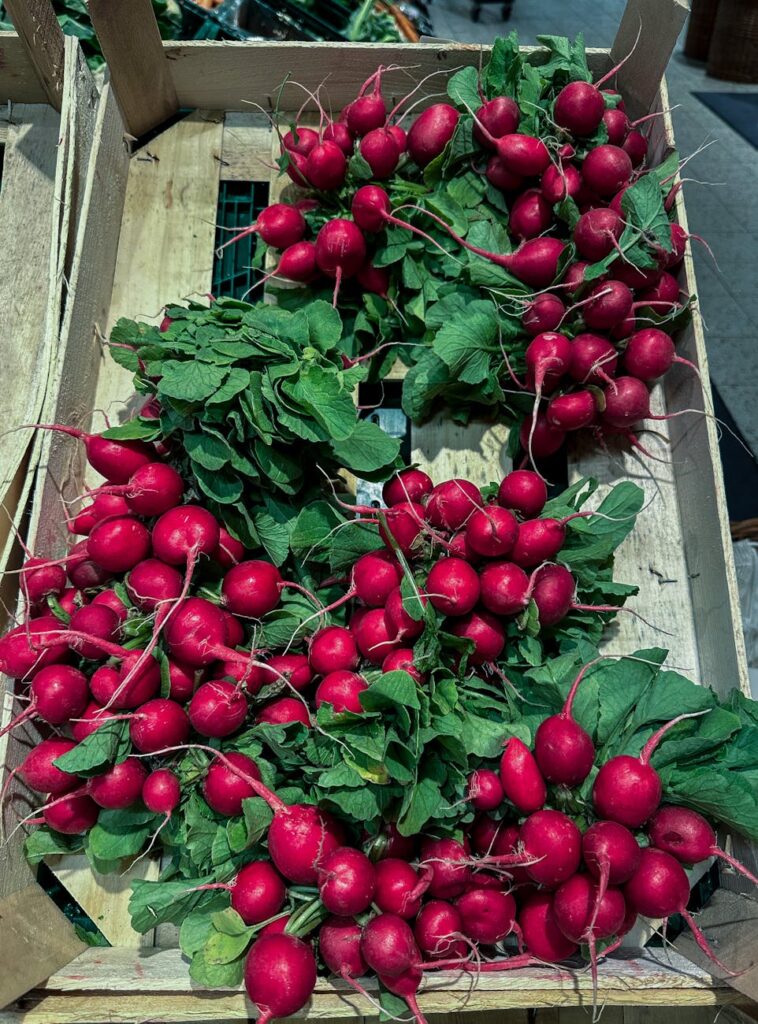
Radish Around the World
Introduction
Radishes, known for their crisp texture and peppery flavor, are a versatile vegetable found in cuisines worldwide. While often overlooked in favor of more glamorous ingredients, radishes offer a delightful crunch and vibrant color to dishes. This article explores the various regions where radishes are cultivated, their historical significance, production methods, grading standards, and their myriad uses across global cuisines.
What Is Regions?
In the context of food ingredients, “regions” refers to the geographic areas where specific varieties of an ingredient are grown and cultivated. Each region contributes unique characteristics to the ingredient due to factors such as climate, soil quality, and agricultural practices. For radishes, these regions not only influence taste and texture but also dictate how they are utilized in different culinary traditions.
History and Origins
Radishes are believed to have originated in Southeast Asia, specifically in the region that encompasses modern-day China and India. Archaeological evidence suggests that radishes were cultivated as early as 2000 BC. Ancient Egyptians valued radishes so highly that they used them as a form of currency when trading with workers who built the pyramids.
The Greeks and Romans also appreciated radishes, often incorporating them into their diets. The ancient Greeks grew a variety known as “raphanus,” from which the modern term “radish” is derived. By the Middle Ages, radishes had spread throughout Europe, where they became a staple in various local cuisines.
As global trade expanded, radishes made their way to the Americas, where they adapted to new growing conditions, leading to the development of several regional varieties. Today, radishes are grown in diverse climates, from temperate to tropical regions, making them a truly global ingredient.
Production and Processing
Radish cultivation occurs in numerous regions worldwide, with significant production in countries like China, the United States, Japan, and South Korea. China stands out as the largest producer, accounting for nearly 60% of the global radish output. The country’s diverse climatic conditions allow for the cultivation of various radish types throughout the year.
Cultivation Practices
Radishes thrive in well-drained, loamy soil with ample sunlight. They are typically planted in spring or fall, depending on the variety and local climate. Quick-growing varieties can mature in as little as three weeks, while larger types may take several months.
Farmers employ both conventional and organic farming methods. Organic radishes are grown without synthetic pesticides and fertilizers, relying on natural processes to enhance growth. This has led to a growing market for organic radishes, particularly in health-conscious regions.
Processing Methods
Once harvested, radishes are usually washed, sorted, and packaged for distribution. Quality control is essential during this stage to ensure that only the best radishes reach consumers. They may also undergo minimal processing, such as slicing or pickling, to create ready-to-eat options.
Quality and Grading
The quality of radishes is determined by several factors, including size, color, and firmness. In many regions, radishes are graded into categories such as “U.S. No. 1” or “Fancy,” which indicate the best quality. Characteristics of high-quality radishes include:
- Color: Vibrant, consistent coloring is desirable. For example, red radishes should be bright red without blemishes.
- Texture: Firmness indicates freshness. A crisp radish is preferable to one that is soft or wilted.
- Size: Depending on the variety, radishes come in different sizes, but uniformity is often preferred in commercial markets.
- Seasonality: Fresh radishes are typically available in spring and fall, depending on the variety. Off-season radishes may be less flavorful and more expensive.
- Variety: Different types of radishes, such as daikon, black radish, and red globe, have distinct flavors and uses. Understanding the variety will help in selecting the right radish for a specific culinary application.
- Source: Local farmers’ markets often provide fresher options than supermarkets, where radishes may have been stored for longer periods.
- Raw: Often enjoyed raw in salads, radishes add a crunchy texture and a peppery bite. They can be sliced, diced, or even spiralized.
- Pickled: Pickling radishes enhances their flavor and preserves them for longer periods. Pickled radishes are common in Asian cuisines, often served as condiments.
- Cooked: While less common, radishes can be sautéed, roasted, or incorporated into soups and stews. Cooking mellows their sharp flavor and creates a tender texture.
- Garnish: Their vibrant colors make radishes excellent garnishes for a variety of dishes, adding visual appeal.
- Refrigeration: Store radishes in the crisper drawer of the refrigerator, ideally wrapped in a damp paper towel and placed in a perforated plastic bag to maintain humidity.
- Separation: Keep radishes away from ethylene-producing fruits like apples and bananas, which can accelerate spoilage.
- Shelf Life: Fresh radishes can typically last about one to two weeks in
Different countries may have their own grading standards, so it is crucial for buyers to understand local practices.
Buying Considerations
When purchasing radishes, consumers should consider several factors to ensure they select the best quality:
Uses and Applications
Radishes are versatile ingredients used in various culinary applications.
Culinary Uses
Cultural Significance
In many cultures, radishes hold symbolic meanings. For example, in Mexico, the Night of the Radishes (Noche de Rábanos) is a traditional festival where artisans carve intricate scenes from radishes, celebrating local culture and creativity.
Storage and Shelf Life
Proper storage is crucial for maintaining the freshness and quality of radishes.