
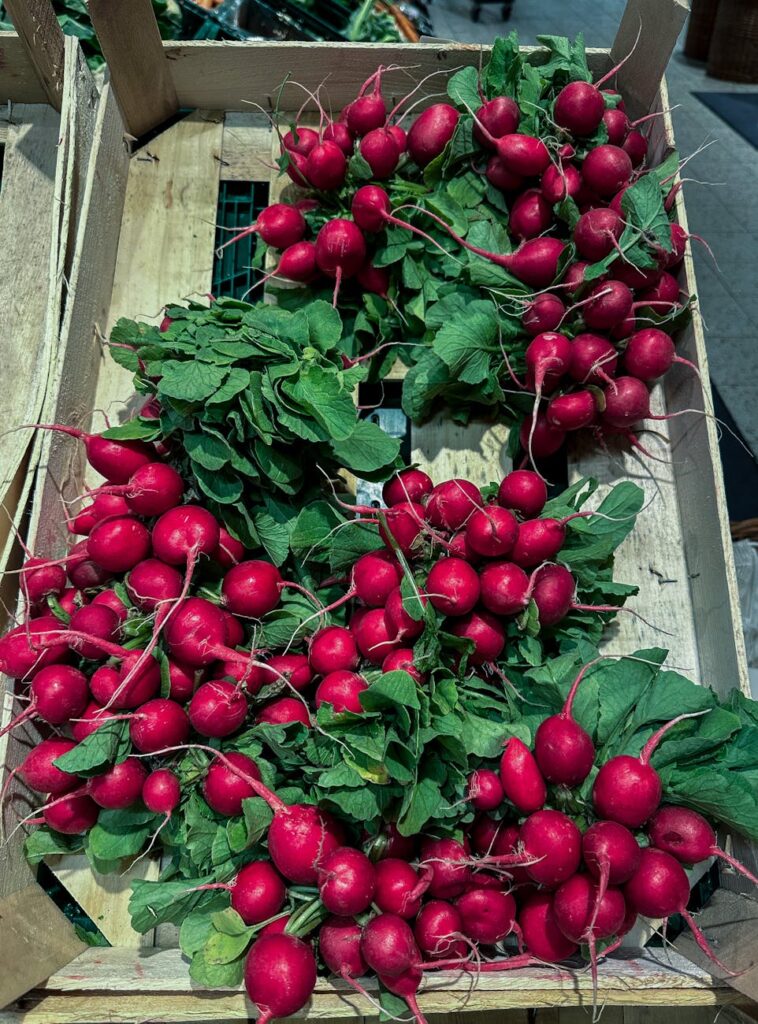
Radish Cultivation Explained
Introduction
Radishes, known scientifically as Raphanus sativus, are versatile root vegetables that belong to the Brassicaceae family. With their crisp texture and peppery flavor, they are a staple in salads, garnishes, and various culinary applications worldwide. However, beyond their culinary appeal lies an intricate process of cultivation that requires understanding various environmental, biological, and agricultural principles. This article delves into the nuances of radish cultivation, exploring its history, production methods, quality assessments, and more.
What Is Growing?
Growing, in the context of radish cultivation, refers to the agronomic practices involved in the successful propagation of radishes from seed to harvest. This encompasses various stages, including soil preparation, planting, watering, pest management, and harvesting. Understanding the specific requirements for radish growth is essential for achieving optimum yields and quality.
Radishes are generally classified as cool-season crops, thriving in well-drained, fertile soils with consistent moisture levels. The cultivation process is relatively straightforward, making them an excellent choice for both novice and experienced gardeners alike. The growth cycle of radishes can vary, but most varieties mature within three to six weeks from sowing.
History and Origins
Radishes have a rich and ancient history, dating back thousands of years. They are believed to have originated in Southeast Asia, where wild varieties were cultivated as early as 2,000 BCE. Historical records indicate that radishes were highly valued in ancient civilizations, including Egypt, where they were consumed and even depicted in hieroglyphics.
The Greeks and Romans also cultivated radishes, with the latter even holding festivals in honor of the vegetable. By the Middle Ages, radishes had spread throughout Europe, becoming a staple in various cuisines. In the Americas, radishes were introduced by European settlers, and indigenous populations quickly adopted them into their agricultural practices.
Today, radishes are grown globally, with numerous varieties developed to suit different climates and consumer preferences, showcasing the vegetable’s adaptability and enduring popularity.
Production and Processing
The production of radishes involves several critical stages, each requiring careful attention to detail.
Soil Preparation
Preparing the soil is a fundamental step in radish cultivation. Radishes prefer loose, well-drained soil with a pH of 6.0 to 7.0. Heavy or compacted soils can hinder root development, leading to misshapen or stunted radishes. Farmers often incorporate organic matter, such as compost or well-rotted manure, to enhance soil structure and nutrient content.
Sowing
Radishes can be sown directly into the soil or started indoors and transplanted later. Direct sowing is more common, with seeds typically planted about half an inch deep and spaced three inches apart. For optimal growth, rows should be spaced approximately 12 to 18 inches apart.
Watering
Consistent moisture is crucial for radish growth. Irregular watering can lead to problems such as splitting or poor flavor. Drip irrigation or soaker hoses are recommended methods to ensure even moisture distribution, especially in drier climates.
Pest and Disease Management
Radishes are susceptible to various pests and diseases, including aphids, flea beetles, and root rot. Integrated Pest Management (IPM) practices can help mitigate these risks. Crop rotation, the use of resistant varieties, and organic pesticides are common strategies employed to maintain healthy crops.
Harvesting
Radishes are typically ready for harvest within three to six weeks after sowing, depending on the variety. Harvesting should be done promptly to prevent over-maturity, which can lead to a woody texture and a bitter taste. The best time to harvest is early in the morning when temperatures are cooler, and the radishes are crisp.
Quality and Grading
The quality of harvested radishes is evaluated based on several criteria, including size, color, texture, and absence of blemishes. High-quality radishes are firm, with a smooth skin and vibrant color. They should be free from cracks, soft spots, or signs of decay.
Grading standards may vary by region, but common classifications include:
- U.S. No. 1: These radishes meet the highest quality standards, exhibiting uniform size and excellent condition.
- U.S. No. 2: This grade includes radishes that may have minor imperfections but are still suitable for consumption and sale.
- Salads: Radishes add crunch and a peppery flavor to salads, making them a popular addition in both simple and elaborate dishes.
- Garnishes: Sliced or julienned radishes can enhance the presentation of various dishes, from tacos to seafood platters.
- Pickling: Radishes can be pickled to create tangy, flavorful condiments that pair well with meats and sandwiches.
- Cooking: While often eaten raw, radishes can also be roasted or sautéed, which mellows
Proper grading is essential for marketability and can significantly impact pricing and consumer acceptance.
Buying Considerations
When purchasing radishes, several factors should be considered to ensure quality and freshness:
1. Seasonality: Radishes are typically in season during the cooler months of spring and fall. Buying in-season radishes can enhance flavor and freshness.
2. Appearance: Look for radishes that are firm, with smooth, unblemished skin. Avoid any that show signs of wilting or soft spots.
3. Variety: Different varieties provide unique flavors and textures. Common varieties include the red globe, French breakfast, and daikon radish. Consider your intended use when selecting a type.
4. Source: Purchasing from local farmers’ markets or organic producers can often yield the freshest and highest-quality radishes.
Uses and Applications
Radishes are valued not only for their taste and texture but also for their versatility in culinary applications. Here are some common uses: