
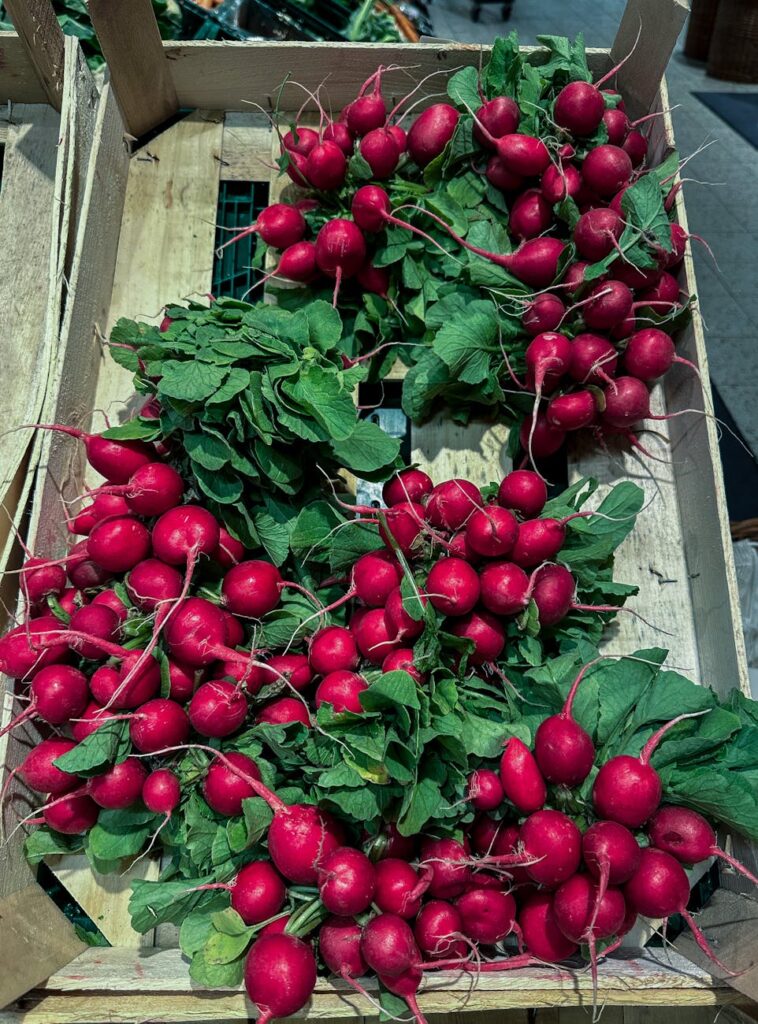
Radish Grading Explained
Introduction
Radishes are a staple in cuisines around the world, celebrated not only for their crisp texture and peppery flavor but also for their versatility in various dishes. Understanding the nuances of radish grading is essential for both consumers and culinary professionals alike. This article aims to provide a comprehensive overview of radish grading, exploring the factors that influence quality, the history of the ingredient, and the best practices for purchasing and storing radishes.
What Is Buying?
Buying, in the context of food ingredients, refers to the process of selecting and procuring products based on specific criteria such as quality, freshness, and price. For radishes, this involves evaluating grading systems that classify the quality of the produce, ensuring that consumers and chefs alike have access to the best possible product for their culinary needs. The buying process can vary depending on the market—whether it’s a farmers’ market, grocery store, or wholesale supplier.
History and Origins
Radishes belong to the Brassicaceae family, which also includes cabbage, broccoli, and kale. The history of radishes dates back to ancient civilizations, with evidence suggesting that they were cultivated in Egypt as early as 2,000 BCE. They were highly regarded by the Greeks and Romans, who valued them for both their flavor and their medicinal properties. Over time, radishes spread across Europe, Asia, and eventually to the Americas, where they adapted to local growing conditions.
The most common varieties of radishes include the red globe, black radish, and daikon, each with unique characteristics. The global cultivation of radishes has led to a diverse range of flavors and textures, making them a popular ingredient in salads, pickles, and side dishes.
Production and Processing
Radishes are typically grown in well-drained, fertile soil with plenty of sunlight. They thrive in cooler climates, making them particularly popular in spring and fall harvests. The growing cycle for radishes is relatively short—many varieties can be harvested within 30 days of planting. This rapid growth cycle requires careful management of water and nutrients to ensure optimal quality.
Once harvested, radishes are usually washed, sorted, and graded based on size, color, and overall quality. The processing stage is crucial, as it directly affects the freshness and shelf life of the radishes. Proper handling during this stage ensures that the produce retains its flavor and texture, which are essential for culinary applications.
Quality and Grading
Radish grading is a systematic method of evaluating radishes based on specific quality standards. These standards can vary by country and market but generally focus on several key attributes:
1. Size: Radishes are typically categorized by size, which can influence their price and application. Smaller radishes are often used in salads, while larger radishes may be used for roasting or pickling.
2. Color: A vibrant, uniform color is indicative of quality. For instance, red globe radishes should display a deep red hue, while white varieties should be pure white.
3. Texture: Fresh radishes should feel firm to the touch, with no soft spots or blemishes. The skin should be smooth, indicating that the radish is healthy and well-cared for.
4. Freshness: Freshness is often evaluated based on the presence of leaves. Radishes with fresh, green tops are generally considered of higher quality, as they indicate that the radish was recently harvested.
5. Taste: While taste is more subjective, high-quality radishes should exhibit a crisp texture and a balanced peppery flavor.
Grading systems may also include categories such as “US Fancy,” “US No. 1,” and “US No. 2,” which outline the quality levels and acceptable tolerances for imperfections.
Buying Considerations
When purchasing radishes, several factors should be taken into account to ensure that you select high-quality produce:
- Seasonality: Radishes are typically in season during the spring and fall, making these the best times to purchase fresh radishes. Off-season purchases may result in lower quality.
- Local vs. Imported: Whenever possible, consider buying locally-grown radishes, as they are likely to be fresher and have a lower environmental impact.
- Organic Certification: If sustainability and pesticide use are concerns, look for organic radishes. These are grown without synthetic fertilizers or pesticides, offering a more environmentally-friendly option.
- Visual Inspection: Always inspect radishes before purchasing. Look for firm, smooth-skinned radishes with vibrant color and no signs of decay.
- Supplier Reputation: Whether buying from a supermarket or a farmers’ market, consider the reputation of the supplier. Established vendors often provide higher-quality produce.
- Salads: Fresh radishes add a crisp texture and a peppery kick to salads, enhancing both flavor and visual appeal.
- Pickling: Many chefs enjoy pickling radishes to preserve their flavor and add a tangy element to dishes.
- Garnishes: Sliced radishes make an attractive garnish for soups and entrees, adding color and crunch.
- Stir-fries: Radishes can be sliced or diced and included in stir-fries, where they retain their texture and absorb surrounding flavors.
- Roasting: Some varieties, particularly larger radishes, can be roasted to mellow their flavor and enhance sweetness.
- Refrigeration: Store radishes in the vegetable crisper of your refrigerator, where they can remain fresh for up to two weeks.
- Moisture Control: It’s advisable to wrap radishes in a damp paper towel and place them in a perforated plastic bag to maintain moisture without promoting decay.
- Top Removal
Uses and Applications
Radishes are incredibly versatile and can be used in various culinary applications:
Storage and Shelf Life
Proper storage is crucial to prolonging the freshness and quality of radishes. Here are some best practices: