
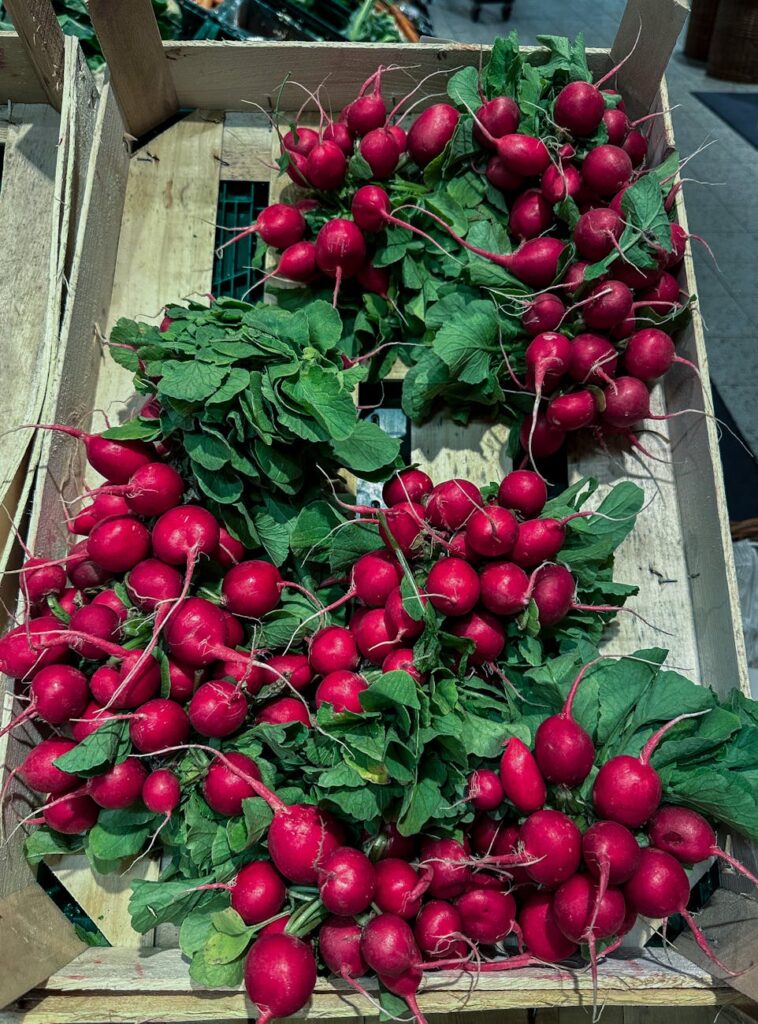
Radish Growing Guide Part 7
Introduction
In the world of culinary ingredients, radishes hold a unique position. Known for their peppery flavor and crisp texture, these versatile root vegetables are a staple in various cuisines around the globe. This guide delves into the intricate world of radish cultivation, offering insights into its history, production, quality grading, and much more. Understanding the nuances of growing radishes is essential for both home gardeners and commercial producers alike.
What Is Growing?
Growing, in the context of agriculture and horticulture, refers to the process of nurturing plants from seeds or seedlings until they reach maturity. This involves various stages, including germination, vegetative growth, flowering, and harvesting. For radishes, the growing process is relatively quick, typically taking between three to six weeks from sowing to harvest, depending on the variety.
Key factors influencing the growth of radishes include soil quality, water availability, temperature, and light. A comprehensive understanding of these elements can significantly enhance the quality and yield of radish crops.
History and Origins
Radishes (Raphanus sativus) have a rich history dating back thousands of years. Originating in Southeast Asia, they were cultivated by the ancient Egyptians, Greeks, and Romans. Historical texts suggest that radishes were first grown in Egypt around 2,000 BC. The Romans valued them so highly that they were often included in the diets of laborers, and they even carved them into decorative shapes.
As trade routes expanded, radishes spread throughout Europe and Asia, leading to the development of various cultivars. Today, radishes are cultivated in numerous varieties, each with distinct flavors, shapes, and colors, making them a popular choice for gardens, farms, and markets worldwide.
Production and Processing
Cultivation Techniques
Radishes thrive in well-drained, loamy soils with a pH of 6.0 to 7.0. They prefer cooler temperatures, ideally between 50°F to 65°F (10°C to 18°C). The seeds are usually sown directly into the soil, either in rows or broadcasted, depending on the intended use.
Farmers often choose to interplant radishes with slower-growing crops, such as carrots or lettuce, to maximize space and optimize the growing season. This method can also deter pests, as the pungent aroma of radishes may repel certain insects.
Harvesting
The timing of the harvest is crucial for radishes. They should be harvested when they reach the desired size—usually when they are about 1 to 2 inches in diameter. Over-mature radishes can become woody and less palatable. Harvesting is typically done by hand, gently pulling the roots from the soil to avoid damage.
Processing
After harvesting, radishes undergo a post-harvest handling process to ensure they retain their freshness and quality. This includes washing, trimming, and occasionally grading based on size and color. Depending on the market demand, radishes may be packaged for retail distribution or processed for pickling and other preservation methods.
Quality and Grading
Quality assessment in radishes focuses on several factors, including size, shape, color, and absence of defects. The grading process allows producers to categorize radishes into different classes, which can significantly influence market value.
Grading Standards
1. Size: Radishes are typically graded by diameter, with larger specimens often fetching higher prices.
2. Color: A vibrant, uniform color is essential for consumer appeal. Variations can indicate stress during growth or suboptimal harvesting conditions.
3. Shape: Radishes should be free from deformities. A consistent, rounded shape is desirable.
4. Defects: Any signs of damage, such as cuts, bruises, or rot, can lead to devaluation.
The United States Department of Agriculture (USDA) provides specific standards for grading radishes, which can help producers and retailers maintain quality and consumer trust.
Buying Considerations
When purchasing radishes, whether from a grocery store or a farmer’s market, several factors should be taken into account:
1. Freshness: Look for radishes that are firm to the touch, with no soft spots or blemishes. The greens should be vibrant and crisp, indicating freshness.
2. Color: Choose radishes with a bright, uniform color. Varieties such as the classic red globe, white icicle, and black radish each have distinct appearances.
3. Size: Depending on the intended use, smaller radishes may be preferable for salads, while larger ones may be better suited for roasting or cooking.
4. Sourcing: Consider buying from local farmers or organic sources, as these radishes often have superior flavor and freshness compared to mass-produced options.
Uses and Applications
Radishes are incredibly versatile and can be used in a variety of culinary applications. Their unique flavor and crunchy texture make them suitable for:
1. Salads: Fresh radishes add a peppery crunch to salads, enhancing both taste and visual appeal.
2. Pickling: Many varieties of radishes, especially those with a firm texture, are ideal for pickling, allowing for preserved enjoyment throughout the year.
3. Cooking: While often eaten raw, radishes can also be roasted or sautéed, which mellows their sharpness and brings out their natural sweetness.
4. Garnishes: Sliced or julienned radishes make excellent garnishes for dishes, adding a pop of color and flavor.
Storage and Shelf Life
Proper storage is essential for maintaining the quality and freshness of radishes. Here are some guidelines:
- Refrigeration: Radishes should be stored in the refrigerator to prolong their shelf life. Keep them in a perforated plastic bag or wrapped in a damp paper towel to