
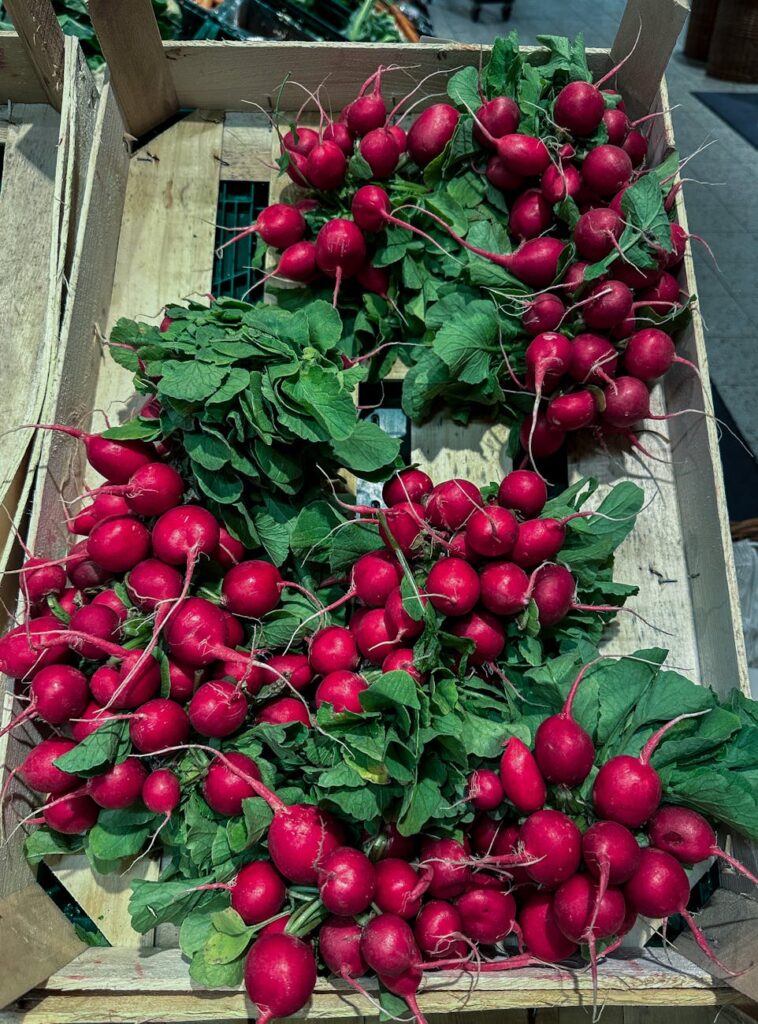
Radish in Traditional Cuisine
Introduction
Radishes, with their crisp texture and peppery flavor, have been a staple in various culinary traditions around the world for centuries. This versatile root vegetable is celebrated not only for its culinary potential but also for its cultural significance across different regions. As we delve into the world of radishes, we uncover their historical roots, production methods, quality considerations, and myriad uses in traditional cuisines.
What Is Uses?
In the context of food ingredients, “uses” refers to the various applications and roles that an ingredient can play in culinary practices. This encompasses how an ingredient is incorporated into dishes, its flavor profile contributions, and its cultural significance. For radishes, uses can range from being a fresh salad component to serving as a garnish, or even being pickled for preservation and flavor enhancement.
History and Origins
Radishes are believed to have originated in Southeast Asia and were cultivated by the Egyptians as early as 2000 BCE. Historical records suggest that radishes spread to Europe, where they became a popular crop among ancient Greeks and Romans. The Roman philosopher Pliny the Elder documented the cultivation and consumption of radishes, emphasizing their importance in the ancient diet.
In Asia, particularly in countries like China and Japan, radishes have long been an integral part of the agricultural landscape. The Chinese cultivated radishes around 500 BCE, and they feature prominently in various traditional dishes. Over the centuries, different varieties of radishes have emerged, adapted to the climates and tastes of specific regions, leading to the rich diversity of radish cultivars we see today.
Production and Processing
Radishes are cultivated in a wide range of climates, thriving in both temperate and tropical conditions. They are typically grown as an annual crop, and their rapid growth cycle allows for multiple harvests within a single growing season. Major producers include China, Japan, South Korea, and the United States, where radishes are often grown in home gardens and larger agricultural settings alike.
Processing techniques for radishes can vary based on regional preferences. In some cultures, radishes are consumed raw, while in others, they may be pickled, fermented, or cooked. Pickling is a common preservation method that enhances the radish’s flavor and extends its shelf life, making it a popular choice in many Asian cuisines.
Quality and Grading
When assessing the quality of radishes, several factors come into play. Freshness is paramount; high-quality radishes should have a firm texture, vibrant color, and a crisp bite. The absence of blemishes, soft spots, or discoloration is essential for determining quality. In commercial settings, radishes may be graded based on size, shape, and overall appearance, with larger, uniform specimens often commanding higher market prices.
Different varieties of radishes, such as the red globe, black radish, and daikon, each have unique characteristics that can influence their culinary uses. For instance, daikon radishes tend to be milder and are often used in Asian dishes, while smaller varieties may be more pungent, making them suitable for salads or garnishes.
Buying Considerations
When purchasing radishes, consumers should look for those that are firm, smooth, and brightly colored. The leaves should be fresh and vibrant if still attached, indicating that the radish is freshly harvested. Avoid radishes that appear wilted or have soft spots, as these can be indicators of age or spoilage.
In addition to freshness, consider the specific variety of radish based on intended culinary uses. For instance, if you’re looking to add a crunchy element to salads, red globe radishes may be ideal. Conversely, if you’re seeking a milder flavor for stews or stir-fries, daikon would be more suitable.
Uses and Applications
Radishes offer a multitude of culinary possibilities, making them a favored ingredient in traditional cuisines worldwide. Here are some notable uses:
Salads and Raw Preparations
One of the most common uses for radishes is in salads. Their crisp texture and peppery flavor add a burst of freshness, making them a popular addition to green salads, coleslaw, or as standalone salads with simple dressings. In many cultures, radishes are sliced thinly and served raw as part of a mezze platter or appetizer.
Pickling
Pickling is a traditional method of preserving radishes that enhances their flavor while extending their shelf life. In Asian cuisines, pickled radishes are often served alongside meals as a condiment or side dish. For example, Korean kimchi frequently incorporates radishes, providing a crunchy contrast to the spicy and fermented flavors of the dish.
Garnishes
Radishes are frequently used as garnishes due to their vibrant color and appealing shape. Thinly sliced radishes can adorn soups, tacos, and various entrees, adding visual interest and a hint of spice.
Cooking Applications
While many people enjoy radishes raw, they can also be cooked. Roasting or sautéing radishes mellows their sharpness, transforming them into a sweet and tender accompaniment to a variety of dishes. In some traditional cuisines, radishes are incorporated into stews or braises, where they absorb the flavors of the broth.
Cultural Significance
In many cultures, radishes hold symbolic meanings or are associated with specific festivals. For example, in Mexico, the Night of the Radishes (Noche de Rábanos) is a yearly event where intricate sculptures made from radishes are displayed, showcasing the vegetable’s cultural importance.
Storage and Shelf Life
Proper storage is crucial for maintaining the freshness of radishes. When stored in the refrigerator, radishes can last up to two weeks. It’s best to remove the leafy tops before storage, as they can draw moisture from the root, causing it to wilt faster. Place radishes in a perforated plastic bag or wrapped in a damp paper towel to retain moisture without trapping excess humidity