
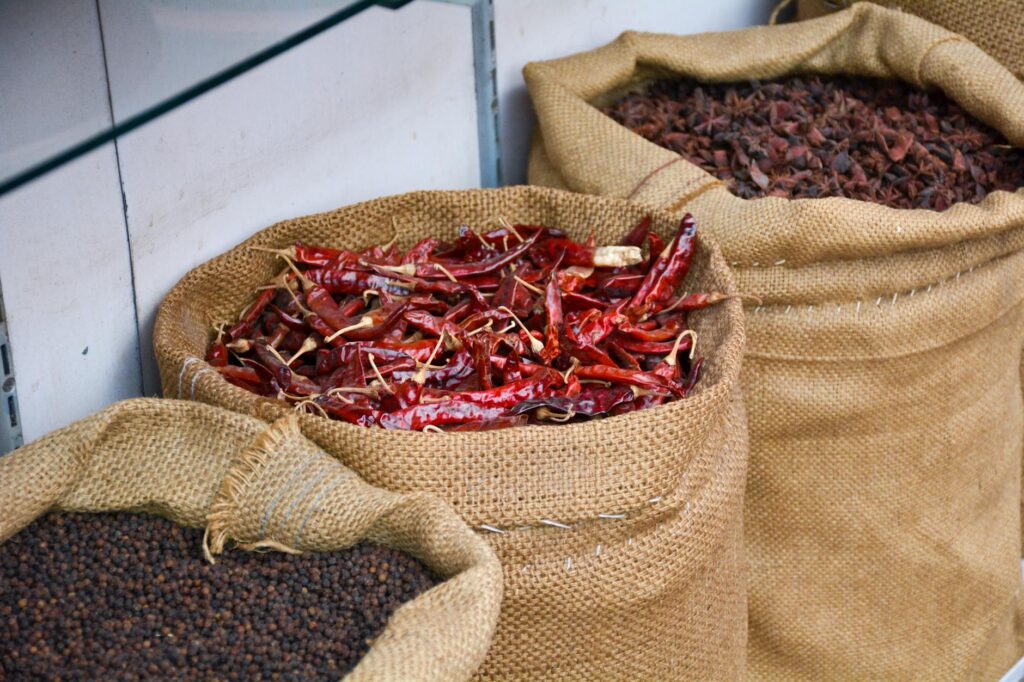
Real vs Fake Black Pepper: How to Tell
Introduction
Black pepper is often hailed as the “king of spices,” cherished for its pungent flavor and versatility in culinary applications. However, the global market for black pepper is fraught with challenges, including the presence of counterfeit or adulterated products. Given its status as a staple ingredient in kitchens around the world, understanding how to distinguish real black pepper from fake or inferior varieties is crucial for both consumers and culinary professionals. This article delves into various aspects of black pepper, covering its history, production, quality, and practical buying considerations.
What Is Buying?
In the context of food ingredients, “buying” refers to the process of selecting and procuring products that meet specific quality standards and expectations. For black pepper, this involves understanding not only the product itself but also the market dynamics, potential fraud, and quality indicators. Buyers must navigate through various options, making informed decisions based on taste, aroma, and authenticity. Each aspect of buying plays a pivotal role in ensuring that one receives genuine black pepper, which can significantly influence culinary outcomes.
History and Origins
Black pepper (Piper nigrum) has a rich history that dates back thousands of years. Native to the Malabar Coast of India, it was once so valuable that it was referred to as “black gold.” Ancient civilizations, including the Greeks and Romans, prized black pepper for its culinary and preservative qualities. The spice trade routes, especially during the Middle Ages, facilitated its introduction to Europe and beyond, leading to a thriving global market.
Over the centuries, black pepper has been associated not only with culinary applications but also with trade and exploration. The quest for the spice contributed to significant historical events, including the Age of Discovery, as European powers sought new sources of this highly sought-after ingredient. Today, black pepper is produced in various countries, including Vietnam, Indonesia, and Brazil, each contributing unique flavor profiles to the global spice market.
Production and Processing
The production of black pepper involves several stages, including cultivation, harvesting, and processing. The pepper vine requires a warm, humid climate and thrives in tropical regions. After about three to four years of growth, the pepper berries are harvested.
Harvesting
Harvesting typically occurs when the berries are still green and not fully ripe. This timing is crucial, as unripe berries provide the characteristic heat and flavor that black pepper is known for. The berries are hand-picked, often requiring skilled labor to ensure quality.
Processing
Once harvested, the berries undergo a rigorous processing method to transform them into black pepper. The most common processing technique is the fermentation and drying of the berries. The harvested berries are soaked in water for a few days, which initiates fermentation and loosens the outer skin. Afterward, they are dried in the sun or using mechanical dryers. This drying process causes the outer skin to darken and shrivel, resulting in the familiar black peppercorns.
Variations
Different processing techniques can lead to variations in flavor and aroma. For instance, white pepper, made from fully ripe berries that have had their outer skin removed, has a milder and more earthy flavor compared to black pepper. Understanding these distinctions is essential when purchasing black pepper, as they can significantly affect culinary applications.
Quality and Grading
Quality and grading are critical factors when buying black pepper. Various grading systems exist worldwide, often based on size, color, and flavor profile. The most common grading categories include:
- Tellicherry Black Pepper: Sourced from the Malabar Coast, this high-quality pepper is known for its robust flavor and aroma.
- Lampong Black Pepper: Originating from Indonesia, Lampong pepper is less pungent but has a distinct flavor.
- Malabar Black Pepper: A common variety, this pepper is characterized by its strong heat and complex flavor profile.
- Aroma: Fresh black pepper should have a strong, pungent aroma. If it lacks fragrance, it may indicate age or poor quality.
- Appearance: High-quality black peppercorns are typically uniform in size and color. Avoid those with excessive white or green spots, as these may indicate inferior quality.
- Taste: Authentic black pepper has a sharp, spicy flavor with a lingering heat. Inferior products may taste bland or overly bitter.
- Culinary Uses: It enhances the flavor of a wide range of dishes, from meats and vegetables to sauces and marinades. Its versatility makes it a must-have in both home and professional kitchens.
- Preservation: Historically, black pepper was used as a preservative, thanks to its antibacterial properties. While modern refrigeration has diminished this practice, it remains a consideration in food preparation.
- Flavor Pairing: Black pepper pairs well with a variety of ingredients, including salt, herbs, and spices. Its ability to enhance the overall flavor profile of a dish makes it a beloved ingredient among chefs.
- All Black Pepper Is the Same: In reality, different varieties and grades of black pepper exist, each with unique flavor profiles and culinary applications.
- Ground Black Pepper Is Always Fresh: Ground black pepper can lose its potency quickly. Whole peppercorns are generally fresher and more flavorful.
- Price Equals Quality: While higher prices often reflect better quality, it is essential to consider other factors such as sourcing and grading.
Indicators of Quality
When assessing the quality of black pepper, consider the following indicators:
Buying Considerations
When purchasing black pepper, several key considerations can help ensure that you select the best quality product:
Source
Identify reputable sources and suppliers who specialize in spices. Purchasing from well-known brands or directly from farmers can often guarantee better quality.
Form
Consider the form of black pepper you need: whole peppercorns, ground pepper, or crushed pepper. Whole peppercorns generally retain their flavor longer than ground varieties, making them a better choice for those who use pepper frequently.
Packaging
Examine the packaging for freshness. Ideally, black pepper should be stored in airtight containers to protect it from moisture and light. Look for packaging that includes harvest dates or expiration dates to ensure the product’s freshness.
Pricing
While price can be an indicator of quality, it is not the sole determinant. Extremely low prices may suggest adulteration or inferior quality. Balance cost with the quality indicators discussed earlier.
Uses and Applications
Black pepper is not only a culinary staple but also plays a role in various applications:
Storage and Shelf Life
Proper storage is crucial for maintaining the quality and flavor of black pepper. To extend its shelf life:
1. Store in a Cool, Dark Place: Exposure to light and heat can degrade the flavor of black pepper. A pantry or cupboard away from the stove is ideal.
2. Use Airtight Containers: Store whole peppercorns in airtight glass or ceramic containers to prevent moisture absorption.
3. Monitor Freshness: Whole peppercorns can last for several years if stored properly, while ground black pepper typically retains its flavor for about six months.
Regularly check for signs of loss of aroma or flavor, as these can indicate the need for replacement.
Common Misconceptions
While black pepper is a widely used spice, several misconceptions persist regarding its authenticity and quality:
Frequently Asked Questions
1. How can I tell if my black pepper is fresh?
Fresh black pepper should have a strong aroma and a sharp flavor. If it lacks these characteristics, it may be stale and should be replaced.
2. Is there a way to identify adulterated black pepper?
Adulterated black pepper may appear discolored or have an unusual texture. Additionally, a lack of aroma can be a red flag. Always purchase from reputable suppliers to reduce the risk of adulteration.
3. What is the difference between black, white, and green pepper?
Black pepper is harvested when the berries are unripe and dried with the outer skin intact. White pepper is made from fully ripe berries with the skin removed, resulting in a milder flavor. Green pepper is harvested unripe and preserved in brine or vinegar, offering a fresh, pungent taste.
4. Can I use black pepper in desserts?
Yes, black pepper can add a unique flavor to certain desserts, particularly those involving chocolate or fruit. Its spiciness can enhance sweetness and complexity.
5. How should I grind black pepper for the best flavor?
For the best flavor, use a pepper mill or mortar and pestle just before use. This ensures that the essential oils and flavors are released, providing a fresher taste than pre-ground pepper.
6. Does black pepper expire?
While black pepper does not “expire” in the traditional sense, it can lose its flavor and aroma over time. Whole peppercorns can last for years, while ground black pepper should be used within six months for optimal flavor.
Conclusion
Understanding the nuances of black pepper, from its origins to its quality indicators, is essential for making informed purchasing decisions. By being aware of potential pitfalls like adulteration and the importance of proper storage, consumers can ensure that they are enjoying the full spectrum of flavors that this remarkable spice has to offer. Whether you’re a home cook or a culinary professional, knowing how to identify real black pepper will enhance your culinary endeavors, ensuring that each dish reaches its full flavor potential.