
Real vs Fake Chestnut Puree: How to Tell
Introduction
Chestnut puree is a versatile ingredient celebrated for its rich, sweet flavor and smooth texture. Used in a variety of culinary applications—from desserts to savory dishes—this ingredient can elevate a dish’s profile. However, the market is rife with variations, and discerning between genuine chestnut puree and lower-quality alternatives can be challenging. This article serves as a comprehensive guide for consumers and culinary professionals alike, exploring the nuances of buying chestnut puree, from understanding its history to identifying quality.
What Is Buying?
Buying, in the context of food ingredients, refers to the process of selecting and purchasing products that meet specific criteria of quality, authenticity, and suitability for culinary applications. For chestnut puree, this involves understanding the source, production methods, and labeling information to ensure that you are investing in a product that fulfills your culinary needs without compromising on quality.
History and Origins
Chestnuts have been cultivated for thousands of years, primarily in Europe, Asia, and North America. The use of chestnut puree dates back to ancient times, as various cultures recognized the nut’s versatility. In Europe, particularly in France and Italy, chestnut puree became a staple ingredient in desserts like Mont Blanc and marron glacé. Over time, the popularity of chestnut puree spread globally, leading to diverse applications in both sweet and savory cuisines.
The chestnut tree, belonging to the Fagaceae family, bears edible nuts that are rich in carbohydrates, making them an essential food source. As culinary trends evolved, the demand for chestnut puree increased, prompting various producers to refine their methods of processing and packaging.
Production and Processing
The production of chestnut puree begins with the harvest of chestnuts, typically in late autumn. Once harvested, the chestnuts undergo a meticulous process:
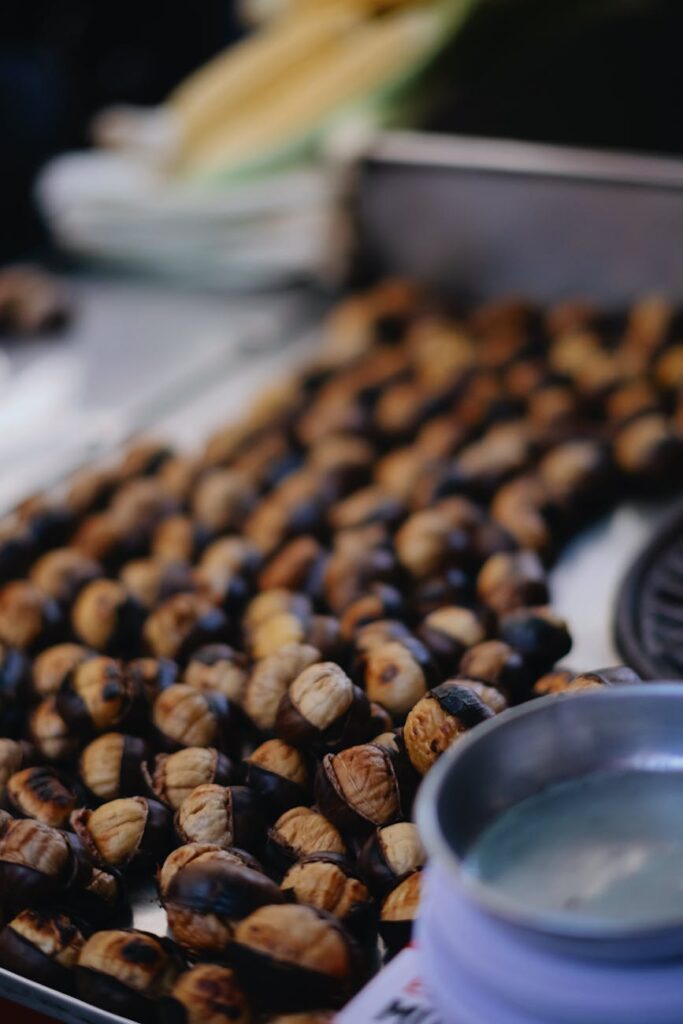
1. Roasting: Fresh chestnuts are usually roasted to enhance their flavor and soften their texture. Roasting also makes it easier to remove the tough outer shell.
2. Peeling: After roasting, the chestnuts are peeled, removing both the outer shell and the inner skin.
3. Cooking: The peeled chestnuts are then cooked further, often in water or steam, to achieve the desired softness.
4. Pureeing: The cooked chestnuts are blended into a smooth puree. This stage may involve adding sugar, vanilla, or other flavorings, depending on the intended use of the puree.
5. Packaging: Finally, the chestnut puree is packaged for sale. It can be found in jars, cans, or aseptic packaging, each with varying shelf lives and quality levels.
The quality of the chestnuts used, as well as the production methods, significantly influence the final product’s taste and texture.
Quality and Grading
When purchasing chestnut puree, understanding the grading system can help you make informed choices. Higher-quality purees are typically made from certain varieties of chestnuts, such as the Marron variety, known for their rich flavor and sweet profile. Here are some key indicators of quality:
- Ingredients: Authentic chestnut puree should primarily consist of chestnuts, with minimal additives. Look for products with natural ingredients and avoid those with excessive preservatives or artificial flavors.
- Texture: A high-quality chestnut puree should have a smooth, creamy texture. If it appears grainy or overly thick, it may indicate inferior processing.
- Color: Pure chestnut puree typically has a light brown to golden hue. Darker colors may suggest added sugars or other fillers.
- Flavor: The taste should be naturally sweet, with a slightly nutty undertone. If the puree tastes overly sweet or artificial, it may be of lower quality.
- Desserts: It is often used as a filling for pastries, cakes, and tarts. Its natural sweetness makes it an excellent base for mousses and soufflés.
- Savory Dishes: Chestnut puree can be employed in soups, sauces, and even as a side dish. Its nutty flavor pairs well with meats and vegetables.
- Baking: Incorporating chestnut puree into bread or muffin recipes adds moisture and a unique flavor profile.
- Vegan and Gluten-Free Options: Chestnut puree serves as an excellent substitute for dairy and gluten in many recipes, appealing to those with dietary restrictions.
Buying Considerations
When selecting chestnut puree, consider the following factors to ensure you choose the best product for your needs:
1. Source: Research brands that are known for their high-quality production methods. European brands, particularly those from France and Italy, are often recognized for their authentic chestnut purees.
2. Labeling: Pay attention to the label for information regarding the percentage of chestnuts versus other ingredients. Authentic products will have a higher percentage of chestnuts.
3. Storage Conditions: Check for storage instructions on the packaging. Properly stored chestnut puree will maintain its quality longer.
4. Price: Higher quality usually comes at a higher price. Be wary of significantly cheaper options, as they may contain fillers or lower-quality chestnuts.
5. Certification: Look for certifications such as organic or non-GMO, which can indicate higher production standards.
6. Customer Reviews: Reading reviews can provide insight into the taste, texture, and overall quality of a product.
Uses and Applications
Chestnut puree is highly versatile and can be used in various culinary applications:
Storage and Shelf Life
The shelf life of chestnut puree varies depending on its packaging and storage conditions. Generally, unopened commercial puree can last for several years if kept in a cool, dark place. Once opened, it should be refrigerated and consumed within a week or two. Some manufacturers may recommend freezing the puree for extended storage, which can further prolong its usability.
Always check the expiration date on